
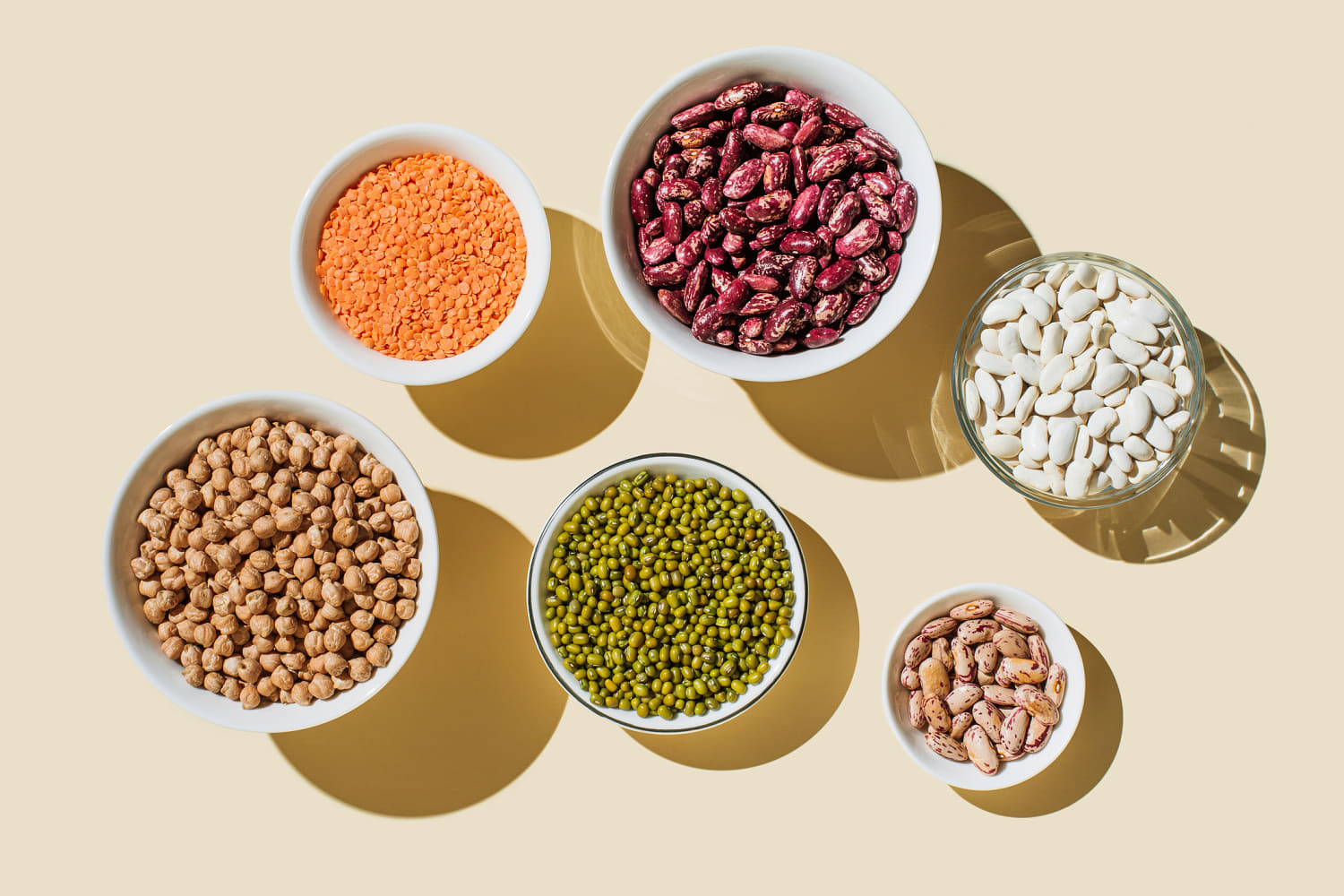
Beans are gaining recognition for their nutritional benefits, particularly in promoting gut and heart health. These affordable foods, classified as seeds from legumes, are staples in numerous global cuisines. According to Angel Planells, a registered dietitian and spokesperson for the Academy of Nutrition and Dietetics, beans provide a powerhouse of nutrients. They offer plant-based protein, dietary fiber, complex carbohydrates, vitamins, and minerals, all while being naturally low in fat.
The U.S. Department of Agriculture classifies beans as both vegetables and “protein foods,” emphasizing their versatility in meal planning. While the focus on protein has grown, the fiber content in beans is a standout feature that health experts are keen to highlight. As Natalie Rizzo, a dietitian and nutrition editor, explains, fiber is crucial for overall health, contributing significantly to digestive health and chronic disease prevention.
Understanding the Role of Fiber
Beans are rich sources of both soluble and insoluble fiber, types that most Americans do not consume in sufficient quantities. Soluble fiber dissolves in water, forming a gel-like substance that slows digestion, while insoluble fiber adds bulk to stool, aiding in regular bowel movements. Planells notes that the combination of these fibers can assist in lowering LDL cholesterol levels and improving blood sugar control, which is vital for heart health and diabetes management.
Rizzo points out that adults should aim for between 25 to 38 grams of dietary fiber per day, yet approximately 95% of Americans fall short of this recommendation. Insufficient fiber intake can lead to issues such as constipation and elevated cholesterol levels. To incorporate more fiber into the diet, Rizzo suggests gradually increasing intake by five grams per week to avoid digestive discomfort.
Top Fiber-Packed Beans
While many beans offer at least five grams of fiber per serving, some varieties stand out for their higher fiber content. Here are seven beans that are particularly beneficial:
Navy Beans
Despite their small size, navy beans are packed with fiber, with about 9.5 grams per half-cup serving for just 127 calories. They are an excellent source of potassium, which supports fluid balance and muscle function. Their mild flavor makes them suitable for soups and dips.
Red Kidney Beans
Red kidney beans deliver 8 grams of fiber per serving and are rich in antioxidants that promote heart health. The high insoluble fiber content supports digestive regularity. They are versatile and can be added to chili and curries or served over rice.
Black Beans
A half-cup of black beans contains 8 grams of fiber for 114 calories. They are beneficial for weight management due to their ability to promote satiety. Black beans also provide magnesium, which supports various bodily functions, including muscle and heart health.
Adzuki Beans
These small red beans are popular in East Asian cuisine and provide 8 grams of fiber per half-cup, contributing to heart health through their soluble fiber. They are also rich in iron and calcium, making them a nutritious choice in curries or as a sweet filling in desserts.
Pinto Beans
Common in Mexican dishes, pinto beans offer 7 grams of fiber per half-cup. They are particularly high in B vitamins, which are essential for energy production. Pinto beans can be enjoyed in burritos, tacos, and soups.
Garbanzos (Chickpeas)
Providing 6 grams of fiber for 135 calories, chickpeas are nutrient-dense and a consistent favorite in Mediterranean diets. They are versatile, suitable for salads, hummus, or as a protein-rich addition to plant-based dishes.
Black-Eyed Peas
These legumes contain 5.5 grams of fiber per half-cup and are high in folate, which supports healthy cell growth. Black-eyed peas can be enjoyed alone or in soups and paired with rice for a balanced meal.
Planells emphasizes that nearly all beans provide significant fiber and encourage a varied intake to benefit from a broader range of nutrients.
Addressing Digestive Concerns
Though beans are beneficial, some individuals may experience gas due to oligosaccharides, a type of carbohydrate present in beans. Planells notes that those who regularly consume beans may adapt over time, but for newcomers to high-fiber diets, gradual incorporation is crucial. Increasing fiber too quickly can lead to discomfort; thus, experts recommend drinking adequate water and choosing dried beans whenever possible.
In summary, beans are not only affordable and versatile but also a powerhouse of dietary fiber and essential nutrients. Incorporating a variety of beans into daily meals can significantly enhance overall health, particularly for gut and heart wellness.