
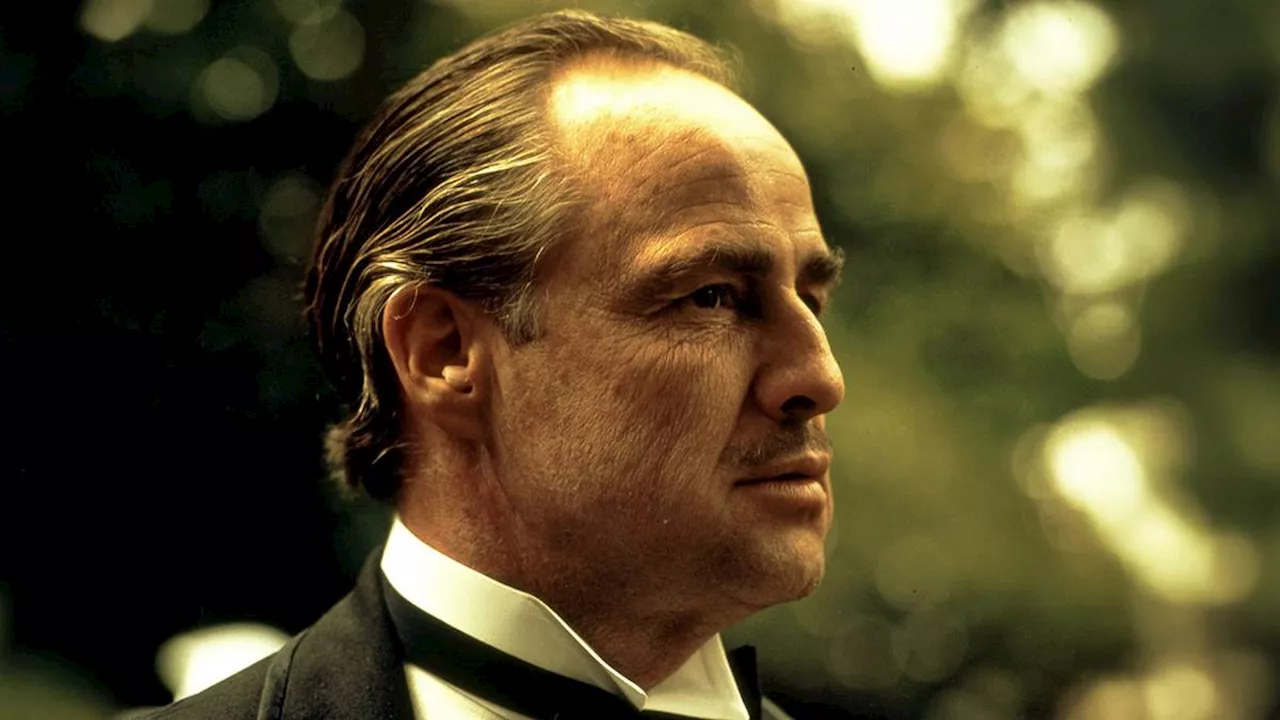
Dramatic films have a unique ability to linger in the minds of viewers long after the credits roll. They delve into the complexities of human emotion and the weight of consequential choices, often leaving audiences reflecting deeply on the narratives presented. Here, we explore ten unforgettable drama films that encapsulate these qualities, highlighting their impactful storytelling and the emotions they evoke.
The Green Mile
In The Green Mile, directed by Frank Darabont, the story unfolds within the confines of a death row prison. Paul Edgecomb, played by Tom Hanks, runs the unit with a steady hand, but everything changes when John Coffey, portrayed by Michael Clarke Duncan, arrives. The film captures the haunting nature of mercy and the ordinary cruelty of the system. Viewers are drawn into the emotional weight of each execution scene, feeling the tension and anticipation that permeate the narrative. The Green Mile serves as a poignant reminder of the complexity of justice and humanity.
Blue Valentine
Blue Valentine, directed by Derek Cianfrance, offers an intense look at the fragility of love. The film oscillates between the exhilarating beginnings of Dean Pereira and Cindy Heller’s relationship and the painful unraveling of their marriage. This raw portrayal of love and loss feels almost invasive, as it captures moments that feel too private to share. The film’s honest depiction of the characters’ struggles resonates deeply, leaving viewers to ponder the weight of connection and separation.
Brokeback Mountain
Brokeback Mountain presents a heartrending exploration of forbidden love over a span of decades. Directed by Ang Lee, the film tells the story of Ennis Del Mar and Jack Twist, whose relationship is marked by unspoken words and missed opportunities. The landscape serves as both a symbol of freedom and a reminder of societal constraints. The film’s enduring impact stems not just from its tragic ending but from the heartbreak built throughout the narrative as the characters repeatedly choose survival over happiness.
Moonlight
Moonlight is a coming-of-age film that follows Chiron through three pivotal stages of his life. Directed by Barry Jenkins, it highlights the struggles of identity and self-acceptance. With powerful performances by Alex R. Hibbert, Ashton Sanders, and Trevante Rhodes as Chiron, the film captures the essence of growing up in an environment rife with challenges. The diner scene between Chiron and Kevin, played by Janelle Monáe, serves as a culmination of years of silence and adds emotional depth that resonates long after viewing.
There Will Be Blood
Paul Thomas Anderson’s There Will Be Blood explores the destructive nature of ambition through the character of Daniel Plainview, played by Daniel Day-Lewis. The film’s narrative delves into obsession, revealing the loneliness that accompanies relentless pursuit. As Plainview’s rivalry with Eli Sunday unfolds, viewers witness a stark portrayal of power dynamics and moral decay. The film’s unsettling exploration of success raises critical questions about the costs of ambition, culminating in a chilling conclusion that lingers in the mind.
Schindler’s List
Steven Spielberg’s Schindler’s List is an unflinching depiction of the Holocaust, chronicling the true story of Oskar Schindler, a man who shifts from pursuing profit to saving lives. The film’s stark black-and-white imagery enhances its emotional gravity, portraying the horror of the era while highlighting individual acts of courage. With Itzhak Stern’s character serving as Schindler’s moral compass, the film becomes a sobering testament to human resilience amid unimaginable suffering.
Fight Club
Fight Club, directed by David Fincher, initially presents itself as a rebellious tale but evolves into a critique of modern consumerism and masculinity. The Narrator, played by Edward Norton, finds liberation through his relationship with Tyler Durden, portrayed by Brad Pitt. As the narrative unfolds, the film reveals deeper themes of identity and disillusionment, challenging the audience to reflect on the constructs of freedom and societal expectations.
The Godfather Part II
Often hailed as one of the greatest sequels in cinematic history, The Godfather Part II deepens the narrative established in the first film. Directed by Francis Ford Coppola, it intertwines Michael Corleone’s consolidation of power with a flashback of Vito Corleone’s rise. This dual narrative enhances the film’s emotional weight, illustrating the costs of ambition and the erosion of personal connections. The film’s portrayal of betrayal and familial duty resonates profoundly, making it a compelling examination of power and its consequences.
The Shawshank Redemption
The Shawshank Redemption, also directed by Frank Darabont, follows Andy Dufresne, a man wrongfully imprisoned who uses hope as his means of survival. Narrated by Red Redding, played by Morgan Freeman, the film captures the essence of resilience and the transformative power of friendship. The prison setting serves as a microcosm of society, illustrating themes of despair and hope. This film has earned its place as a cinematic classic, resonating with audiences for its profound messages about endurance and redemption.
The Godfather
Finally, The Godfather, directed by Francis Ford Coppola, remains an iconic representation of crime and family dynamics. The film introduces Vito Corleone, portrayed by Marlon Brando, as a figure whose warmth is intertwined with menace. As Michael Corleone, played by Al Pacino, navigates the complexities of family loyalty and power, viewers witness the tragic transformation of a man who sacrifices his morality for control. The film’s portrayal of familial bonds and the dark allure of power has solidified its reputation as a masterpiece.
These ten films exemplify the power of drama to evoke strong emotions and provoke thoughtful reflection. Each story, through its unique lens, captures the complexities of human experience, making them essential viewing for anyone seeking profound cinematic narratives.