
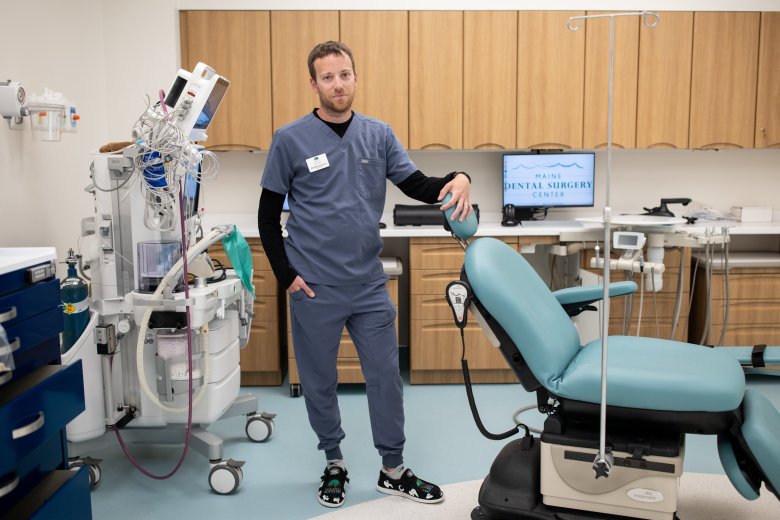
Legislators in Maine are considering a proposed bill aimed at significantly reducing wait times for pediatric dental procedures. During a public hearing on March 15, 2024, Yarmouth dentist Michael Dowling shared a troubling case that highlights the urgent need for reform. A 5-year-old patient under his care waited nearly nine months for an appointment, despite requiring extensive dental work, including four fillings, four extractions, and eight crowns.
The bill, known as L.D. 2123, is sponsored by Ryan Fecteau, the Democratic House Speaker. It seeks to address long-standing issues related to access to dental care for children, particularly those on MaineCare, the state’s Medicaid program. Dowling stated that the current low reimbursement rates for general anesthesia hinder the ability of dentists to provide timely care. He explained that under the existing system, dentists can incur losses of $300 to $400 for every hour spent administering general anesthesia.
“Every additional case increases our losses,” Dowling noted, emphasizing that while his newly opened surgery center primarily serves pediatric MaineCare patients, the financial model is unsustainable. He clarified that the goal is not to profit from these services but merely to break even.
Impact on Pediatric Dental Care
The executive director of the Maine Dental Association, Therese Cahill, echoed Dowling’s concerns during the hearing. She stated that if the bill passes, it would alleviate bottlenecks in pediatric dental care, allowing more children to receive necessary treatments. Although it is unclear how many children would benefit directly, Cahill emphasized that thousands require general anesthesia for dental work.
According to the fiscal note attached to the bill, increasing the reimbursement rate would cost approximately $130,000 annually, funded through taxpayer dollars. This financial aspect has raised concerns among some legislators, who are weighing the potential benefits against the fiscal implications.
Administrative Concerns and Next Steps
While no representatives from the Maine Department of Health and Human Services testified during the hearing, a letter from Michelle Probert, the director of the Office of MaineCare Services, was submitted. Probert’s letter pointed out several technical issues with the bill’s language and suggested waiting for the department’s upcoming MaineCare rate review process, which is scheduled for later this year. “The department shares the interest of ensuring access to dental services,” Probert stated.
The committee did not vote on the bill during the hearing, as votes are typically reserved for follow-up workshop meetings. The ongoing discussions surrounding L.D. 2123 highlight a critical intersection of healthcare access and financial sustainability in dental care for Maine’s children. As lawmakers continue to deliberate, the outcome of this proposed legislation could have significant implications for pediatric dental services across the state.