
UPDATE: Democrats are strategically harnessing the term “affordability” as they gear up for the crucial midterm elections. Representative Mikie Sherrill of New Jersey highlighted this shift on President Trump’s first day back in office, criticizing his executive orders for ignoring the ongoing affordability crisis.
As November’s elections approach, “affordability” has surged in political discourse, becoming a rallying cry for Democrats who are eager to address soaring living costs. Surveys show that American voters now rank economic issues as their top concern, with many feeling financially strained.
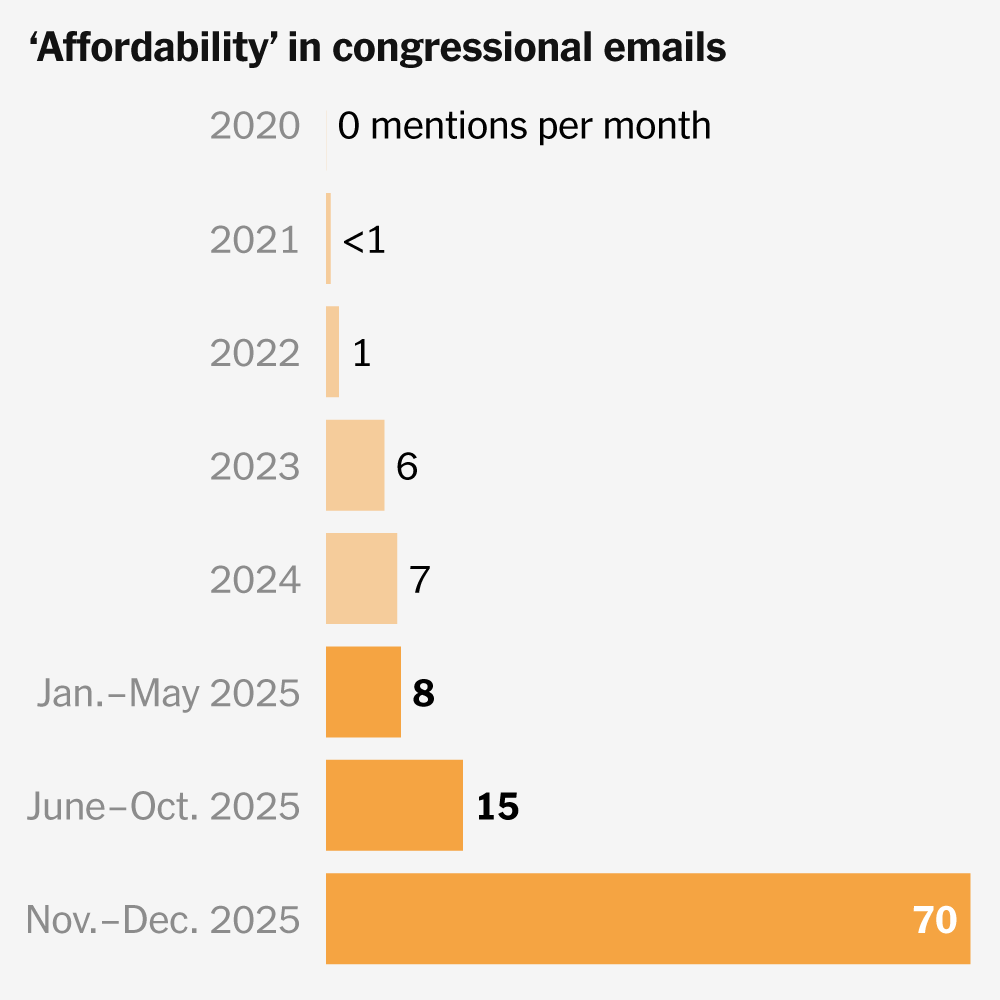
The Democratic Party’s focus on affordability has proven effective. Following their recent victories, references to “affordability” in congressional communication have skyrocketed, signaling a strategic pivot. The term captures the pressing issues of housing, child care, groceries, and healthcare costs—vital topics for many voters.
This growing emphasis on affordability is not just a trend; it is a calculated response to voters’ anxieties. Reports indicate that economic concerns are weighing heavily on the minds of Americans, with fears of falling behind becoming increasingly prevalent. In fact, numerous surveys conducted in recent weeks reveal that affordability is now at the forefront of public discourse as candidates prepare for the midterm elections next year.
In a bold move, Democrats are framing affordability as a key element of their messaging strategy, echoing sentiments expressed by Trump during his 2024 campaign when he promised to “make America affordable again.” However, this time, the Democrats are seizing the narrative, making affordability a central theme leading into the election season.
The urgency of this issue cannot be overstated. With the cost of essential expenses continuing to rise, both parties recognize the need to address affordability head-on. As the political landscape evolves, expect to see increased discussions and proposals aimed at tackling these economic challenges.
With just months until the midterms, candidates across the country are likely to adopt this framing in their platforms. For voters, the implications are clear: the focus on affordability may significantly influence their decisions at the polls.
Stay tuned for more updates as both parties refine their strategies in the lead-up to the elections. This developing story highlights the importance of affordability in shaping the future political landscape in America.