
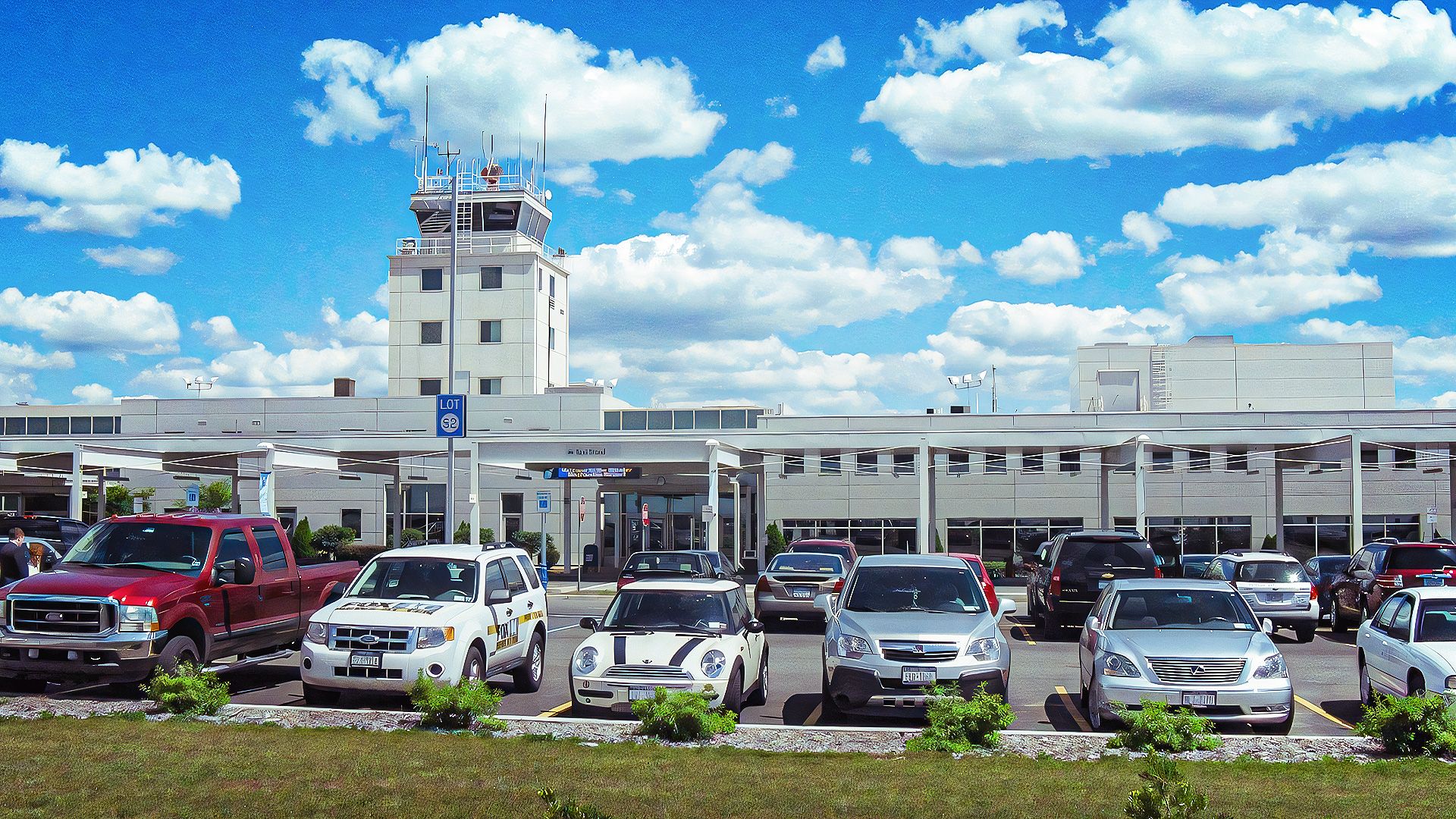
The future of Greater Binghamton Airport (BGM) was secured when Delta Air Lines reversed its decision to cease all commercial flights from the facility. Initially announced to take effect on February 14, 2026, Delta’s withdrawal would have left the airport without any scheduled passenger service, as it was the last remaining commercial operator following the departures of United Airlines in 2016 and American Airlines in 2017.
In a statement reflecting on the decision, BGM’s Commissioner of Aviation, Mark Heefner, emphasized the challenges local airports face in maintaining air service. He noted, “Air service decisions involve many factors that are outside the control of local airports and communities. We are in active discussions with Delta and are working closely with our state, local, and federal partners to re-establish passenger service as soon as possible.”
Delta had previously operated two flights daily from Binghamton to Detroit, a vital link for the community. The abrupt announcement of the potential service cut raised concerns about connectivity for residents and businesses in the region, which has a population of under 50,000.
Efforts to Attract New Airlines
The impending loss of Delta was met with a proactive approach from BGM. The airport sought to attract other airlines by leveraging federal funds available for operations at rural airports. Heefner expressed optimism about future prospects, suggesting that the potential for airlines to become the sole operator could encourage new entrants. “I think there is an opportunity,” he stated. “In a year or so, I think there’s going to be better service overall.”
BGM has invested significantly in enhancing its appeal to airlines, including acquiring a fixed-base operator in 2024 to provide fueling and ground handling services. A $54 million renovation, supported by a $6 million taxpayer grant, further aimed to modernize the facility.
The potential loss of Delta was not just a commercial blow; it posed concerns for employment at the airport. Employees, including those from the Transportation Security Administration (TSA) and rental car companies, faced uncertainty regarding their future.
Regulatory Changes and Passenger Protections
In the backdrop of Delta’s decision, significant regulatory shifts were underway. In November 2025, the Department of Transportation rescinded rules requiring airlines to automatically compensate passengers for delays and cancellations. This rule had mandated payments ranging from $200 to $775 based on the delay length, along with coverage for meals and accommodations when airlines were at fault.
The removal of these consumer protections raised concerns about the future of air travel, particularly for rural airports. Airlines for America, a lobbying group for major U.S. carriers, supported the deregulation, arguing that the previous rules were burdensome and unnecessary.
Despite Delta’s plan to maintain service at BGM, the broader trend towards deregulation and the potential abandonment of rural routes have left many communities vulnerable. The shift towards a more centralized airline network puts added pressure on regional airports, exacerbating existing challenges.
Political Pressure and Regional Connectivity
The ultimate reversal of Delta’s withdrawal followed sustained lobbying from New York politicians and local stakeholders. The decision to retain service at BGM prevented the airport from losing its final scheduled passenger flight, thereby preserving critical connectivity for the community.
The ramifications of Delta’s initial decision underscored the fragility of air service for smaller U.S. communities. Losing the last commercial flight would have significantly hampered Binghamton’s accessibility, making it increasingly difficult to attract replacement carriers. Airlines typically hesitate to enter markets where demand has fallen due to a lack of service.
The experience of BGM reflects a larger trend affecting many regional airports across the United States. As airlines focus resources on more lucrative routes, smaller communities may face long drives to access larger airports, further complicating travel options.
Challenges for Low-Cost Carriers
The landscape of regional air travel has also been impacted by the rise of low-cost carriers. Avelo Airlines, for instance, attempted to establish routes from BGM to Fort Myers and Orlando in August 2022. Despite initial enthusiasm and competitive fares starting at $79, the airline eventually exited the market in 2024 due to profitability challenges.
The shifting dynamics of the airline industry, combined with operational pressures such as pilot shortages and rising costs, create a complex environment for both legacy and low-cost carriers.
As BGM navigates its immediate future after Delta’s reversal, the airport’s ability to sustain operations and attract new airlines will be vital. The recent developments serve as a reminder of the ongoing challenges facing regional air travel and the necessity for strategic planning to ensure continued connectivity for smaller communities like Binghamton.