
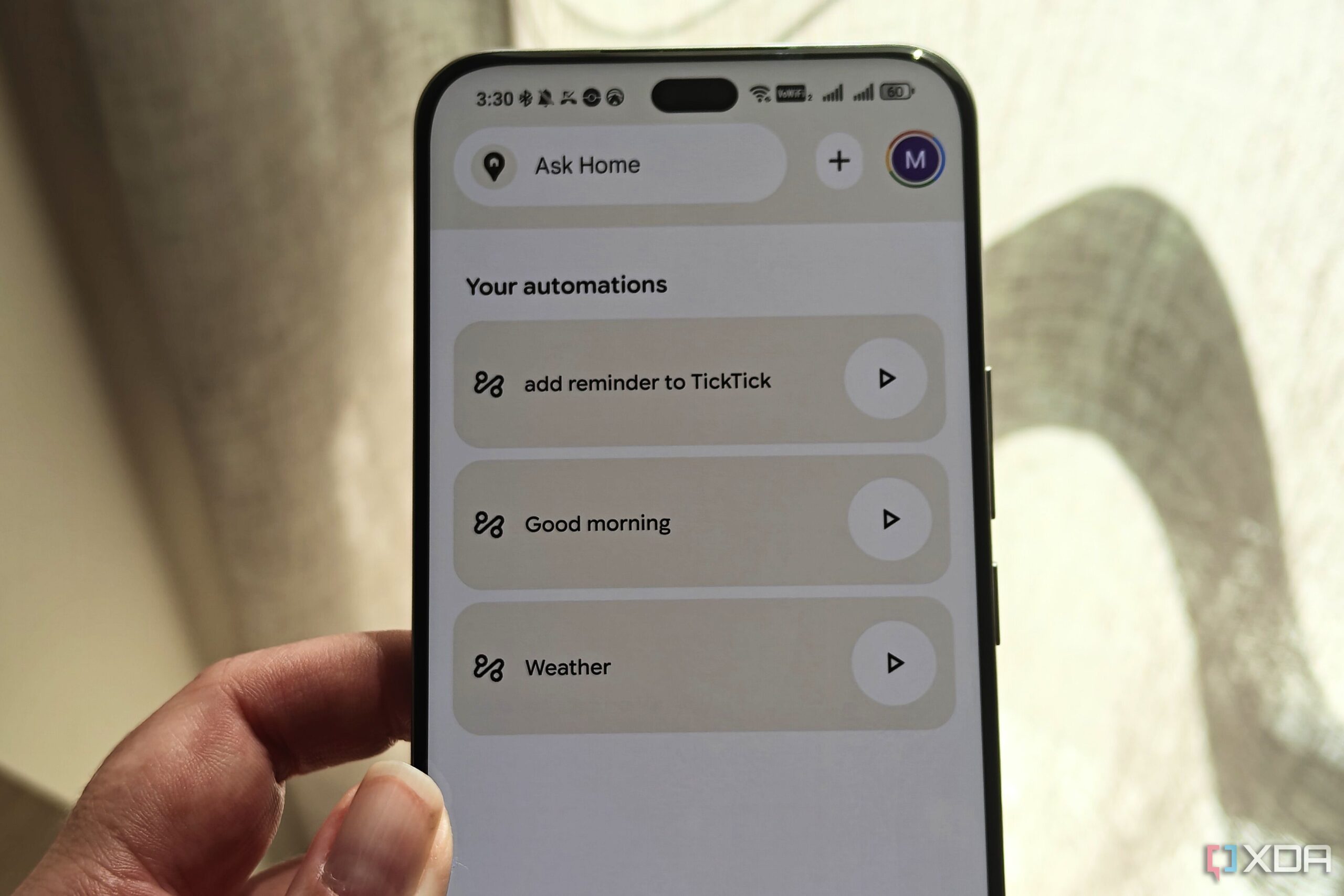
URGENT UPDATE: As smart home technology evolves, experts warn that many devices are becoming overly complicated and less effective. A recent analysis highlights the urgent need to delete unnecessary smart home apps and simplify our home automation systems to regain true functionality.
Just announced: Home automation should enhance convenience, not create a digital chore list. With the rise of smart bathtubs and complex control systems, many users find themselves overwhelmed by notifications and app-driven tasks that detract from everyday living. This trend raises questions about whether our homes are genuinely “smart” or just burdened with extra steps.
Reports indicate that reliance on cloud-based systems has made many smart devices fragile and prone to obsolescence. If your device requires an app to operate daily, experts argue it is time to reassess its value. A simple wall switch, for example, has zero latency and 100% uptime, making it a smarter choice than a complicated app-controlled device.
Experts stress: The introduction of Matter 1.5 and Thread technology sets a new standard for compatibility among smart home devices. If a product does not work natively with platforms like Apple Home, Google Home, or Home Assistant, it may be time to reconsider your purchase. The key to an effective smart home is local control; if you need to use an app for daily functions, you might be complicating your life unnecessarily.
As technology continues to advance, automation should be seamless. For instance, an app that allows you to tilt your smart blinds by 1% is an example of over-engineering, while a light sensor that automatically closes the blinds when sunlight hits your screen is true automation. The latter requires no input and simply works.
Moreover, the “guest test” is a practical way to gauge the efficiency of your smart home. If a guest requires a lengthy tutorial to operate basic functions, then your system is likely over-engineered. Experts recommend that smart tech should complement traditional interfaces rather than replace them entirely.
To move towards a truly automated home, experts advise the following steps:
1. **Audit your smart home apps:** If you haven’t opened an app in 30 days, consider deleting it.
2. **Replace app triggers with physical solutions:** Use devices like Zigbee buttons for direct control without needing to pull out your phone.
3. **Utilize local coordinators:** Incorporate systems like Home Assistant or Hubitat that function without internet access, ensuring your smart home remains operational even during outages.
Experts emphasize that your home should work for you, not the other way around. Many homeowners have unintentionally turned their living spaces into test laboratories for various tech startups, complicating what should be simple tasks.
While privacy is often cited as the primary concern, prioritizing local control also ensures longevity for your devices. Those built to operate offline, free from constant updates and cloud dependency, will still function in the long term—potentially until 2036 and beyond.
In summary, it’s time to eliminate the clutter of unnecessary apps and return to a simpler, more effective approach to smart home technology. Experts urge homeowners to embrace local controls, streamline automation, and focus on what truly enhances their living experience.
Don’t let your smart home turn into an over-engineered system. Delete the app, simplify your automation, and reclaim your time!