
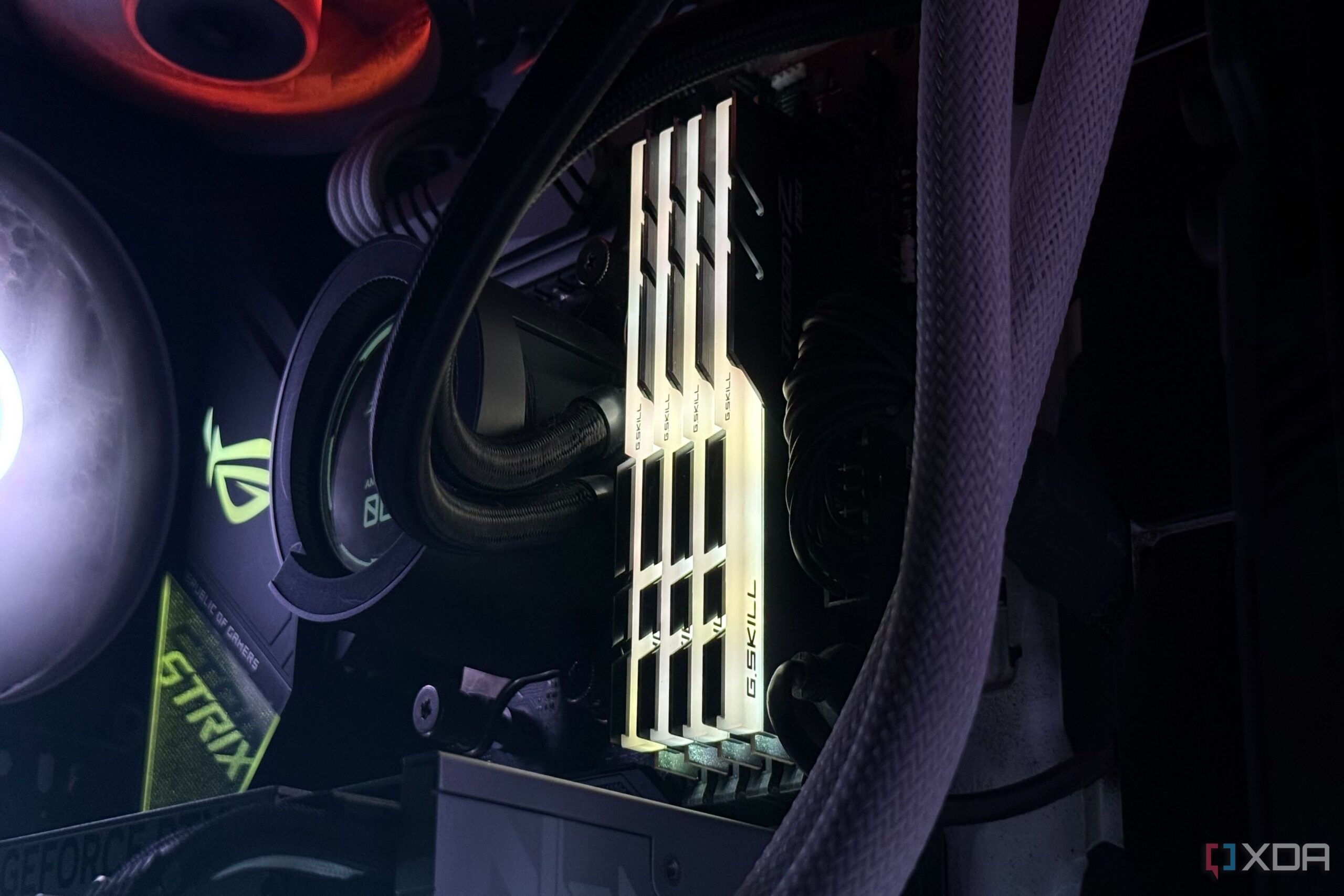
UPDATE: In a surprising twist, DDR4 RAM is experiencing a significant resurgence, just as many expected it to fade into obsolescence. Recent reports indicate a remarkable uptick in AM4 CPU sales, including older Zen 2 chips, now among the top 10 bestsellers in the U.S. market. This trend is driven largely by skyrocketing DDR5 prices, compelling consumers to stick with the tried-and-true DDR4 standard.
According to a report from Wccftech, Mindfactory, a major German hardware retailer, has recorded a staggering 34% market share for AM4 CPUs, showcasing DDR4’s resilience in European markets. The rising costs associated with DDR5 have forced many consumers to reevaluate their upgrade paths, leading them back to DDR4 for cost-effectiveness.
As the new year unfolds, whispers of a revival are echoing in the tech community. Leaks from ASUS, detailed by Videocardz, suggest the company may ramp up production of select AM4 and LGA1700 motherboards with DDR4 support by early January 2026. If confirmed, this strategic pivot represents a rare shift in consumer behavior, with market demand dictating a return to older technology.
The longevity of DDR4 can be attributed to its maturity and versatility. Established platforms like AM4 and LGA1700 have been optimized through years of BIOS refinement and stable memory controllers, ensuring they meet a wide array of user needs—from budget builds to high-performance gaming machines. This adaptability continues to resonate with consumers who find the jump to DDR5 unjustifiable, especially given the rising prices that rival complete gaming consoles.
Moreover, the secondary market for DDR4 remains robust. With its dominant presence over the last decade, DDR4 is widely utilized across various sectors, including consumer electronics and enterprise systems. Many first-time builders and budget-conscious enthusiasts are choosing DDR4 platforms as the costs of DDR5 and necessary upgrades escalate.
The implications are profound. As data centers continue utilizing early Intel Xeon and EPYC systems reliant on DDR4, maintaining these infrastructures makes more sense financially than embarking on costly replacements. The current market dynamics not only favor DDR4 but also hint at potential future challenges, including artificial scarcity and inflation in DDR4 memory kits as demand persists.
For now, DDR4 RAM is proving its staying power in a landscape dominated by new technologies. The ongoing preference for this established standard indicates a significant shift in consumer priorities, where value and compatibility outweigh the allure of the latest advancements. As we move further into 2026, it is clear that DDR4 is more than just a relic; it is a vital player in the current tech ecosystem, poised to remain relevant for years to come.
The situation continues to evolve, and tech enthusiasts should keep a close eye on developments as manufacturers respond to this unexpected demand surge.