
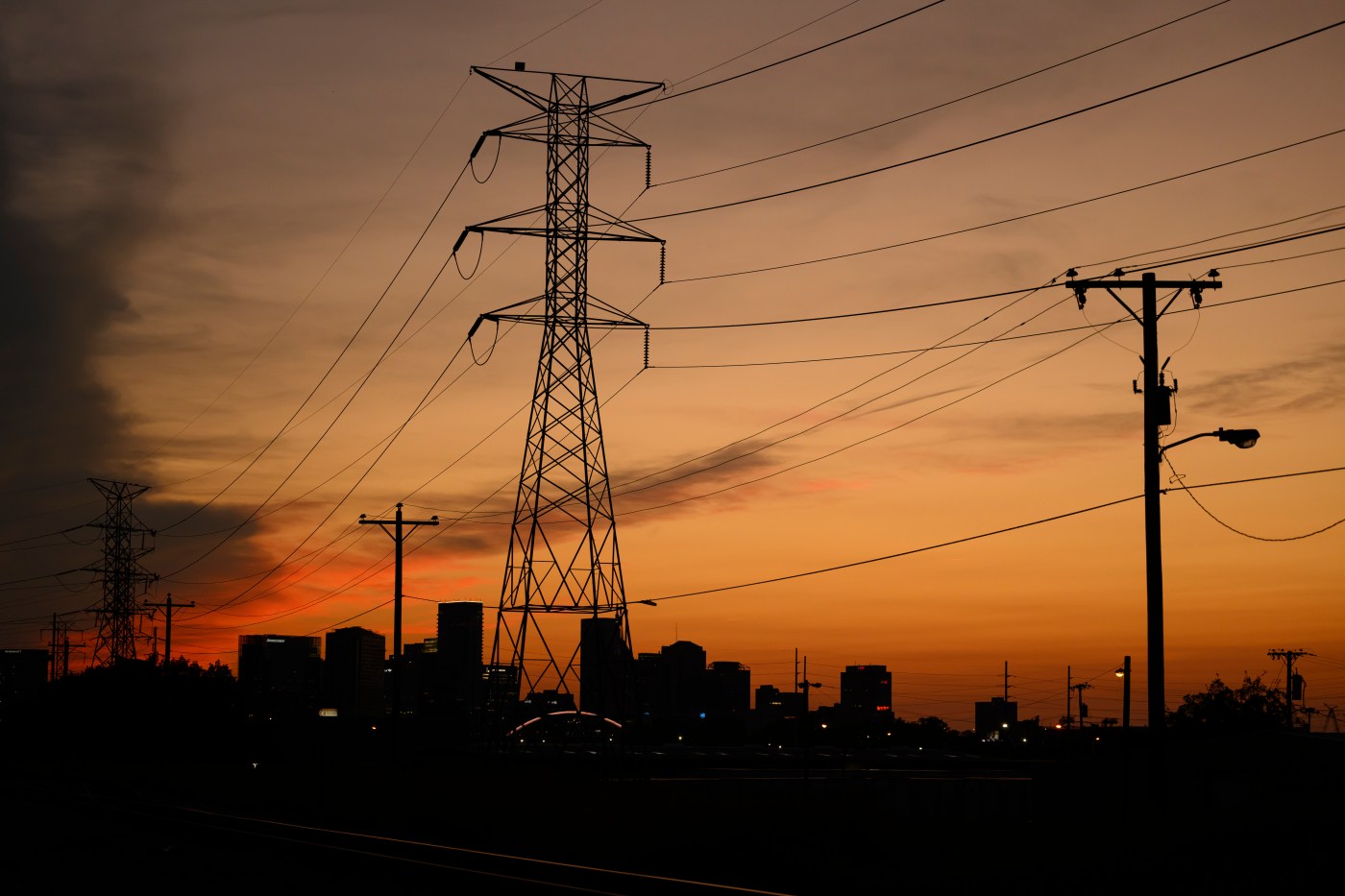
Electricity prices in the United States are reaching unprecedented levels, creating a significant impact on household budgets. The National Energy Assistance Directors Association (NEADA) estimates that the average household will spend approximately $995 on home heating this winter, marking an increase of $84 compared to the previous year. Additionally, NEADA reports that residential electricity prices in 2025 are projected to be at their highest in a decade, with average monthly bills rising by about 10% since January.
Several factors contribute to this escalation in electricity costs. While data centers are currently a focal point in discussions about energy consumption, NEADA attributes rising electricity prices to a combination of high interest rates, increased reliance on natural gas for power generation, growing demand from data centers, aging infrastructure, and regional capacity shortfalls.
In response to these challenges, President Donald Trump has proposed a plan aimed at building new “reliable baseload” power in the Mid-Atlantic region. The Trump administration’s strategy involves expanding power generation capabilities, particularly through coal, natural gas, and nuclear energy, which are supported by the PJM Interconnection, the regional transmission organization.
According to a fact sheet from the Department of Energy (DOE), the administration intends to expedite the construction of new reliable baseload facilities. The National Energy Dominance Council has reportedly reached an agreement with governors in the Mid-Atlantic to pursue more than $15 billion in new reliable generation capacity.
A critical question arises regarding who will bear the financial burden of this expansion. The administration contends that consumers should not be responsible for the costs associated with accommodating large new demand drivers such as data centers. Instead, the DOE argues that PJM should mandate that data centers contribute to the expenses incurred for new generation built to meet their needs, regardless of their actual electricity consumption.
To formalize this approach, a bill was introduced in the Senate last week. This legislation seeks to require technology companies to pay their fair share of the costs they generate. The bill would also direct states to consider establishing a new rate class specifically for data centers, ensuring that they are assigned costs appropriately in comparison to residential consumers.
As discussions continue, the outcome may have significant implications for both energy providers and consumers. The ongoing debate emphasizes the need for a balanced approach to expanding energy infrastructure while addressing the growing demands of data centers in an increasingly digital world.