
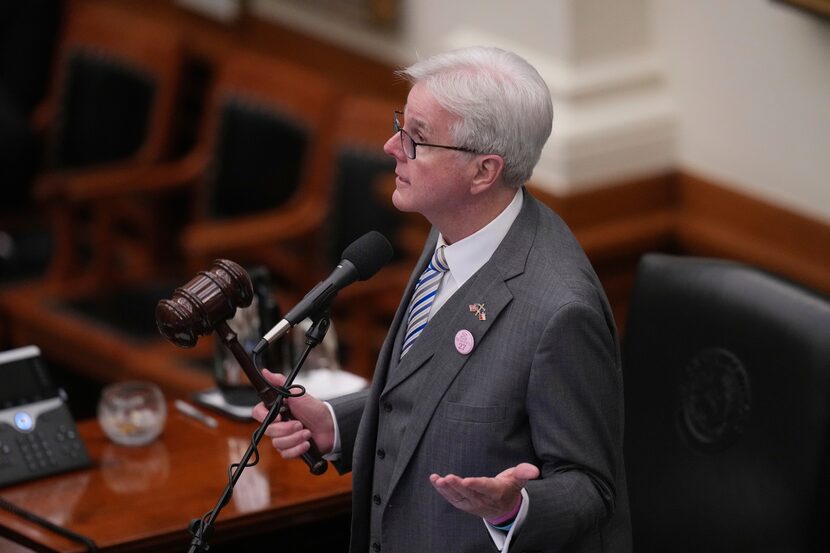
Discussions around property tax reforms and City Hall’s future in Dallas have ignited passionate responses from residents. Letters to the editor reveal differing opinions on Lt. Gov. Dan Patrick‘s proposed tax plan and the potential relocation of City Hall, highlighting generational tensions and urban development concerns.
In a recent editorial, critics of Patrick’s property tax plan argue it disproportionately benefits older residents at the expense of younger homeowners. Will McCutcheon, a resident of Richland Hills, counters this view. As a member of Generation X, he expresses frustration over ageism in the workplace and the financial burdens of supporting multiple generations. He argues that tax relief should not come at the expense of fairness, emphasizing that 3.3 million of Texas’ 6.1 million homeowners would qualify for the proposed senior property tax exemption.
McCutcheon insists that the current system penalizes responsible homeowners who face escalating property taxes while benefiting older generations who may not utilize public education services. He advocates for indexing education costs to parents actively using the schools, rather than burdening those who have already raised their children.
Conversely, Ken Duble from Dallas echoes a common sentiment among younger homeowners. He argues that the proposed tax relief for seniors overlooks the financial struggles of young families. He calls for a broader tax reform that includes reducing the state sales tax, which he views as the most regressive tax impacting the majority of Dallas residents who are renters.
The conversation shifts as former mayors Tom Leppert and Ron Kirk advocate for redeveloping the City Hall site to revitalize downtown Dallas. In their opinion piece, they suggest that relocating City Hall could provide the necessary space for a new arena and entertainment complex. However, this proposal has drawn skepticism from residents who question the efficacy of similar past developments in addressing downtown’s challenges.
R. Lawrence “Larry” Good argues that the focus on City Hall as a solution to downtown’s struggles is misguided. He points out that there are 55 acres available for development without demolishing the iconic building. Good calls for a more thorough assessment of the city’s needs before making hasty decisions about City Hall’s future.
Opinions continue to diverge, with Michael Amonett criticizing the idea of replacing City Hall with a new arena. He suggests that previous projects, such as the American Airlines Center, did not fulfill their promises of revitalization. Amonett expresses concern that the current emphasis on quick fixes and large-scale developments only detracts from a more thoughtful approach to urban planning.
As Dallas navigates these complex issues, the community remains engaged in discussions about fair taxation and urban development. The debate reflects a broader concern over how best to balance the needs of different generations and the future of the city’s identity.