
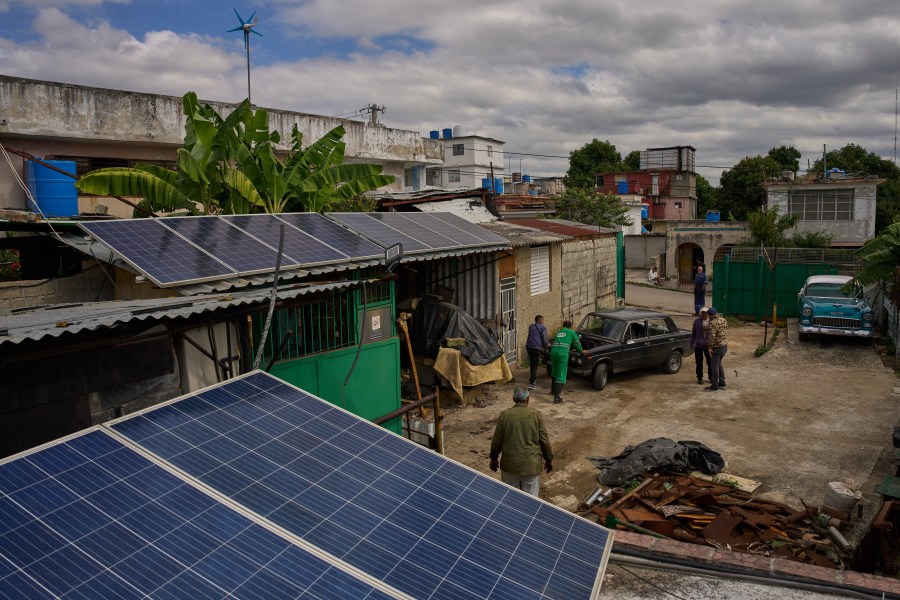
As the U.S. government intensifies its economic sanctions against Cuba, many residents are increasingly focused on self-sufficiency. This shift comes in response to a significant tightening of restrictions aimed at pressuring the Cuban government. Experts suggest that these measures are designed to encourage a popular uprising and facilitate a change in leadership on the island.
The latest round of sanctions, implemented in September 2023, has exacerbated existing economic hardships. Critical oil shipments from Venezuela, a key supplier, have declined sharply, further straining Cuba’s economy. The situation has led to widespread shortages of essential goods, forcing citizens to adapt in order to survive.
Local Responses to Economic Pressures
In Havana, residents have begun to rely on urban gardening and small-scale farming to supplement their food supply. As access to basic commodities diminishes, initiatives such as community gardens have emerged. These grassroots efforts aim to alleviate the scarcity of food and provide a semblance of stability amidst the turmoil.
José Luis Perdomo, a local resident, highlighted the urgency of these efforts. “We have no choice but to grow our own food. The prices in stores are unbearable, and many items are simply not available,” he stated. This sentiment is echoed across the island, as people seek innovative ways to cope with the tightening economic conditions.
The U.S. sanctions have not only restricted economic activity but have also led to increased isolation for Cuba on the global stage. According to the United Nations, the embargo has significantly limited the country’s access to international markets and foreign investment, compounding the challenges faced by everyday Cubans.
International Reactions and Future Implications
The international community has responded with mixed reactions. Some countries have condemned the U.S. sanctions, arguing they disproportionately affect the most vulnerable populations. Others support the measures, believing they are a necessary step towards promoting democratic reforms in Cuba.
As the situation evolves, the impact of these sanctions will likely continue to be felt across various sectors. The Cuban government faces mounting pressure not only from external forces but also from its citizens, who are demanding change. This dual pressure could lead to significant shifts in both policy and governance in the near future.
In summary, the tightening of U.S. sanctions has forced Cubans to become more self-reliant in their quest for survival. The consequences of these measures are profound, affecting daily life and shaping the future of the island. As the international community watches closely, the resilience of the Cuban people is being tested in unprecedented ways.