
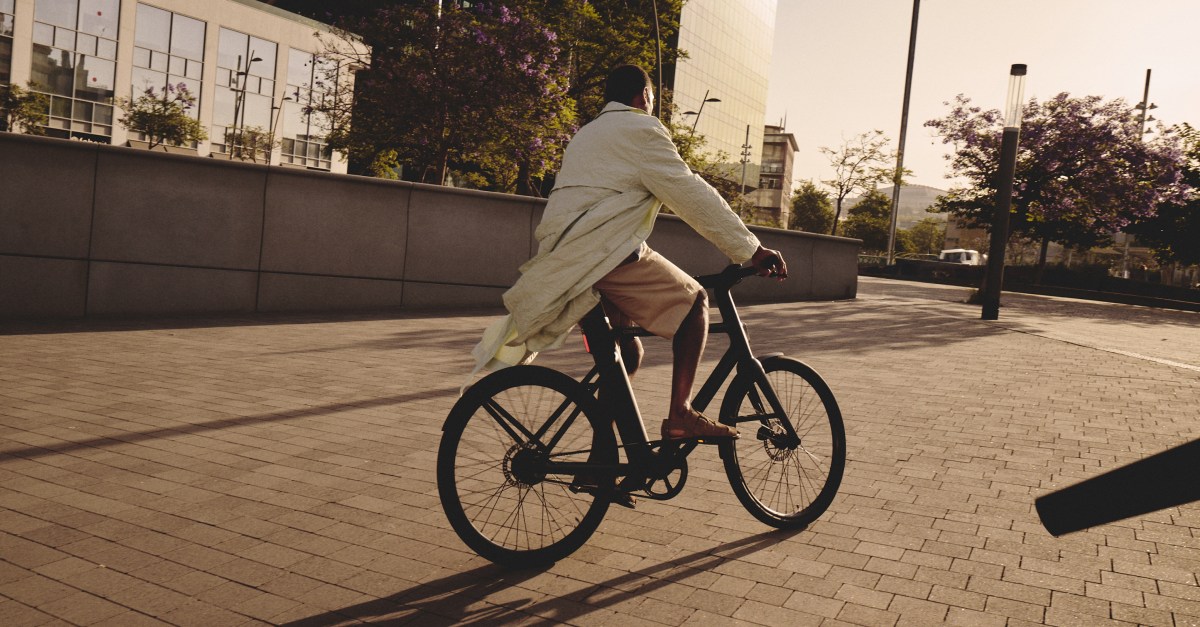
The Brussels-based electric bike manufacturer, Cowboy, has officially been acquired by ReBirth Group Holding, which also owns prominent cycling brands such as Peugeot, Gitane, and Solex. The acquisition includes undisclosed new funding from ReBirth, alongside €15 million (approximately $17.6 million) from existing shareholders. This financial support aims to restart production and address a backlog of spare parts, according to company statements.
As part of this transition, ReBirth has taken over Cowboy’s e-bike assembly operations through its subsidiary, Re-cycles, a French manufacturer of traditional bicycles. Cowboy faced considerable challenges in 2025, including delays in deliveries and repairs, as well as a significant frame recall that nearly resulted in bankruptcy.
Despite these hurdles, Cowboy will maintain its operational independence in Brussels, alongside its design, engineering, and software teams. Following the acquisition, Adrien Roose, Cowboy’s founder and CEO, has departed from the company. In a press release, Roose expressed optimism about the partnership, stating, “My hope is that this new partnership will make Cowboy more reliable for riders in the long term. To keep them on the road and supported in the best way possible.”
With the acquisition finalized, Cowboy’s immediate priority is to produce 1,500 new bikes by January 2026 to alleviate the backlog of orders. Customers waiting for their e-bikes can expect updated delivery timelines “in the coming weeks,” with lead times anticipated to significantly improve by Spring 2026.
Leveraging ReBirth’s extensive presence in France, which includes 95 Oxygen stores and 10 Ovelo stores, Cowboy aims to enhance its market visibility. The partnership is expected to integrate Cowboy’s digital expertise and innovative platform capabilities across ReBirth’s other brands, utilizing the same data-driven systems that have shaped Cowboy’s approach to connected mobility.
Grégory Trébaol, CEO of ReBirth Group Holding, acknowledged the significance of this acquisition, stating, “I would like to thank Cowboy’s founders for their vision, ambition, and the remarkable company they have built in a difficult market. This transaction opens a new chapter for Cowboy.”
Like many bicycle manufacturers, Cowboy has been affected by the fluctuations caused by the pandemic, which led to a boom-and-bust cycle in the industry. The costly frame recall announced in May posed a serious threat to the company, forcing it to secure short-term financing in August to continue operations. Fortunately, Cowboy managed to avoid bankruptcy, a fate that befell other companies in the sector, including VanMoof and Rad Power Bikes. Some boutique e-bike makers, such as Ampler and GoCycle, successfully found buyers before facing closure.
With Cowboy now under new ownership, the era of independent, direct-to-consumer e-bike startups that once energized the bicycle industry appears to be coming to an end. The acquisition marks a significant shift in the landscape of the sector, highlighting the challenges and opportunities that lie ahead for established brands and new entrants alike.