
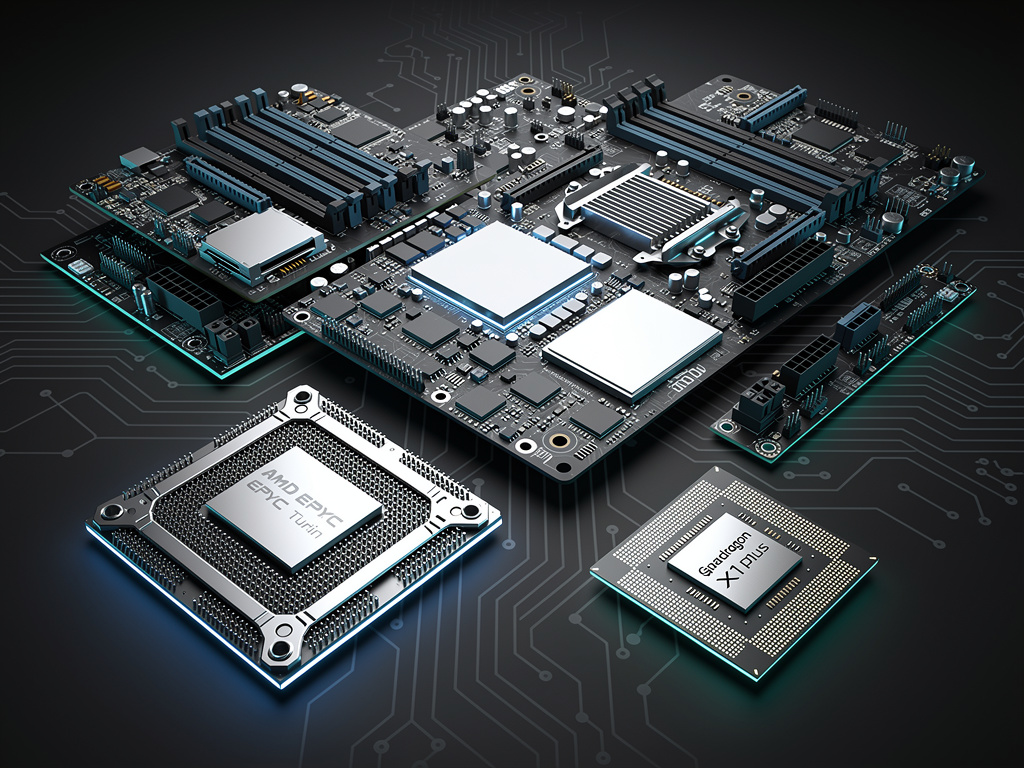
UPDATE: The release of Coreboot 25.12 has just been announced, marking a pivotal moment in open-source firmware development. This latest update, unveiled in December 2025, introduces substantial enhancements, including support for AMD’s EPYC 9005 “Turin” processors and Qualcomm’s Snapdragon X1 Plus platform.
This quarterly release from the Coreboot project showcases over 750 commits from more than 110 contributors, reflecting a robust community effort to push the boundaries of hardware compatibility. The new features promise to revolutionize how firmware interacts with high-performance computing, making it an urgent topic for industry professionals and tech enthusiasts alike.
The introduction of support for AMD’s latest high-core-count silicon, the EPYC 9005, is particularly significant for server administrators and data center operators. Although currently a proof-of-concept, it signals potential efficiency gains and a shift toward open firmware solutions in enterprise settings, which can help combat vendor lock-in. Furthermore, Coreboot’s enhancements to tools like amdfwtool streamline firmware management, making deployment on AMD systems smoother than ever.
The integration of Qualcomm’s Snapdragon X1 Plus also opens doors for more Arm-based devices within the Coreboot ecosystem. These advancements align with broader industry trends emphasizing the need for diversity beyond traditional x86 architectures, a topic generating considerable excitement on platforms like X.
Coreboot 25.12 is not only about new hardware support; it also refines existing functionalities. The update optimizes the boot process and reduces latency for supported hardware, essential for embedded systems and IoT applications. Increased security measures, including patches for vulnerabilities, further solidify Coreboot’s commitment to safe and reliable firmware.
Community sentiment is overwhelmingly positive, with many first-time contributors participating in this release, showcasing the inclusive nature of the project. This influx of fresh talent has led to diverse improvements, making the codebase more accessible and efficient for developers.
The ripple effects of Coreboot 25.12 extend beyond technical enhancements. The updates could influence sectors like mobile computing and automotive systems by promoting longer device lifecycles through customizable OS installations. Industry observers are keenly watching how these developments can challenge the dominance of Intel and AMD in open firmware spaces.
As the community continues to engage and innovate, the future looks bright for Coreboot. The quarterly release cycle ensures steady progress, and 25.12 sets the stage for exciting advancements in 2026, including the potential integration with AI-driven workloads, where rapid boot times are critical.
For developers, the Coreboot 25.12 update is a call to action. With the project focused on minimizing binary blob dependencies, opportunities for collaboration and innovation abound. As the firmware landscape evolves, Coreboot stands out as a beacon of empowerment, allowing users to reclaim control over their hardware.
Stay tuned as we monitor the impact of Coreboot 25.12 and its ongoing developments in the open-source firmware community. This release not only enhances existing capabilities but also charts a course for inclusive, high-performance firmware that benefits a wide range of users.