
A recent recommendation by a federal vaccine committee has sparked significant debate regarding the hepatitis B vaccine for newborns. In an 8-to-3 vote, the Advisory Committee on Immunization Practices (ACIP), under the leadership of vaccine skeptic Robert F. Kennedy Jr., suggested that the long-standing guidance for immunizing all newborns against hepatitis B at birth be revised. This change has raised concerns among health officials, particularly in New York City, where the local health authority maintains its commitment to the existing vaccination protocol.
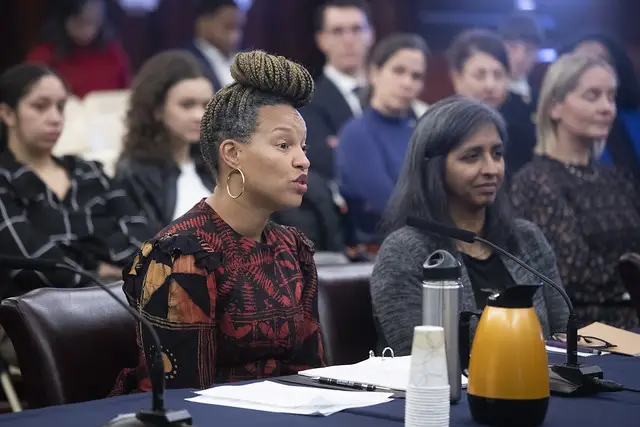
During an interview with Sean Carlson on “All Things Considered,” Dr. Michelle Morse, New York City’s Acting Health Commissioner, expressed her disappointment with the new federal guidance. She emphasized the importance of the hepatitis B vaccine, which protects against a virus that can cause chronic liver disease in children. Dr. Morse noted the unique transmission routes of the virus, stating, “Hepatitis B is incredibly infectious and very common… you can also get it from touching surfaces that have the virus on it.”
The ACIP’s recommendation has shifted the responsibility to parents, suggesting they consult with healthcare providers rather than adhering to a blanket policy for immunization. Dr. Morse criticized this approach, highlighting that it could lead to confusion among parents and potentially undermine public health efforts. She asserted, “In New York City and New York state, the guidance has not changed… our recommendation is still that all of our babies get that dose of the hepatitis B vaccine within 12 or 24 hours of being born.”
Dr. Morse also pointed out the successful history of the hepatitis B vaccination program, which has been in place for over 30 years and has led to a 99% reduction in childhood hepatitis B infections. She stressed that there was no new data presented by the ACIP to justify the change and reinforced the vaccine’s safety profile.
The implications of this decision extend beyond confusion. Dr. Morse warned that misinformation stemming from the federal guidance could have ripple effects throughout New York City. She noted, “Half of the people who have hepatitis B actually don’t know they have it,” making the vaccination even more crucial.
In response to the federal recommendations, Dr. Morse reaffirmed the commitment of New York City’s health officials to ensure that local practices continue to prioritize public health. She highlighted the vital role of local health departments, stating, “Public health is local… when the federal government does irresponsible things, we here in New York City can step up and make sure that we fill the void.”
Dr. Morse also addressed concerns about vaccine hesitancy, acknowledging that the COVID-19 pandemic has influenced public perceptions of vaccines. Despite some pushback, she reported that vaccination rates among children entering kindergarten remain high, with over 98% meeting immunization requirements.
When asked about her trust in the Centers for Disease Control and Prevention (CDC), Dr. Morse expressed her reservations about the current leadership. She stated, “The leadership of the CDC and the leadership by Secretary Kennedy is extremely concerning… I can no longer direct New Yorkers to the CDC websites or resources as a best source of information.” Instead, she encouraged individuals to seek guidance from the New York City Health Department’s official channels for reliable information.
The ongoing debate surrounding the hepatitis B vaccine illustrates the complexities of public health policy, especially in an era marked by misinformation and shifting federal guidance. As local health officials continue to navigate these challenges, they remain committed to ensuring the health and safety of New Yorkers.