
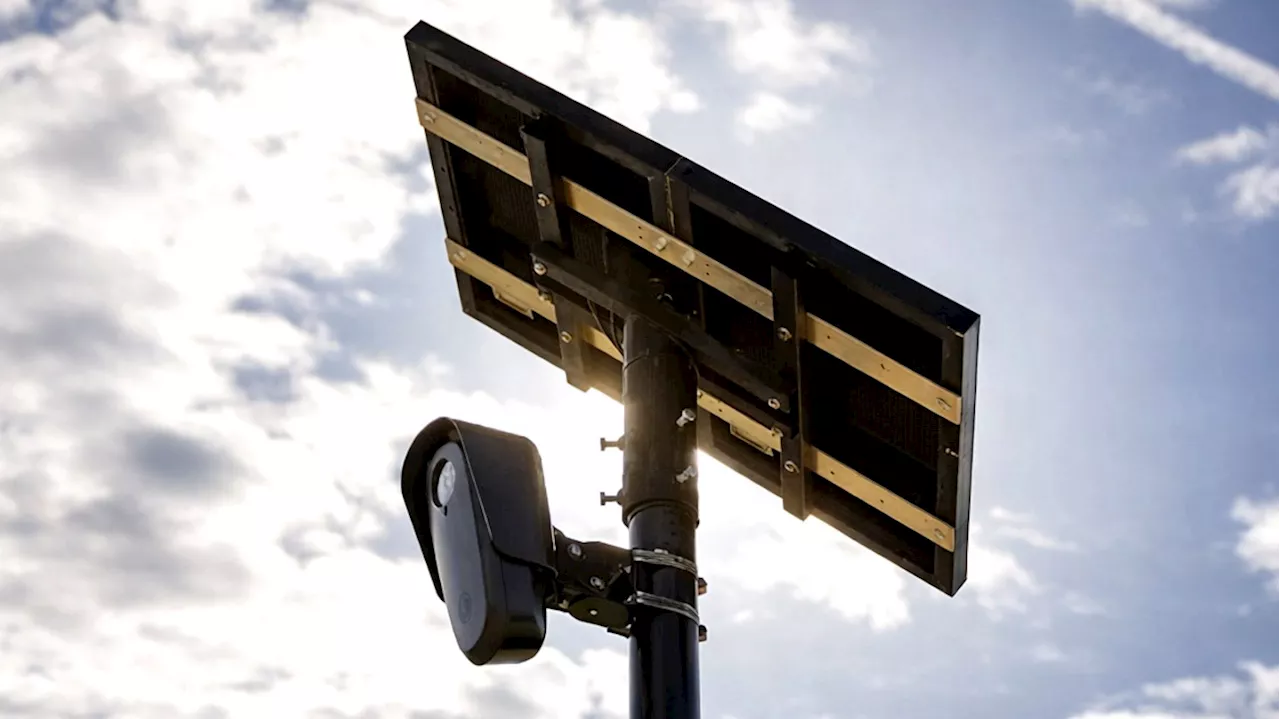
Connecticut has officially approved the installation of automated speed cameras in ten towns, marking a significant step in local traffic enforcement efforts. This move comes as municipalities across the state seek to enhance roadway safety and generate revenue through automated traffic monitoring.
Ten Towns Join the Initiative
The ten towns now authorized to implement automated traffic cameras include major centers such as New Haven, Middletown, Fairfield, Greenwich, Milford, Stratford, Wethersfield, Beacon Falls, Marlborough, and Washington. The latter was the first town to receive approval back in November 2024. Following this initial rollout, both Hamden and Stamford have submitted applications and are awaiting a decision from state authorities.
Under a roadway safety law passed in 2023, towns can deploy automated cameras to enforce traffic regulations. However, the process requires municipalities to conduct public hearings and submit detailed safety plans to the Connecticut Department of Transportation (DOT) that outline how the cameras will contribute to reducing accidents, injuries, or fatalities. Once submitted, the DOT has a period of 60 days to review and approve or reject the applications.
Revenue Generation and Public Safety Concerns
Automated speed tickets start at $50, but many towns add administrative fees, which can increase the total cost for offenders. The introduction of these cameras has sparked debate over their effectiveness in deterring speeding. While some local officials are optimistic about the potential for increased safety, critics point out that the primary motivation may also include revenue generation.
According to reports from CT News Junkie, West Hartford is on the verge of joining the approved list after its Town Council unanimously backed a speed camera plan for 15 locations, aiming for a rollout by mid-2026. In contrast, East Hartford has taken a more comprehensive approach by approving an ordinance that encompasses speed cameras, red-light cameras, license plate readers, drones, and noise cameras. In response to privacy concerns raised by the American Civil Liberties Union (ACLU), the ordinance stipulates that license plate images must be retained for no longer than 30 days unless linked to an active investigation.
As the use of automated cameras expands, municipalities across the United States are closely monitoring their implementation. If Connecticut’s experience aligns with that of other states, such as Hawaii, Florida, and Indiana, the state could see a significant influx of revenue from traffic violations, raising questions about the balance between law enforcement and civil liberties.