
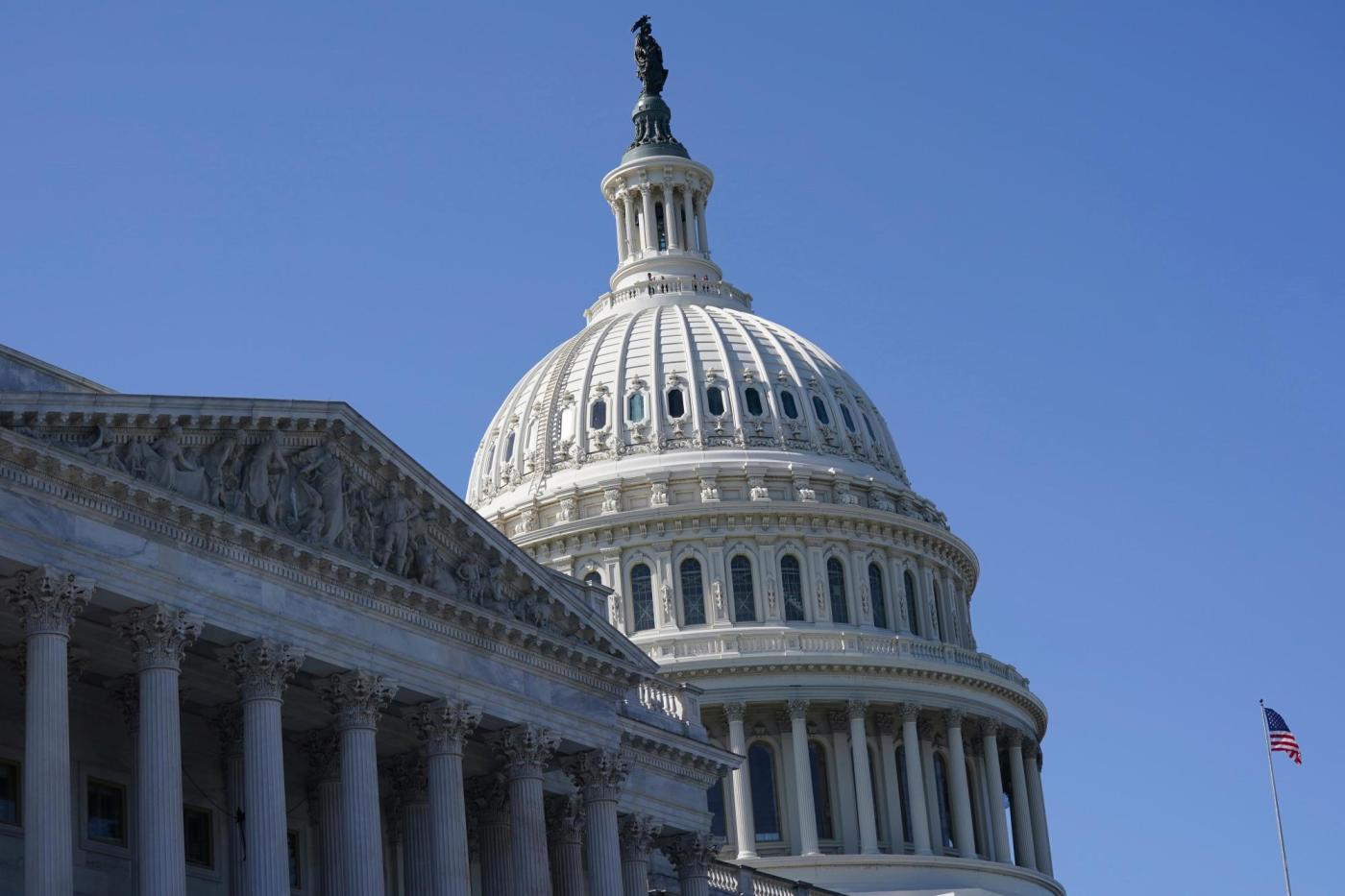
As the 2026 midterm elections approach, Congress is experiencing a notable decline in legislative activity, a trend that experts predict will continue. Political analysts attribute this decrease to a combination of risk-averse behavior among lawmakers and the growing reliance on executive orders by President Donald Trump. In fact, Trump has signed 225 executive orders this year alone, surpassing his total from his first term within just 11 months.
According to a report by The Washington Post, Congress has set a modern record for the lowest legislative output during the first year of a new presidency. As of December 19, only 38 bills had been passed and signed into law, according to data from C-SPAN and Purdue University. Even with the signing of six additional bills shortly thereafter, the total for the year reached only 44 bills, significantly lower than the 76 laws enacted in the first year of Trump’s first term and the 68 laws passed during President Joe Biden‘s initial year in office.
Political management expert Todd Belt from George Washington University noted that midterm election years typically see decreased legislative output. “Nobody wants to do anything too provocative during an election year,” Belt explained, emphasizing that this reluctance is evident on both sides of the aisle.
The current political landscape presents challenges for the Republican Party, which holds the presidency and both chambers of Congress. Casey Burgat, legislative affairs program director at George Washington University, pointed out that the slim margins in the House and Senate hinder substantial legislative action. Additionally, differing priorities among various factions within the Republican Party complicate agreement on key issues. This fragmentation has allowed Trump to govern largely through executive orders.
Burgat stated that Republicans have been aware, “in their heart of hearts,” that achieving legislative success would be difficult this year. This realization has led to a willingness to allow Trump to take the lead, benefiting the party while enabling lawmakers to claim credit for the administration’s achievements.
However, the upcoming midterms pose a complex challenge for Republican candidates. According to Seth McKee, a politics professor at Oklahoma State University, even the party’s flagship legislation, dubbed the “One Big Beautiful Bill,” lacks public support. In solidly Republican districts, candidates can align with Trump’s policies, but those in more competitive areas may struggle to communicate their positions effectively.
“Democrats are in a favorable position to campaign as a do-nothing Congress,” McKee noted, emphasizing that the lack of significant legislative progress may resonate with voters. While Burgat acknowledged that this strategy has historically been effective for minority parties, he cautioned that broader voter sentiments regarding the economy and Trump’s performance will ultimately drive election outcomes.
Historically, the sitting president’s party has lost seats in the House during midterm elections, with eight out of ten instances over the past 40 years resulting in losses. The Cook Political Report currently identifies only 17 out of 435 House seats as toss-ups for the upcoming midterms, while just two Senate seats are categorized similarly, indicating a potential for Democrats to reclaim the House.
Despite a lack of legislative output in 2025, experts like Charles Hunt, a politics professor at Boise State University, suggest that the GOP’s “One Big Beautiful Bill” consolidates numerous policy priorities into a single piece of legislation. This approach, while making Congress appear less active, does not entirely reflect the total policy output.
Hunt described the current Congress as dysfunctional, attributing this to challenges faced by Speaker of the House Mike Johnson. He noted the difficulty Johnson encounters in balancing the demands of far-right members with those of more moderate colleagues concerned about their re-election prospects in competitive districts.
While Trump has been perceived as diverting power from the legislative branch, Hunt acknowledged that Congress has taken steps to reassert its authority. He cited recent votes that compelled Trump to address certain issues, such as the Epstein files, and efforts to restrict stock trading among members of Congress.
As Congress approaches critical spending bills for the current fiscal year, Belt does not anticipate significant activity in 2026 beyond budget-related matters. He suggested that if certain powers held by Trump are challenged in court, Congress may need to intervene, particularly concerning issues like expiring Obamacare subsidies, which could prompt legislative revisitation due to public demand.
The political landscape remains fluid as lawmakers prepare for the upcoming elections, and the interplay between executive action and legislative responsibility will likely shape the narrative heading into 2026.