
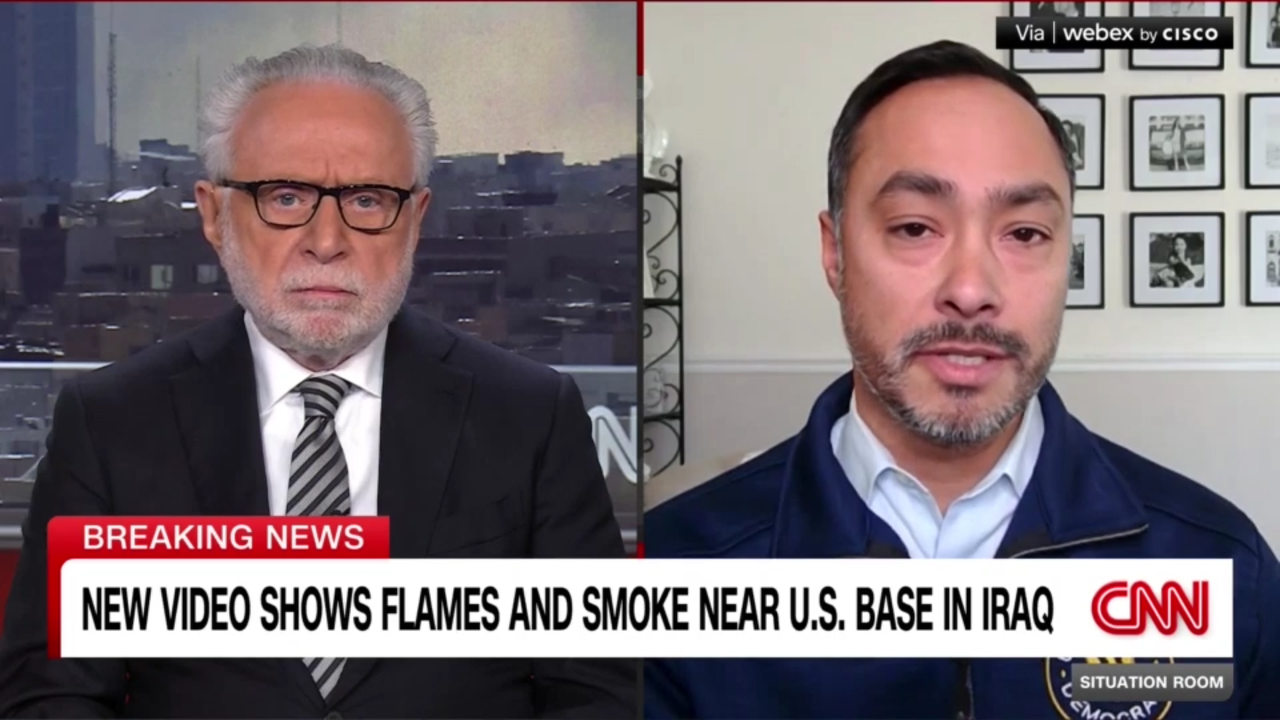
The ongoing conflict between the United States and Iran has prompted calls for Congress to take a more active role. Representative Joaquin Castro emphasized the need for legislators not to remain “on the sidelines” as tensions escalate. His comments came during an interview with Wolf Blitzer on The Situation Room on January 8, 2020, where the potential for a vote regarding President Donald Trump’s war powers resolution was discussed.
During the interview, Castro expressed concerns about the implications of military actions without congressional oversight. He stated that Congress must be involved in decisions that could lead to military conflict, highlighting the constitutional responsibility of legislators to authorize military engagements. Castro’s remarks reflect a growing unease among some lawmakers regarding the administration’s approach to the situation in Iran.
The backdrop of this discussion is marked by recent events, including the killing of Iranian General Qasem Soleimani in a U.S. drone strike, which escalated tensions significantly. This action has raised questions about the potential for military retaliation from Iran and the broader implications for U.S. interests in the region.
Castro argued that Congress should act proactively to prevent further escalation. “We cannot allow our military to operate without the approval of Congress,” he asserted, emphasizing that lawmakers must ensure that any actions taken align with national interests and international law.
As discussions continue, the political landscape remains divided. Some members of Congress support the administration’s approach, citing the need for decisive action against threats posed by Iran. Others, like Castro, advocate for a more measured response that involves legislative input.
The potential vote on Trump’s war powers resolution could serve as a pivotal moment for Congress. It would not only address current military operations but also set a precedent for future engagements. Lawmakers are grappling with the balance between national security and the necessity of legislative checks on executive power.
As of now, further developments are expected as Congress reconvenes. The urgency of the situation may accelerate discussions around the war powers resolution, with key votes likely to occur in the coming weeks. The outcome will be closely monitored by both domestic and international observers, given its implications for U.S.-Iran relations and regional stability.