
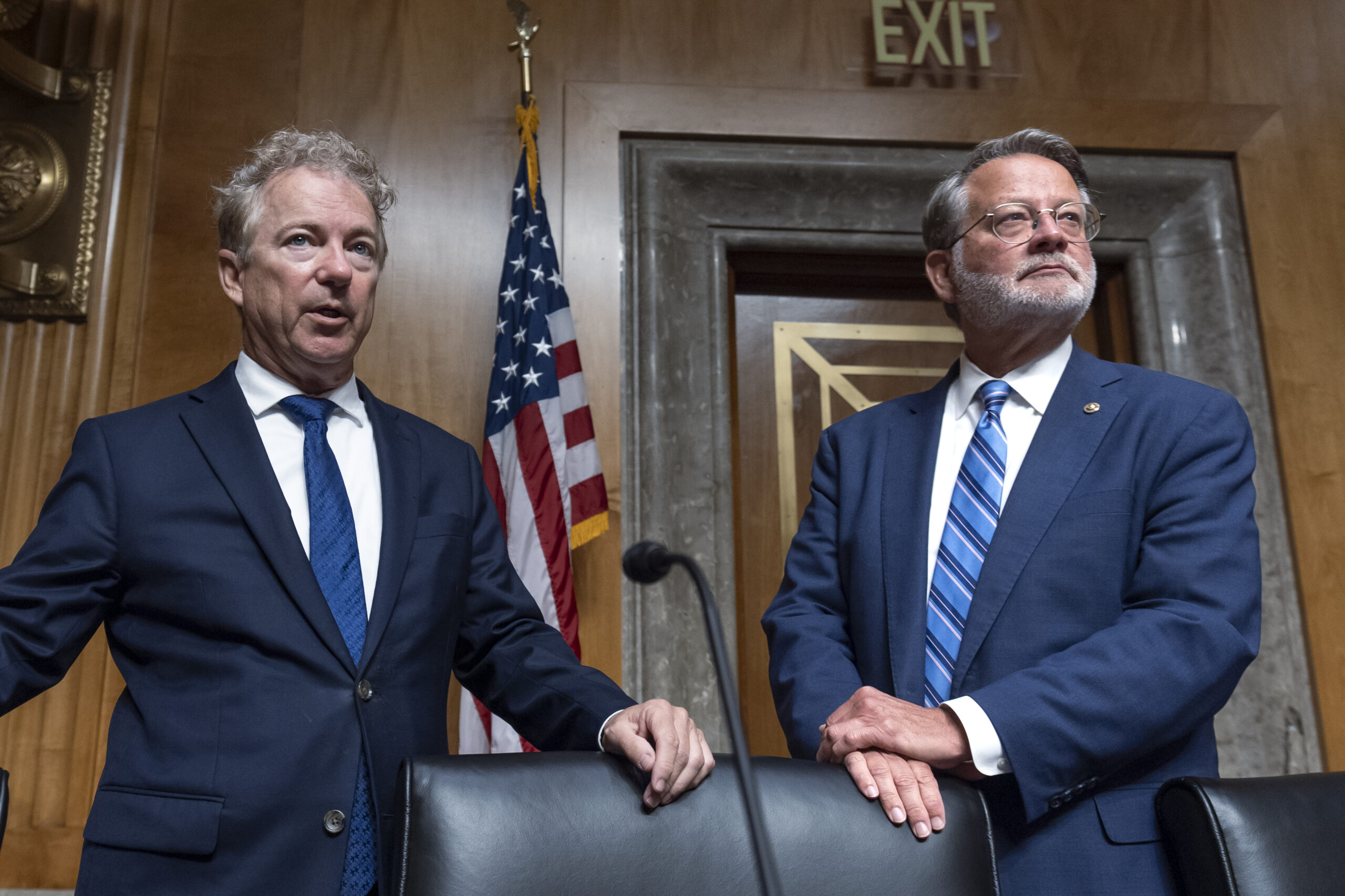
The U.S. Congress is beginning the search for a new Comptroller General following the end of the current officeholder’s 15-year term. This position, which oversees the Government Accountability Office (GAO), is critical for maintaining government accountability and transparency. The incumbent’s departure has prompted discussions about the qualities and qualifications necessary for the next appointee.
The Comptroller General plays a vital role in ensuring that federal agencies operate efficiently and in alignment with the law. This position is particularly significant given the challenges facing the government today, ranging from budgetary concerns to oversight of federal spending. The new appointee will likely need to navigate a complex political landscape shaped by the Trump administration’s policies and the ongoing shifts within Congress.
Requirements for the Next Comptroller General
As Congress outlines the qualifications for the next Comptroller General, certain critical requirements are emerging. The appointee will be expected to possess a robust background in finance and management, along with a deep understanding of governmental operations. Additionally, strong leadership skills are essential for directing the GAO’s numerous audits and investigations.
Given the heightened scrutiny of government spending and the increasing demand for transparency, Congress is likely to prioritize candidates who have a proven track record in public service. The ideal candidate should also demonstrate an ability to work collaboratively across party lines, an essential skill in today’s divided political environment.
The selection process is expected to unfold over the coming months, with various committees in Congress involved in vetting potential candidates. The next Comptroller General will be nominated by the President and confirmed by the Senate, a process that typically involves thorough background checks and public hearings.
Implications for Accountability and Oversight
The appointment of a new Comptroller General carries significant implications for government accountability. The GAO is responsible for auditing federal programs and spending, providing Congress with valuable insights into the efficiency and effectiveness of government operations. A change in leadership could lead to shifts in priorities and emphasis on particular areas of concern, particularly concerning federal expenditures.
As the search progresses, stakeholders from various sectors, including government watchdog groups and advocacy organizations, are likely to express their views on potential candidates. Many will seek a leader who is not only competent but also committed to upholding the values of transparency and accountability in government.
In summary, the departure of the current Comptroller General signals a critical juncture for U.S. government oversight. As Congress embarks on this search, the selection of a new leader will play a pivotal role in shaping the future of federal accountability and resource management in Washington D.C. The next appointee will need to address the pressing challenges facing the government while fostering a culture of integrity and transparency.