
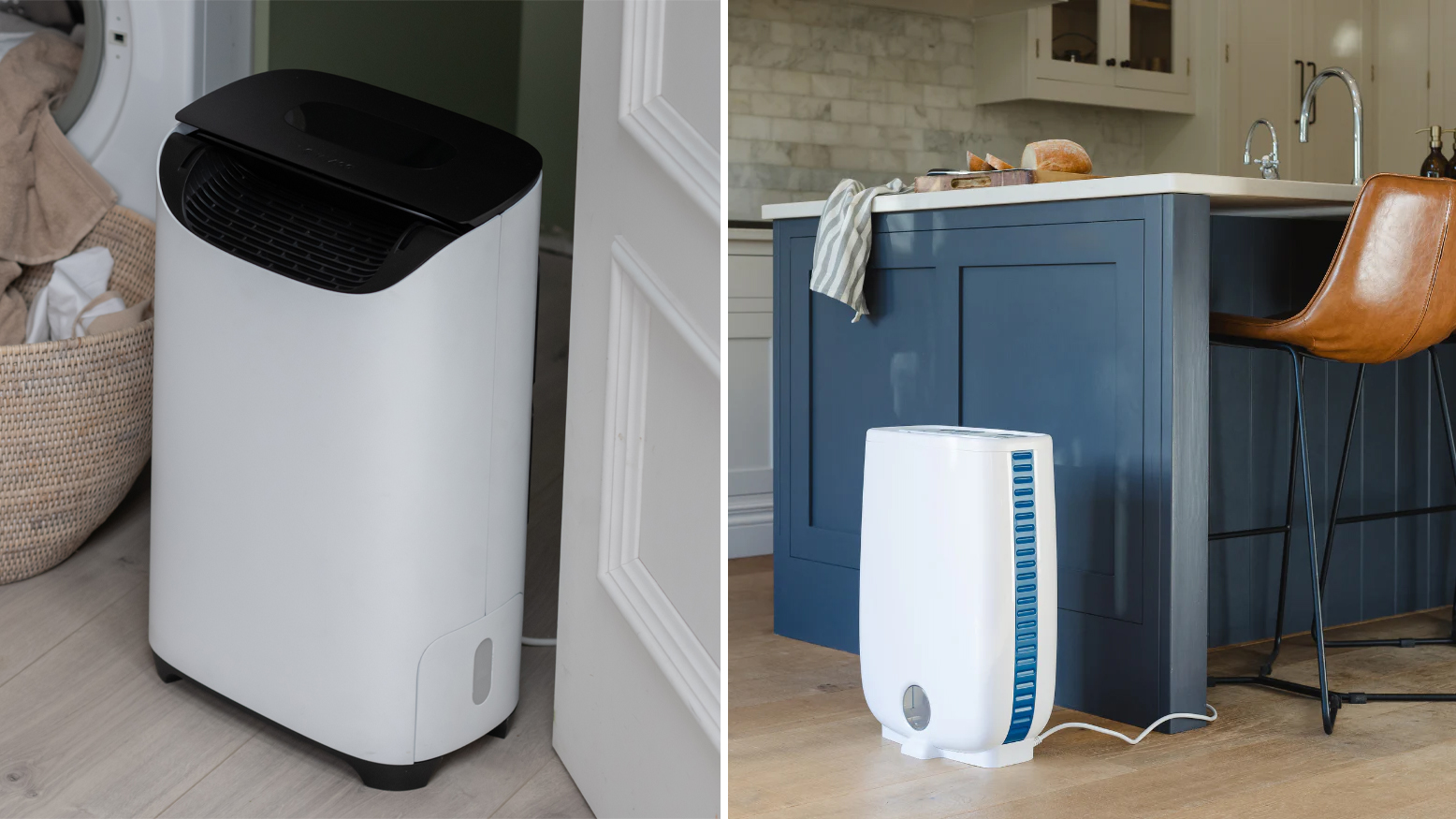
Homeowners facing issues with dampness or condensation often consider purchasing a dehumidifier. The two primary options available are compressor dehumidifiers and desiccant dehumidifiers, each with distinct functionalities suited to different environments and needs. Understanding these differences can help consumers make informed decisions about which type to select for their specific situation.
How Each Type Works
A compressor dehumidifier operates by drawing air into the machine and passing it over a cold metal surface. This process causes moisture in the air to condense and collect as water, which then drips into a collection bucket. The air is subsequently warmed and blown back into the room, usually at around room temperature. Some models may feature a removable filter, allowing the device to also function as an air purifier, although this can affect efficiency as the machine must work harder to draw air through the filter.
In contrast, a desiccant dehumidifier uses a different mechanism. Air enters the machine and passes through condensate tubes where it comes into contact with desiccant material that absorbs moisture. According to Chris Michael, co-founder and Chief Product Officer of the aircare brand Meaco, the desiccant material rotates on a wheel, becoming damp with moisture. A fan and heater then dry the wheel, allowing the now-warm, damp air to move into the condensate tubes. The heat generated during this process is released back into the room, providing a slight increase in temperature.
Key Differences Between Compressor and Desiccant Dehumidifiers
One significant difference is the temperature of the air released back into the room. A compressor dehumidifier will typically emit air at approximately room temperature, while a desiccant model can blow air that is around 18°F (10°C) warmer. This additional heat can be beneficial for drying clothes quickly, making desiccant dehumidifiers particularly well-suited for such tasks.
Cost efficiency is another factor to consider. Generally, compressor dehumidifiers are less expensive to operate under optimal conditions. However, they lose effectiveness in colder environments, specifically below 59°F (15°C). In these conditions, desiccant dehumidifiers maintain consistent performance, making them ideal for unheated spaces like garages, caravans, or boats, where temperatures may drop below 50°F (10°C).
Lastly, the size and capacity of the dehumidifier are crucial. Selecting the appropriate size for one’s needs directly influences the operational costs. A device that is too small will struggle to maintain desired humidity levels, while one that is too large may lead to unnecessary energy expenditure.
For anyone considering a dehumidifier, evaluating the specific environment and intended use will dictate whether a compressor or desiccant model is the better choice. As Chris Michael emphasizes, understanding these differences is key to making an informed purchase that will effectively address moisture issues in the home.