
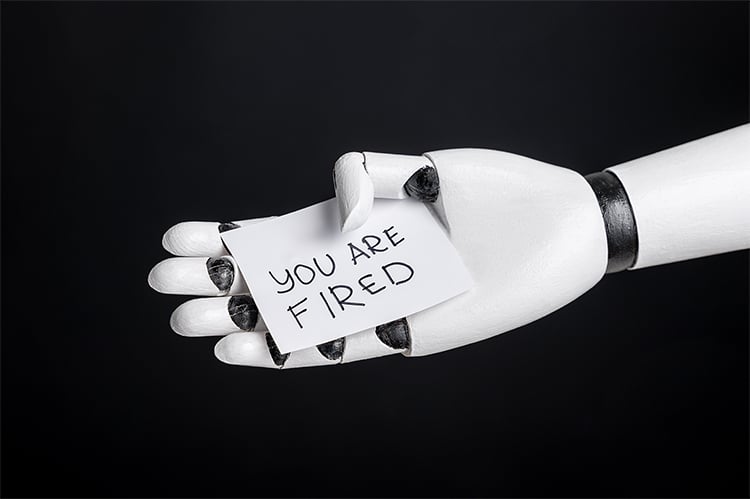
In 2025, companies across various sectors cut approximately 1.1 million jobs, marking the highest number of layoffs since the onset of the COVID-19 pandemic. Despite widespread assumptions attributing these layoffs to advancements in artificial intelligence, data reveals that only 55,000 layoffs—less than 1% of total job losses—were directly linked to AI, according to a report by consulting firm Challenger, Gray & Christmas.
Tech Sector Dominates Layoffs
The technology sector has seen a significant share of these job cuts, with major firms announcing substantial reductions in their workforces. As Amazon prepared to lay off employees starting in June, CEO Andy Jassy indicated that AI advancements would necessitate “fewer people doing some of the jobs that are being done today.” However, by October, following the dismissal of 14,000 workers, Jassy clarified to investors that the layoffs were “not even really AI driven, not right now at least.”
While the narrative surrounding AI suggests it is directly displacing workers, the reality appears to be more nuanced. Companies like Salesforce have asserted that up to 50% of their workload is now handled by AI, yet the data indicates a broader trend where AI is not necessarily causing layoffs but rather hindering new hiring opportunities.
Economic Factors at Play
Many entry-level positions have suffered due to the misconception that these roles can be easily filled by AI. This approach not only diminishes job prospects for potential employees but also illustrates the changing landscape of workforce dynamics. A study from MIT, published in the summer of 2025, found that 95% of organizations that implemented AI initiatives reported no financial return on investment.
The layoffs, while significant, may serve as a convenient explanation for companies aiming to project an image of modernization and technological advancement. In many instances, these job reductions stem from corporate strategies responding to economic pressures, including overhiring during economic booms or impacts from policies established during the Trump administration.
In the manufacturing sector, which could be thriving with the surge of data center construction projects, nearly 60,000 jobs have been lost since the beginning of the year. The Challenger, Gray & Christmas report highlights that while 55,000 layoffs were attributed to AI, over twice that number were due to restructuring, and about four times as many were linked to broader market conditions. Cuts made by the Department of Government Efficiency accounted for nearly six times as many layoffs as those attributed to AI.
This data underscores the reality that decisions regarding workforce reductions are often influenced by corporate calculations rather than solely by technological advancements. Executives may determine that reducing human labor in favor of “modernization” could enhance stock prices, making AI a convenient scapegoat for broader strategic shifts.
The current landscape of layoffs illustrates the complex interplay between technology and employment, where the narrative surrounding AI may not fully capture the underlying factors driving workforce changes. As companies continue to navigate economic uncertainties, the implications for workers remain significant, raising questions about the future of employment in an increasingly automated world.