
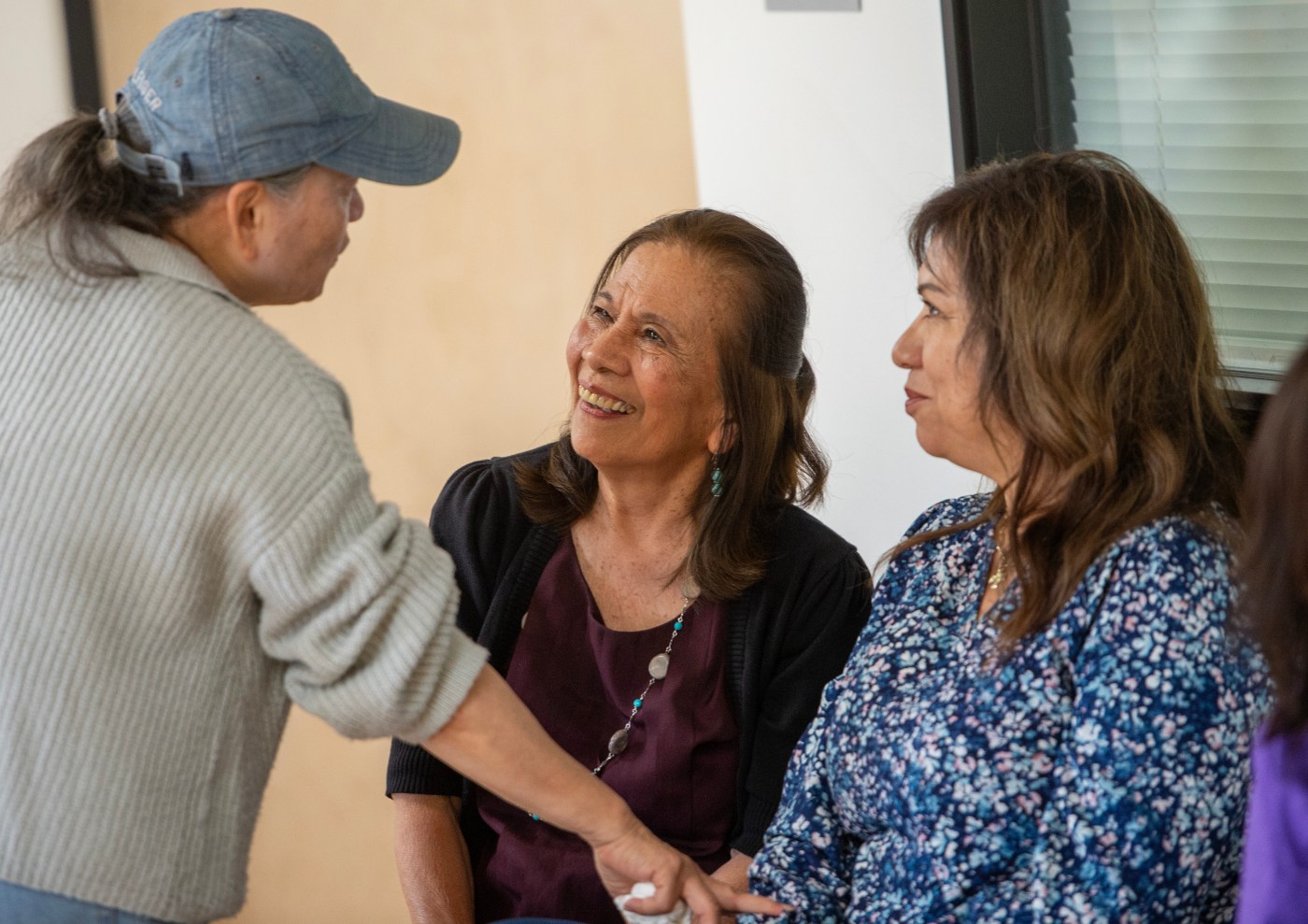
In a heartwarming initiative, the Asian Americans for Community Involvement (AACI) is transforming the lives of seniors like Mabel Yuen, 75, who faced profound loneliness during the COVID-19 pandemic. With her husband deceased for over three decades and having retired early due to health issues, Yuen found herself isolated and yearning for connection as the world shut down.
During these challenging times, Yuen experienced a critical surgery and struggled to reach out for help. “I tried to get help from people,” she recalled, “but no one responded because of COVID. People were scared of me.” In her search for support, she eventually contacted Eunice Cheng, the Senior Wellness Program manager at AACI, a nonprofit dedicated to providing health services and community support.
Restoring Connections Through Community Support
The assistance from AACI proved to be a lifeline for Yuen. Cheng connected her with essential services, including hot meal deliveries and emotional support over the phone. “We do not charge them money. We know they are immigrants. We provide all these cultural celebrations they might be missing,” Cheng explained.
AACI has been serving the community since its establishment in 1973, originally aimed at supporting Southeast Asian refugees after the Vietnam War. The Senior Wellness Program, initiated a year later, now assists over 900 low-income seniors who have recently immigrated to the United States or speak little English. This program includes fitness classes, educational workshops, and nutritious meals.
During the pandemic, Yuen participated in online classes offered by AACI, including an “Armchair Travel” course led by Gracia Del Rosario, an 82-year-old ESL instructor. Del Rosario created a curriculum that allowed seniors to explore different cultures and share their travel experiences. “To go on a vacation, you need time, money, and physical strength,” she noted. “I thought, maybe I could bring the countries of the world through Zoom to people who cannot travel outside the country.”
Through these classes, Yuen formed meaningful friendships, including with Claudia Hau, 80, from Fremont. Their bond blossomed, leading them to explore virtual journeys through Peru and Asia together. “I really appreciate that AACI takes care of the seniors. We are not young, and especially for immigrant people, we did not know a lot of channels to get resources,” Hau expressed.
Challenges and Future Goals
Cheng emphasized the importance of helping older adults live independently. She noted that many seniors initially feel shy and isolated but gradually open up as they connect with peers facing similar challenges. “With the network here, everyone is dealing with the same problems. There is a better sense of sharing challenges,” Cheng explained.
Despite the positive impact of its programs, AACI faces significant challenges due to recent funding cuts. Federal funding for its disease prevention program has been reduced by approximately 18% following changes to legislation. Furthermore, the organization is now serving 20% more meals than budgeted, adding financial strain.
Cheng highlighted that many seniors rely on food stamps, and any changes in qualification can directly affect their ability to access essential services. “A lot of the time, people have difficulties just because no one understands them,” she stated, underlining the need for effective communication and support.
Through initiatives like the Wish Book, which raises funds for local nonprofits, AACI aims to maintain and expand its services. With a goal of $25,000, the organization hopes to provide social engagement activities for nearly 200 seniors with limited English proficiency. Donations will ensure that these older adults continue to receive vital support and connection.
The story of Mabel Yuen and her peers illustrates the critical role community organizations play in fostering resilience among vulnerable populations. By addressing the unique challenges faced by seniors, AACI not only enhances individual lives but also strengthens the fabric of the community.