
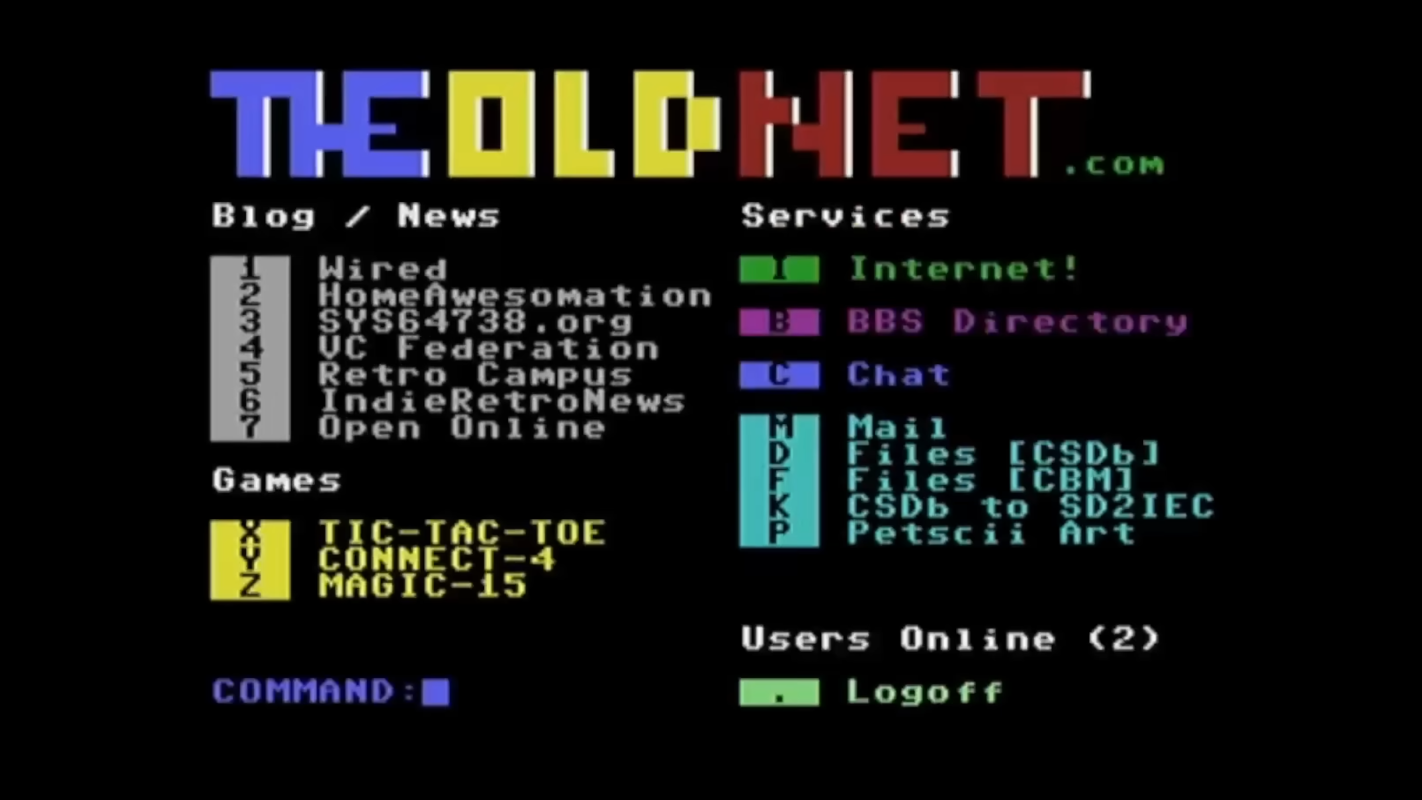
The iconic Commodore 64 is making headlines for its role in reviving the nostalgic era of Bulletin Board Systems (BBS). These systems, which date back to the 1980s, allowed users to connect to a single computer via telephone lines, marking a unique chapter in online communication. As modern internet platforms dominate today, there is a growing movement to revisit these simpler, more personal networks.
BBS operations were straightforward. Users would dial into a computer, often located in someone’s home, and access messages or files when the line was available. Only one user could connect at a time, creating a sense of exclusivity and community. While some may view this period through a romantic lens, many appreciate the less chaotic atmosphere compared to today’s algorithm-driven internet.
Reviving BBS with Modern Technology
A recent video from The Retro Shack illustrates this revival, showcasing how a modern version of the Commodore 64 can access a BBS called The Old Net. This platform is a contemporary recreation of the classic BBS systems, allowing users to experience what it was like to connect in the 1980s. The video highlights the use of an FPGA-based recreation and a modern networking card that enables the C64 to connect to Wi-Fi, replacing the traditional phone modem.
Once logged in, users can engage in various activities, including sending messages, sharing files, and even playing games. The software CCGMS serves as the terminal program to facilitate this connection, bridging the gap between retro computing and modern networking.
A Shift Towards Simplicity
This revival is part of a broader trend where individuals are increasingly seeking alternatives to contemporary technology. Many users are drawn to the idea of having greater control over their online experiences. The appeal of retro systems like the Commodore 64 and Atari lies not only in nostalgia but also in the simplicity and direct engagement they offer.
Importantly, accessing these BBS systems is not limited to vintage hardware. Modern computers equipped with appropriate terminal programs can also connect to these nostalgic networks, making them accessible to a wider audience. For those interested in exploring this unique aspect of computing history, comprehensive guides are available online.
This movement highlights a desire to reconnect with earlier forms of technology, where users had more autonomy over their digital interactions. As new technologies emerge, the charm of simpler times continues to resonate, reminding us of the foundational experiences that shaped the digital landscape.