
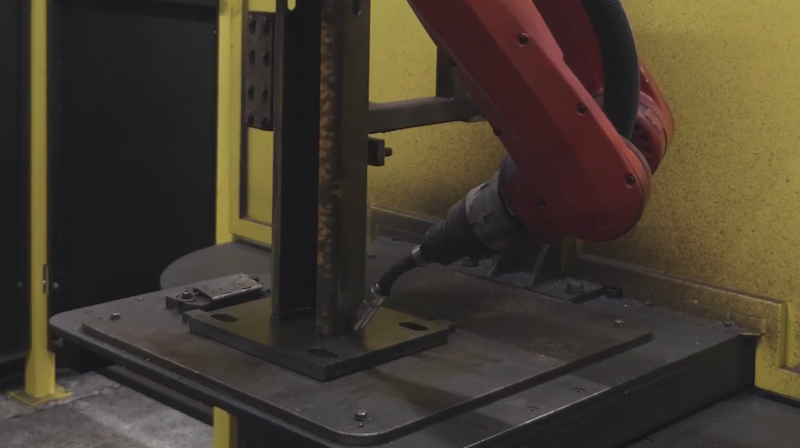
Comau, a leader in advanced automation solutions, has introduced a new robotic arc welding system designed to enhance productivity and reduce operational costs through the integration of artificial intelligence (AI). This innovation addresses ongoing challenges in the steel industry, where companies face difficulties in managing welding applications efficiently and safely.
The launch of this system is particularly timely as many manufacturers grapple with a shortage of skilled labor. The adoption of intelligent robotic solutions enables businesses to maintain high production quality while mitigating the risks associated with manual welding processes. According to Comau, the AI capabilities of the new system allow for real-time adjustments during the welding process, ensuring optimal results.
Enhancing Manufacturing Efficiency
The robotic welding system is engineered to streamline workflows, ultimately leading to significant cost reductions. By automating key welding tasks, companies can optimize their resources and improve overall efficiency. This development is crucial for the manufacturing sector, which is increasingly reliant on technology to remain competitive in a global market.
Comau’s commitment to innovation reflects broader trends in the industry, where automation is becoming essential for maintaining productivity levels. As the demand for high-quality steel products continues to rise, the integration of advanced technologies like AI is expected to play a pivotal role. The company has reported that early adopters of this system have experienced up to a 30% increase in productivity, showcasing the potential impact of automation on operational performance.
Addressing Labor Shortages and Safety Concerns
The introduction of this robotic arc welding system also addresses significant labor challenges. With an increasing number of skilled workers retiring or leaving the industry, companies are finding it difficult to fill essential roles. Automation not only compensates for this shortage but also enhances workplace safety. Automated systems reduce the risk of injuries associated with manual welding, providing a safer environment for employees.
Moreover, the system’s intelligent features include predictive maintenance capabilities, which can identify and address potential issues before they escalate into costly downtimes. This proactive approach not only saves money but also supports a continuous production cycle.
As the steel industry evolves, the integration of automation and AI technology will likely become a standard practice. Comau’s latest offering stands as a testament to the effectiveness of these advancements. The company aims to lead the charge in transforming traditional manufacturing processes into more efficient, intelligent systems that are better equipped for the challenges of the future.
In conclusion, the unveiling of Comau’s AI-powered robotic arc welding system marks a significant step forward for the steel industry and the broader manufacturing sector. By leveraging advanced technology to enhance productivity and ensure safety, companies can navigate the complexities of modern production demands while addressing the critical issues of labor shortages and cost efficiency.