
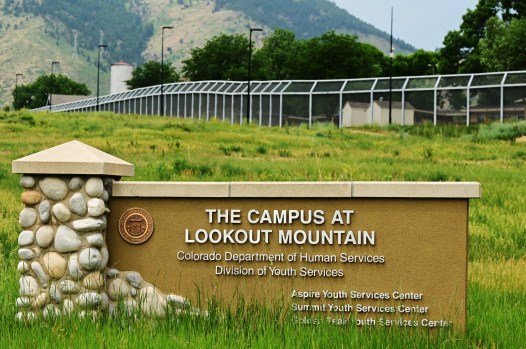
Staffing shortages at Colorado’s juvenile detention centers have reached critical levels, exposing both employees and young people to unsafe conditions. According to current and former staff members, the situation has become untenable, with many workers resigning due to overwhelming demands.
Carissa Wallace began her career at the Lookout Mountain Youth Services Center in Golden two years ago, motivated by a desire to help rehabilitate young offenders. Initially, she found fulfillment in her role, but the deteriorating staffing situation soon took a toll. Employees were routinely mandated to work 16-hour shifts multiple days a week due to severe shortages, leading to heightened anxiety and safety concerns. Wallace described feeling “mentally broken,” stating, “When I had to think about my safety every second of the day, I could no longer make a difference.”
The Colorado Division of Youth Services (DYS), which oversees 12 detention and commitment facilities, employs over 1,000 staff members, yet nearly 500 positions remain unfilled. Some centers, like the Mount View Youth Services Center in Lakewood, have reported a staggering 57% vacancy rate, according to data from June. At the Spring Creek Youth Services Center in Colorado Springs, nearly 10% of the staff were absent in November due to injuries sustained on the job.
Current and former staff have criticized leadership for failing to support employees. They claim management is disconnected from the realities on the ground, often looking to assign blame rather than provide assistance during crises. Kim Espinoza, a former employee, remarked, “The administration says they care, but their actions say otherwise.”
Newly appointed DYS director Alex Stojsavljevic acknowledged the difficulties of working in youth detention and emphasized the need for improvement in staff retention. He expressed a commitment to hiring candidates who fully understand the challenges of the role, aiming to create a more stable workforce. “Change is afoot in our department,” Stojsavljevic stated. “Just because we’ve done something for 20 or 30 years doesn’t mean we have to continue to do it that way.”
The staffing crisis is not unique to youth facilities; it reflects a broader issue within Colorado’s correctional institutions. A 2024 report by the Colorado Criminal Justice Reform Coalition highlighted that staffing shortages hinder essential services, including medical and mental health care for inmates. The report also revealed that the Colorado Department of Corrections has a 12.6% overall vacancy rate, with correctional officer roles experiencing an 11% vacancy.
The impact of these staffing shortages is significant. Employees are often forced into mandatory overtime, leading to burnout and high turnover rates. Wallace noted that almost every day for the past year, staff were required to work double shifts, resulting in critical staffing levels or below. State law mandates that juvenile detention facilities maintain a ratio of one staff member for every eight youths, but this standard is frequently unmet.
In some instances, staff reported that youths were required to help manage emergencies due to insufficient personnel. Violent incidents are common; records show that since January 1, 2023, the Lookout Mountain complex experienced 35 fights and 94 assaults. Additionally, police responded to the campus 77 times for various incidents, including assaults on staff.
Injuries among staff are prevalent, with reports of serious physical confrontations leading to hospital visits. Espinoza recounted her own experience of being injured during a restraint and was still required to report for duty. “If they’re gonna keep hiring women who can’t restrain teenage boys, people are going to get hurt,” she said.
Despite Stojsavljevic’s assurances that the division is prioritizing safety and staff welfare, many employees remain skeptical. They claim that management’s actions do not align with its stated priorities. The situation has led to a vicious cycle: high turnover exacerbates staffing shortages, which in turn increases the workload for remaining employees.
Wallace’s experience illustrates the toll this environment takes on workers. After transferring to the Platte Valley Youth Services Center, she encountered similar issues, including inadequate security measures and forced overtime. Ultimately, she decided to leave the division altogether, stating, “I couldn’t work for DYS anymore.”
As the crisis deepens, the implications extend beyond the staff. Wallace concluded, “At the end of the day, it’s the young people who suffer. I hope they make some changes because these boys deserve so much better than what they’re getting.”