
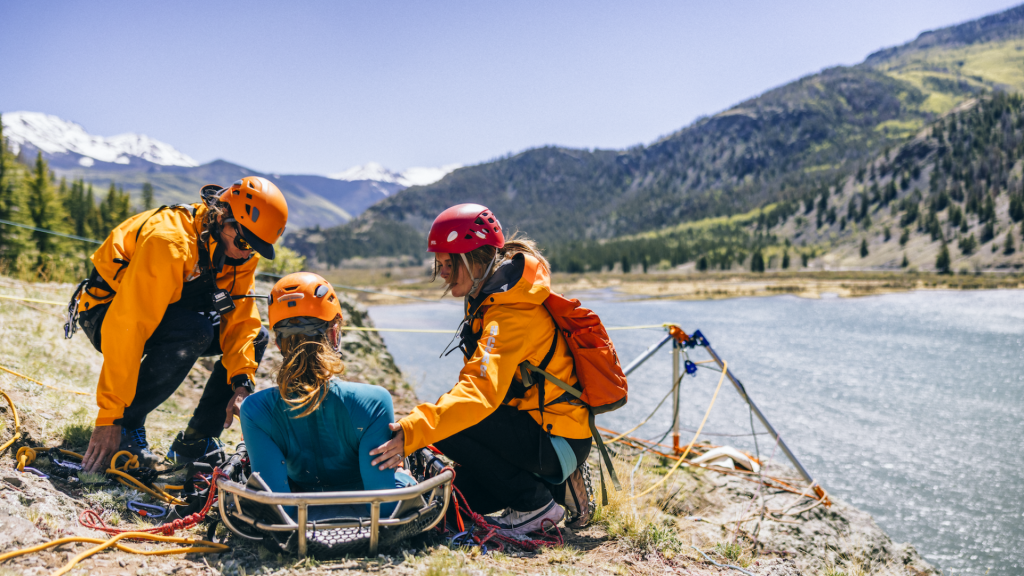
The role of civilians in search and rescue operations in Colorado raises important questions, particularly when it comes to finding missing loved ones or recovering deceased individuals. The Colorado Search and Rescue Association (CSRA) often receives inquiries about the involvement of spontaneous volunteers in these high-stakes scenarios. While the willingness to assist is commendable, the association clarifies that most search and rescue operations are best conducted by trained responders affiliated with established backcountry search and rescue teams.
In exceptional cases, spontaneous volunteers may be permitted to help. However, these instances are rare and come with significant risks. The majority of backcountry incidents require the expertise of professionals who have undergone extensive training. For example, in a recent incident involving a climber’s death on Capitol Peak, three members of Mountain Rescue Aspen were injured during efforts to recover the body. Such risks highlight the critical need for experienced teams to manage these operations safely and efficiently.
There are instances where friends and family members of victims opt to take on greater risks in their search for closure. In 2020, friends of two avalanche victims near Ophir Pass undertook a perilous search after a rescue team deemed the avalanche danger too high. Similarly, in 2021, friends of a Mountain Rescue Aspen member were allowed to recover his body following a kayaking accident, due to their superior skills in the water. Later that year, after a high-profile search for a missing hiker on Blanca Peak was suspended, the victim’s friends resumed the search and successfully located him.
Each of these cases had unique considerations. The group searching for the avalanche victims were experienced backcountry skiers who knowingly accepted the risks involved. After confirming the fatalities, they marked the locations and promptly notified the sheriff’s office. The friends of the Mountain Rescue Aspen member had advanced technical abilities that allowed them to conduct the recovery safely, working in tandem with search and rescue teams. In the case of the Blanca Peak hiker, his friends, who were seasoned mountaineers, believed their understanding of his climbing habits would aid in the search. Once they found him, they covered him and notified the authorities.
Despite these notable exceptions, the vast majority of backcountry search and rescue incidents in Colorado do not involve spontaneous volunteers. Untrained civilians can inadvertently increase risks for everyone involved. Their presence can lead to further accidents, lost individuals, and complications that may hinder professional rescuers. Additionally, civilians can disrupt search efforts by obscuring crucial evidence and making it difficult for search dogs to pick up scents.
It is particularly critical for civilians to steer clear of areas with visible air operations, such as medical transport or military helicopter activity. Those without training should avoid helicopters unless specifically invited by flight crews, as downwash and rotor blades can pose serious dangers.
Moreover, it is essential for well-meaning individuals to recognize that disturbing a deceased person or the surrounding area without authorization is illegal. While lifesaving medical procedures can be administered, law enforcement must investigate fatalities, which restricts actions until the scene is cleared. The county coroner holds jurisdiction over deceased individuals, including decisions about transport. Search and rescue teams coordinate with the coroner to manage the body until it can be transferred safely.
The desire to help in times of crisis is a testament to human compassion. As volunteer rescuers, members of the Colorado Search and Rescue Association understand this instinct. Nevertheless, their foremost commitment remains safety—both for the victims and their own team members.
Anna DeBattiste, program manager for public information and education fundraising at the Colorado Search and Rescue Association, emphasizes the importance of safety in these operations. While spontaneous volunteers may have the best intentions, it is crucial to prioritize the expertise and training of professional rescuers to ensure effective and safe operations in the challenging terrains of Colorado.