
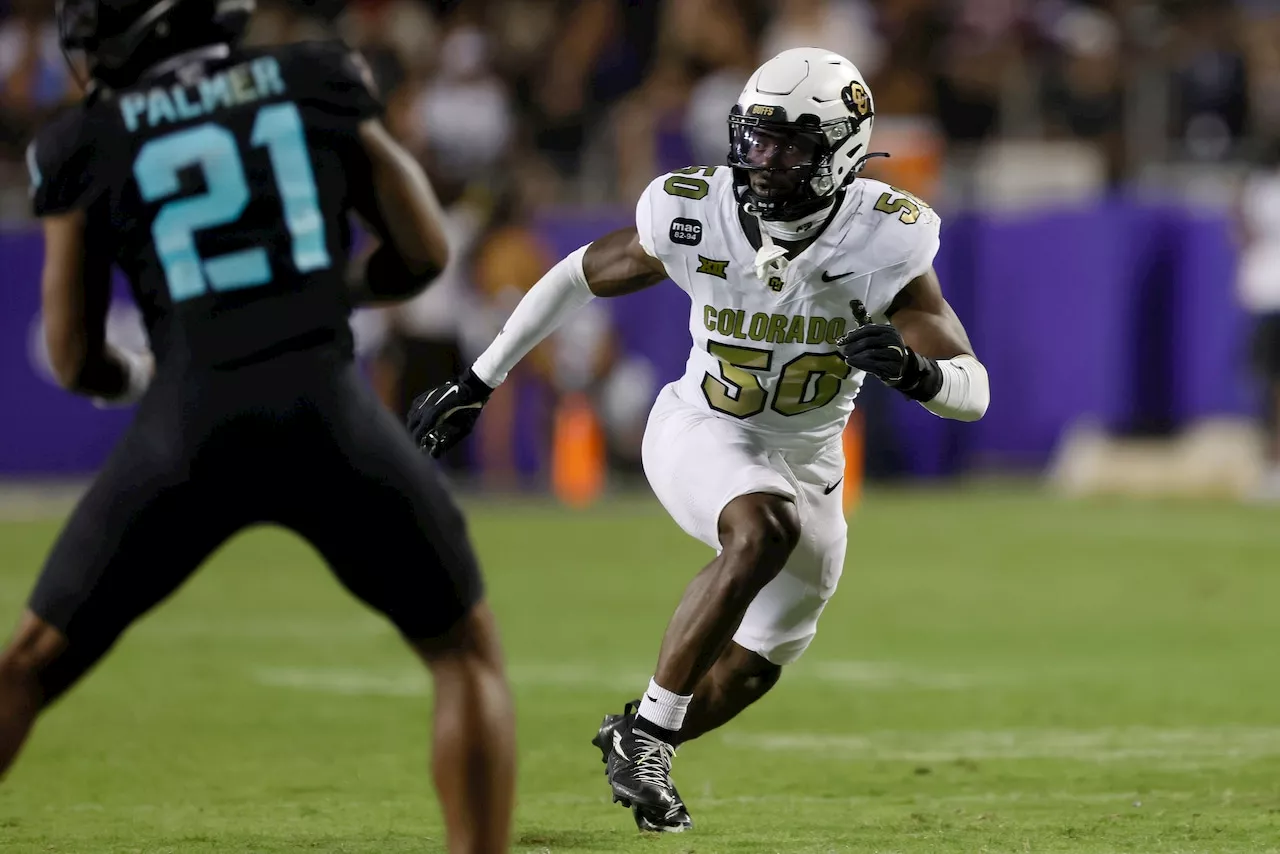
Colorado linebacker Reginald Hughes is taking significant legal steps to secure an additional year of eligibility. Hughes, a former standout at Jacksonville State, is pursuing an antitrust lawsuit against the NCAA, as confirmed by his agent, Hutton Reed, CEO of Package Deal Sports.
The lawsuit aims to challenge the NCAA’s policy that counts junior college seasons against a player’s eligibility in NCAA programs. Hughes transferred to Colorado from Jacksonville State prior to the 2025 season, with just one year of eligibility remaining. He had begun his collegiate career at Northwest Mississippi Community College before making his way to Colorado.
During the 2025 season, under the guidance of head coach Deion Sanders, Hughes played in 12 games, starting seven. He concluded the season with notable statistics, including 56 tackles, four quarterback hurries, and a fumble recovery. Prior to his time at Colorado, Hughes was recognized as a first-team All-Conference USA selection at Jacksonville State, where he achieved 83 tackles, 9.5 tackles for loss, 4.5 sacks, and six quarterback hurries.
Reed expressed optimism about the legal journey, stating, “Despite declaring, we are going through the process of obtaining this extra year. I feel very confident everything will work out.”
This legal endeavor follows a similar case involving Diego Pavia, a quarterback at Vanderbilt University. Pavia filed a lawsuit against the NCAA in November 2024, arguing that his time at the New Mexico Military Institute should not count against his eligibility. His case resulted in a preliminary injunction that allowed him to compete in the 2025 season.
Hughes’s lawsuit could potentially reshape the eligibility landscape for student-athletes, particularly those transitioning from junior colleges to NCAA programs. As this case unfolds, the implications may extend beyond Hughes, affecting the eligibility rights of countless athletes in similar situations.
The legal strategy Hughes is pursuing is garnering attention not only for its potential impact on his future but also on the broader conversation regarding NCAA regulations. Observers are keen to see how this case will influence policies regarding eligibility and the treatment of athletes transferring from junior colleges.
As the situation develops, stakeholders in college athletics will be closely monitoring the outcomes, which could set important precedents for how eligibility is determined in the future.