
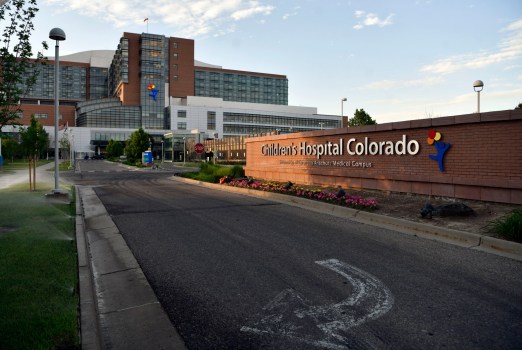
Children’s Hospital Colorado and Denver Health have temporarily suspended gender-affirming hormonal treatments for minors. This decision comes amidst uncertainty caused by new federal declarations regarding the safety and effectiveness of such care. Despite this suspension, transgender youth in Colorado can still access gender-affirming care through providers that do not rely on federal funding.
Mardi Moore, CEO of Rocky Mountain Equality, emphasized that although these hospitals are limiting their services, other providers remain available for youth seeking care. The hospitals have shifted focus to behavioral health support in light of the new regulations.
On December 18, 2023, Secretary of Health and Human Services Robert F. Kennedy Jr. announced a controversial declaration stating that gender-affirming care is “neither safe nor effective.” This announcement included threats to cut Medicare and Medicaid payments to hospitals administering such care, which could have dire financial implications.
Both Children’s Hospital Colorado and Denver Health confirmed that they would not issue new prescriptions or renew existing ones for puberty blockers or hormones aimed at gender affirmation. However, they clarified that puberty blockers for children with early sexual development will still be available. Notably, neither hospital performs gender-affirming surgeries on individuals under the age of 18.
Legal actions are already underway concerning this matter. Phil Weiser, Colorado’s Attorney General, announced on December 23 that the state would join a multistate lawsuit challenging Kennedy’s declaration. The lawsuit alleges that the declaration violates procedural rules and infringes upon state authority over medical care.
The federal government has a history of using Medicare funding to influence hospital practices, including previous efforts to enforce desegregation. While hospitals can technically refuse to treat Medicare and Medicaid patients, operating without these programs is impractical for most.
Major medical organizations continue to advocate for the use of puberty blockers and gender-affirming hormone therapy as essential options for youth experiencing gender dysphoria. The suspension of such treatments has raised concerns about access to critical health services. Denver Health stated, “These changes, which are made necessary by the actions of HHS, substantially affect access to critical health services. We are taking the appropriate steps to ensure our patients and families have the information they need at this time.”
Children’s Hospital, located in Aurora, confirmed its commitment to providing mental health care and other support services for patients under 18. However, they expressed reluctance to risk federal funding in the current legal climate.
The hospitals had previously suspended gender-affirming hormone therapy for minors in early 2025 due to a Trump administration order threatening funding cuts. They later reinstated their programs after a federal judge blocked that order.
Children’s Hospital is also facing scrutiny from the U.S. Department of Justice, which has issued a subpoena for records related to transgender patients. This includes sensitive information such as names and Social Security numbers—requests that have been dismissed by courts in other states.
In response to recent developments, Children’s Hospital characterized the federal referral for investigation as a “significant escalation” that complicates their ability to provide gender-affirming care. The hospital stated, “We recognize the anxiety and grief that this continued uncertainty around access to gender-affirming care creates for those who have shown unwavering dedication and commitment to supporting children in embracing their true selves.”
As the legal landscape evolves, the future of gender-affirming care for minors in Colorado remains uncertain. Parents and advocates are urging for clarity and access to essential health services for transgender youth, emphasizing the importance of expert medical care for their well-being.