
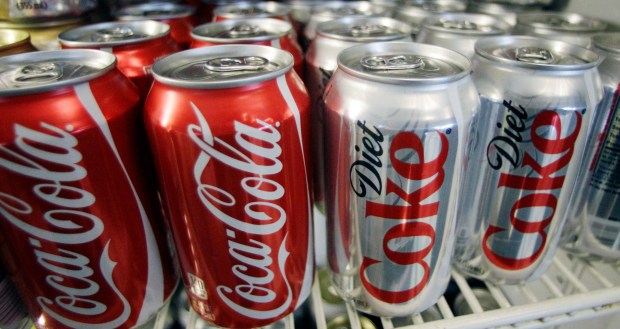
Colorado’s initiative to restrict the use of Supplemental Nutrition Assistance Program (SNAP) funds for purchasing soft drinks faces significant hurdles. During a recent meeting, the State Board of Human Services expressed skepticism about the proposal, which aims to limit the eligibility of sugary and artificially sweetened beverages starting on April 30, 2025.
Under the Colorado Healthy Choice Waiver, SNAP recipients would not be able to use benefits for drinks that contain sugar or artificial sweeteners, unless those products are milk, milk substitutes, or contain at least 50% fruit or vegetable juice. This regulation seeks to promote healthier choices among the approximately 600,000 individuals in Colorado who received around $120 million in SNAP benefits in 2025, half of whom are children.
The proposal has garnered support from Gov. Jared Polis and aligns with Health and Human Services Secretary Robert F. Kennedy Jr.‘s “Make America Healthy Again” initiative, which opposes added sugars. However, the board’s members raised concerns during the meeting, indicating that they might not approve the policy without further assurance regarding additional benefits for SNAP recipients, such as the ability to purchase hot, ready-to-eat foods.
Public Opposition and Board Concerns
Public feedback has largely opposed the changes, with many expressing worries about the potential confusion for families regarding which products would be covered by SNAP. Anjali Prasertong, SNAP electronic incentives manager at Nourish Colorado, highlighted the burden that retailers may face, noting that point-of-sale systems may not automatically update to reflect new purchasing rules. This could lead to grocery stores opting out of accepting SNAP benefits altogether, further limiting access to healthy food options.
During the board meeting, Mychael Dave, the board’s vice chairman, articulated concerns about increasing stigma for SNAP recipients. He emphasized that support for the proposal would only come if it included provisions that would provide something beneficial in return for vulnerable communities. His remarks echoed the sentiments of many board members who expressed discomfort with the idea of restricting access to beverages without clarity on additional benefits.
The proposed restrictions on soft drinks would not result in cost savings for the state, as recipients could redirect their spending to other food items. Although some small-scale studies suggest that individuals given restricted funds spent less on sweetened beverages, their overall diet quality remained largely unchanged. A simulation indicated that not allowing SNAP to cover sugary beverages could prevent approximately 279,000 cases of obesity and save $2.75 billion in healthcare costs nationwide, but comprehensive real-world evidence is still lacking.
Implications for SNAP Recipients
The board’s decision on the proposed change is scheduled for a vote in March. If the board declines to implement the restrictions, it remains unclear what alternative measures would be available. Some members have suggested that a more comprehensive approach could be beneficial, incorporating elements that would enhance food access for SNAP recipients.
Public comments during the meeting reflected a diverse array of opinions. Adriana Miranda, a SNAP recipient, voiced concerns that the proposed changes would limit beverage choices for her children, especially during sports activities. She emphasized the importance of considering the impact on families when introducing such policies.
Additionally, Dr. Michael Pramenko, a family physician in Grand Junction, expressed support for the restrictions, citing the link between sugary beverages and obesity-related health issues. He highlighted the responsibility of taxpayer money in subsidizing products that contribute to chronic diseases, reinforcing the argument for restricting SNAP funds for certain beverages.
The Colorado Department of Human Services has indicated that while the USDA has approved the sweetened-drink regulations, the implementation of the policy requires the board’s approval. As discussions continue, the outcome of this proposal may shape the future of SNAP benefits in Colorado and influence similar initiatives across the country.