
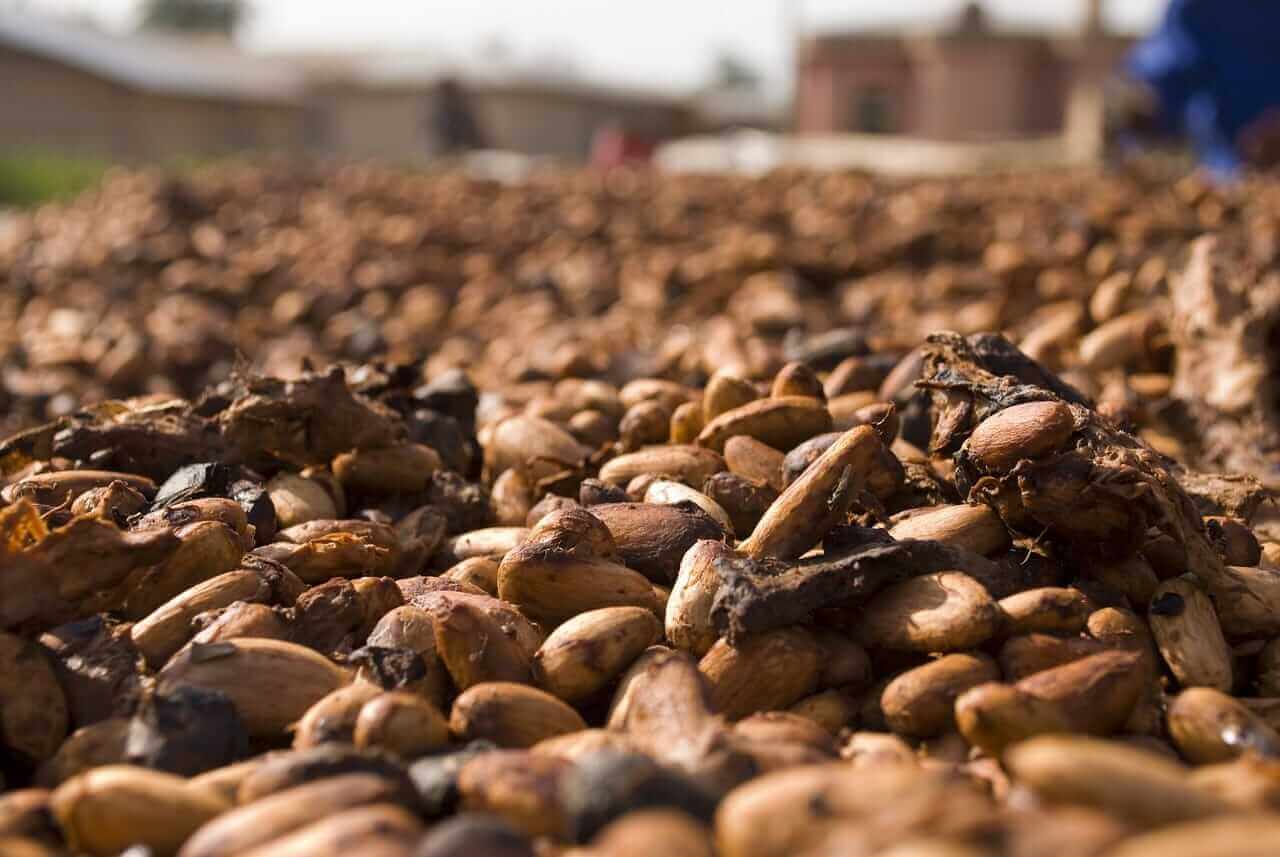
Cocoa prices have seen a significant decline as expectations of weak global demand weigh heavily on the market. On March 26, 2024, March ICE New York cocoa futures fell by $150 to $5,084 per metric ton, marking a decrease of 2.87%. Similarly, in London, March cocoa futures dropped by $96, closing at $3,738 per metric ton, a 2.51% dip. This continued downturn has pushed cocoa prices to their lowest levels in seven weeks.
The anticipated decline in cocoa demand is largely attributed to upcoming Q4 grinding figures, which are expected to reveal ongoing stagnation in consumption. Analysts project that European cocoa grindings for the fourth quarter will decrease by 2.9% year-on-year, reaching their lowest point for a fourth quarter in over a decade. In Asia, the decline is even more pronounced, with estimates suggesting a 12% drop compared to last year, marking a ten-year low.
Favorable weather conditions in the key cocoa-producing regions of Ivory Coast and Ghana have also contributed to the pressure on prices. The Tropical General Investments Group reported that improved growing conditions are likely to enhance the cocoa harvest for February and March. Farmers have noted larger and healthier pods than in the same period last year. According to Mondelez, the latest pod count indicates a 7% increase over the five-year average and is “materially higher” than the previous year’s crop.
Despite the supportive factors of declining shipments, the overall outlook remains bearish. The Ivory Coast, the world’s largest cocoa producer, shipped 1.13 million metric tons of cocoa to ports between October 1 and January 11, reflecting a 2.6% decrease from the previous year’s shipments of 1.16 million metric tons.
In addition to the diminishing demand, the International Cocoa Organization (ICCO) has adjusted its forecasts. On November 28, the ICCO lowered its estimate for the global cocoa surplus in the 2024/25 crop year to 49,000 metric tons, down from a previous estimate of 142,000 metric tons. This reduction followed an earlier adjustment to the global production estimate, which now stands at 4.69 million metric tons, down from 4.84 million metric tons.
The market dynamics are further complicated by regulatory developments. The European Parliament recently approved a one-year delay to the deforestation law, which affects cocoa imports and keeps supplies abundant. The EU regulation, known as the EUDR, aims to mitigate deforestation linked to the importation of commodities such as cocoa, and its postponement allows continued imports from areas experiencing deforestation.
Weak demand has been echoed across various regions. The Cocoa Association of Asia reported a staggering 17% year-on-year drop in cocoa grindings for Q3, reaching just 183,413 metric tons, the lowest for a third quarter in nine years. Meanwhile, the European Cocoa Association noted a 4.8% decline in Q3 grindings, totaling 337,353 metric tons, the lowest for the same period in a decade.
On a more positive note, lower production forecasts from Nigeria, the fifth-largest cocoa producer globally, may provide some support for cocoa prices. The country’s Cocoa Association projects an 11% decrease in production for the 2025/26 crop year, estimating output at 305,000 metric tons, down from 344,000 metric tons for the 2024/25 season.
As the market continues to grapple with these shifting dynamics, cocoa prices remain under pressure from weak demand and increased supplies, leading to a complex landscape for producers and consumers alike.