
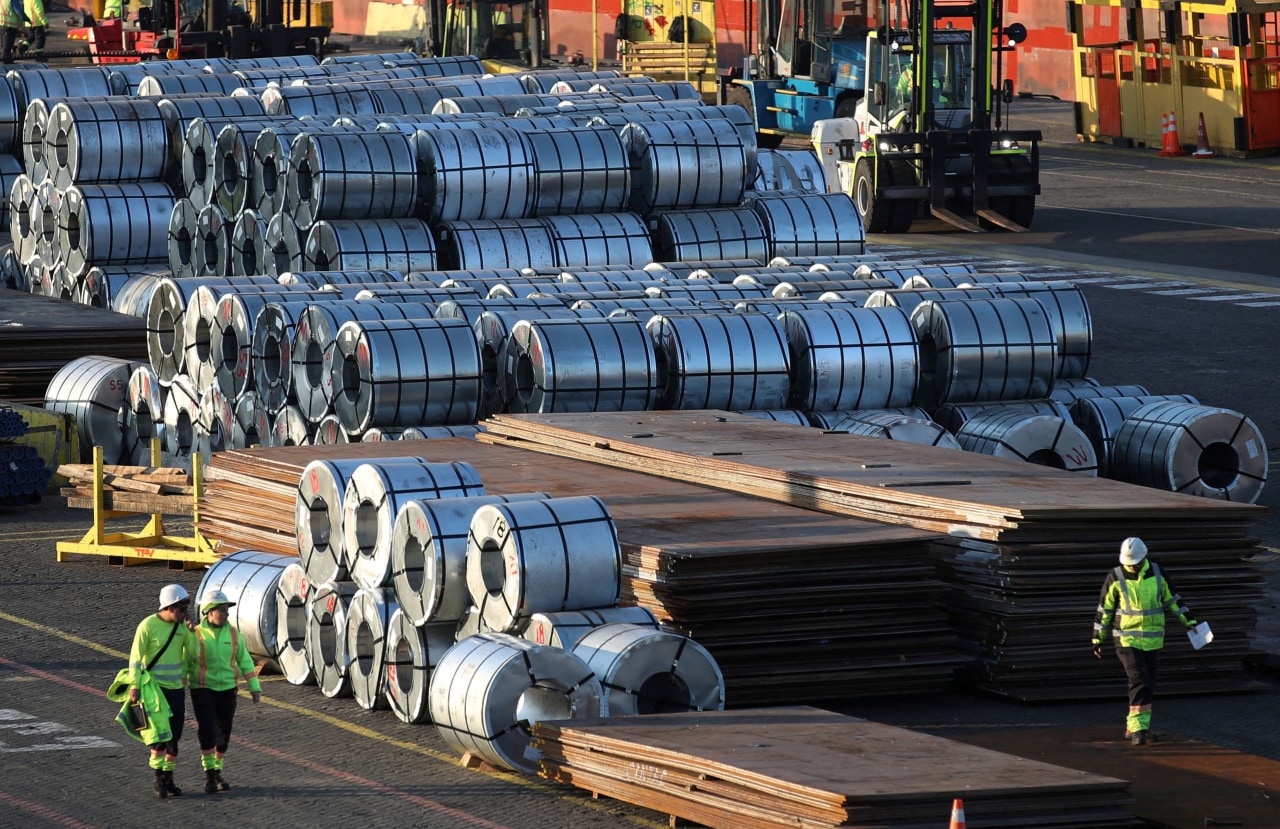
China has announced new export controls on certain steel products, effective from January 1, 2024. Exporters will be required to obtain permission from the government before shipping these materials. This move aims to regulate the domestic steel industry and influence international market dynamics.
The Ministry of Commerce stated that the policy seeks to ensure that China’s steel supply aligns with national interests and economic goals. Specific categories of steel products affected by this regulation have yet to be detailed, but the decision reflects broader trends in China’s trade practices.
This action comes as China grapples with fluctuations in its steel production and export levels. The country has been the world’s largest steel producer, contributing to approximately 56% of global output. The export controls are anticipated to impact not only domestic producers but also international buyers who rely on Chinese steel.
Analysts suggest these controls could lead to increased prices in the global steel market. With the demand for steel remaining strong in various sectors, including construction and manufacturing, stakeholders are closely monitoring how these changes will unfold. According to industry experts, the introduction of export permits could create additional bureaucracy for exporters, potentially delaying shipments.
As China implements this new policy, it may also influence trade relations with countries dependent on its steel exports. The World Steel Association has expressed concerns about potential supply chain disruptions and market volatility stemming from such regulatory changes.
Steel producers outside of China may benefit from the tighter export controls, as reduced availability of Chinese steel could create opportunities for local manufacturers. However, the long-term effects of these measures on global steel prices and supply chains remain uncertain.
The Chinese government has emphasized the importance of balancing domestic production with international obligations. As the situation develops, stakeholders across the steel industry will need to adapt to the new regulatory landscape while keeping a close eye on market trends and policy adjustments.