
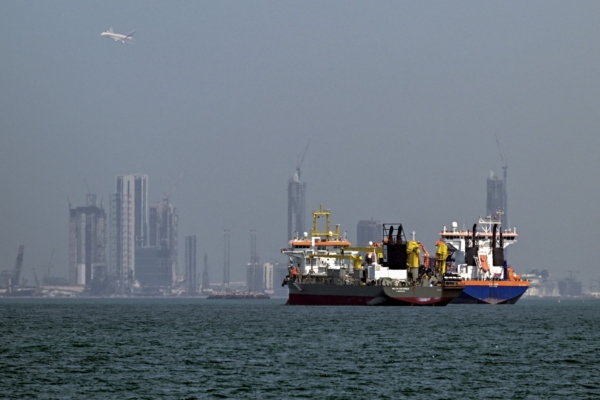
China continues to import Iranian crude oil through alternative routes designed to avoid the Strait of Hormuz, a crucial maritime chokepoint that is currently facing heightened military tensions. Several industry sources and analysts based in China have confirmed this development, providing insights on the conditions of anonymity due to concerns about repercussions.
One primary route for these shipments involves Iran’s southeastern port of Jask. This relatively new export terminal, located outside the Strait of Hormuz, allows oil tankers to load crude oil directly into the Gulf of Oman. By utilizing this route, China effectively circumvents the narrow waterway that has become increasingly perilous amid the ongoing conflict involving Iran.
According to a Chinese industry insider familiar with the China-Iran oil trade, shipments of Iranian oil to China have largely remained stable despite the rising tensions. The insider highlighted that the strategic shift to using alternative shipping routes has enabled China to maintain its oil imports without significant disruption.
Strategic Importance of Alternative Shipping Routes
The Strait of Hormuz has long been recognized as one of the world’s most critical maritime passages, with approximately one-fifth of global oil consumption transported through its waters. Due to its strategic importance, any threats to the security of this route can have significant implications for global energy markets.
By leveraging the Jask port, which is designed to facilitate direct access to the Gulf of Oman, Iran is adapting its oil export strategies to navigate geopolitical challenges. This port, which has been developed in recent years, enhances Iran’s capacity to export crude oil without relying on the vulnerable shipping lanes of the Strait.
The continuation of Iranian oil exports to China underscores a broader trend in global energy dynamics, where nations are increasingly seeking to diversify their import sources and routes. As tensions in the region persist, this strategic pivot may serve as a model for other countries navigating similar geopolitical landscapes.
Impact on Global Oil Markets
The implications of these developments extend beyond just the bilateral trade between China and Iran. The ability of China to secure Iranian oil through alternative routes could influence global oil prices, especially if tensions in the Strait of Hormuz escalate further. Analysts are closely monitoring these dynamics, as any disruption in supply could lead to volatility in energy markets worldwide.
Despite the challenges posed by international sanctions on Iran, China’s continued engagement in the Iranian oil sector demonstrates a commitment to securing energy resources. This relationship is critical for China’s energy security strategy, ensuring a steady supply of crude oil to meet its growing demand.
In conclusion, as China continues to import Iranian oil through alternative routes, the geopolitical landscape remains fluid. The situation in the Strait of Hormuz will be pivotal in shaping future energy supply chains, and the actions taken now could have lasting effects on global oil markets.