
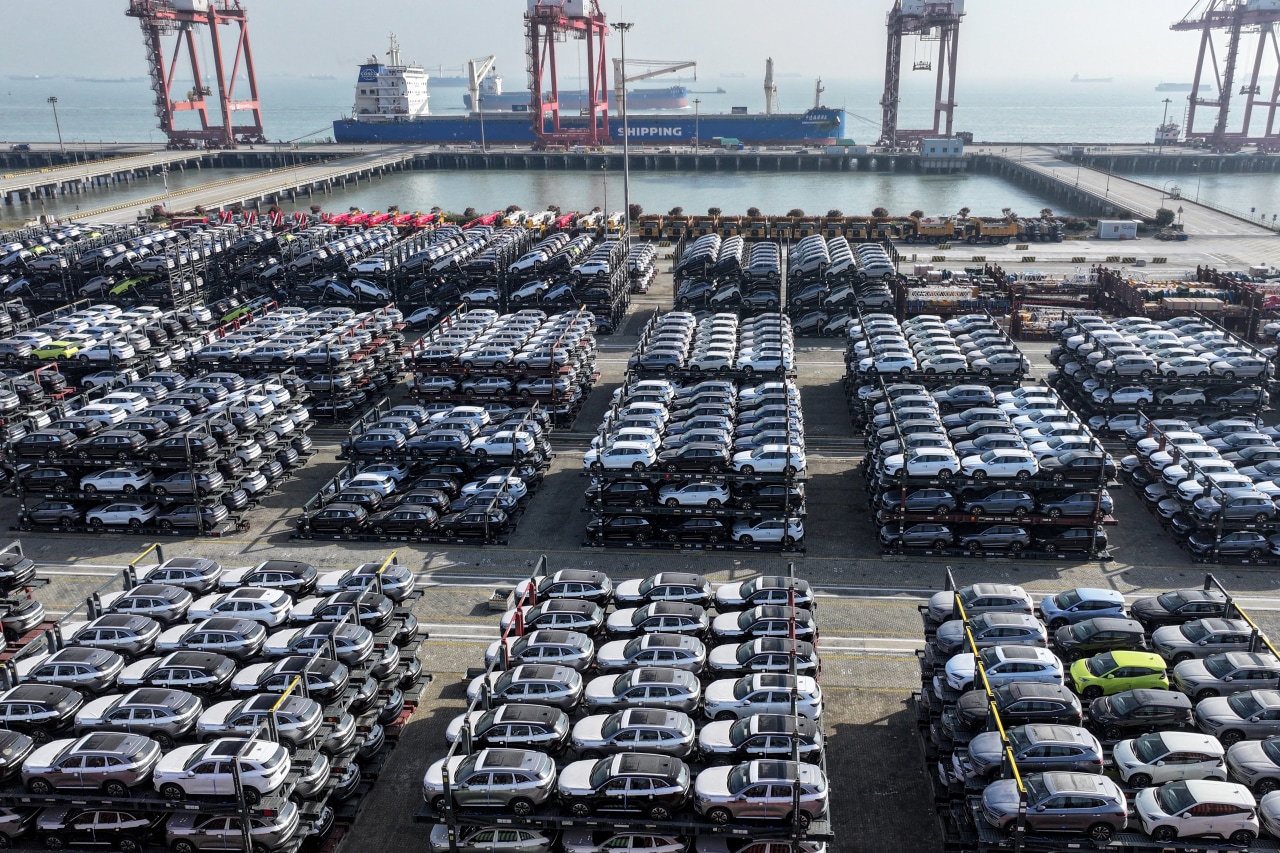
China’s Commerce Ministry has formally requested that Mexico address and amend what it describes as “unilateral, protectionist practices” related to recent tariff measures. This statement was issued on September 28, 2023, highlighting concerns that the tariffs imposed by the Latin American nation adversely affect Chinese economic interests.
The ministry emphasized that these tariff policies not only disrupt bilateral trade but also hinder cooperation between the two countries. China’s call for Mexico to rectify these measures underscores growing tensions within the trade relationship that has developed over recent years.
Details of the Dispute
The specific tariffs in question involve a range of goods that Mexico has recently subjected to increased duties. Although the Mexican government argues that these tariffs are necessary to protect local industries, China contends that such actions violate fair trade practices. According to the Commerce Ministry, these tariffs could lead to significant losses for Chinese exporters, potentially amounting to millions in lost revenue.
China’s position reflects broader concerns within the international trade community regarding protectionist measures. The ministry urged Mexico to reconsider its approach, advocating for a return to collaborative trade practices that benefit both nations.
In response, a spokesperson for the Mexican government reiterated its commitment to support domestic industries while emphasizing the need for balanced trade. This ongoing dialogue suggests that both countries are keen to avoid an escalation of trade hostilities.
Implications for Future Trade Relations
The implications of this tariff dispute extend beyond the immediate economic impact. As both countries navigate these tensions, the potential for a more structured dialogue emerges, which could lead to reforms beneficial for both sides. Trade experts suggest that resolving these issues is critical not only for Mexico and China but also for the larger Latin American and Asian markets.
The situation remains fluid, with stakeholders from both countries closely monitoring developments. As negotiations progress, it is likely that adjustments will be made to tariff structures to foster a more cooperative economic environment.
In conclusion, the request from China’s Commerce Ministry signals a critical juncture in Sino-Mexican trade relations. Both nations must weigh their economic strategies carefully to ensure a mutually beneficial outcome as they address these pressing concerns.