
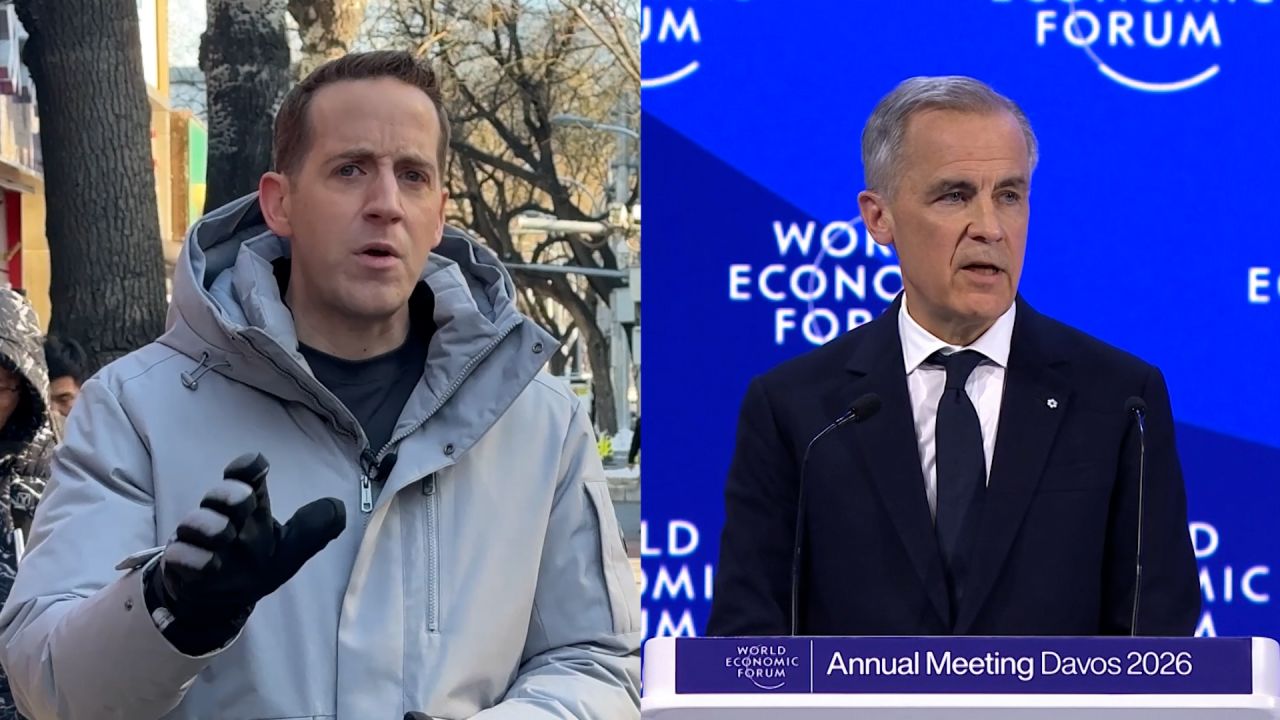
As global leaders convene at the annual Davos meeting in January 2023, China is actively promoting itself as a stabilizing force in international trade. This shift comes in the wake of escalating tensions, particularly as President Donald Trump has threatened to impose new tariffs on Europe and has made controversial remarks about acquiring Greenland.
The backdrop of this year’s Davos forum highlights China’s strategic positioning. In recent years, the nation has sought to enhance its global influence, especially amid a climate of uncertainty surrounding Western trade policies. Mike Valerio from CNN, reporting from Beijing, notes that China’s leaders are seizing the opportunity to offer alternatives to the current trade dynamics.
China’s Strategic Messaging
At this year’s gathering, Chinese officials are emphasizing their commitment to free trade and multilateral cooperation. They aim to counteract the perception of instability that may arise from Western political maneuvers. The Chinese delegation has signaled readiness to engage constructively with other nations, promoting initiatives that may foster economic growth and stability.
In a series of meetings with European leaders, China has proposed collaborative frameworks that could potentially benefit both sides. These discussions reflect a broader strategy to position China as a reliable partner in the global economy. Valerio highlights that several Western leaders are responding positively to these overtures, recognizing the potential for mutual benefit.
China’s focus on trade stability is particularly significant given the current geopolitical landscape. With the European Union grappling with its own economic challenges, Chinese proposals may resonate more strongly than in previous years. The urgency for stable trade arrangements is evident, as nations seek to navigate a complex global marketplace.
Implications for Global Trade
The implications of China’s enhanced role at Davos extend beyond its immediate offers. By positioning itself as an advocate for free trade, China is attempting to reshape the narrative around its economic practices. This comes as part of a broader strategy to alleviate criticisms regarding its trade policies and practices.
According to Valerio, the shift in focus also serves to highlight the potential vulnerabilities of Western economies in the face of rising tensions. As the world witnesses changes in trade relationships, China’s emphasis on cooperation could provide it with leverage in negotiations.
As the discussions unfold at Davos, the world will be watching closely to see how these dynamics evolve. The Chinese government’s ability to attract Western interest could redefine alliances and economic frameworks in the years to come.
In conclusion, China is actively positioning itself as a stabilizer in the global trade landscape amid a backdrop of uncertainty and shifting policies from the West. The developments at Davos could mark a significant moment in the ongoing evolution of international economic relations, with potential long-term impacts on global trade practices.