
The Chicago Bulls have finalized their first trade of the 2026 season, engaging in a three-team deal with the Sacramento Kings and Cleveland Cavaliers. Following their recent game against the Miami Heat, the Bulls have acquired two valuable second-round draft picks and veteran player Dario Saric as part of the transaction. The details of the trade were first reported by ESPN‘s Shams Charania and later confirmed by The Athletic‘s Sam Amick.
In this deal, the Cavaliers will send De’Andre Hunter to the Kings in exchange for Dennis Schroder and Keon Ellis. The Bulls will absorb Saric’s salary of $5.4 million into their Traded Player Exception, which was created during last season’s deal involving Zach LaVine. To accommodate Saric on their roster, the Bulls are expected to waive Jevon Carter, allowing them to maintain a full roster of 15 players.
Strategic Move for Future Draft Capital
The Bulls will receive a 2027 second-round pick from the Cavaliers and a 2029 second-round pick from the Kings. Notably, the 2027 pick originally belonged to the Denver Nuggets, while the Kings’ pick is currently considered the least favorable of those from Detroit, Milwaukee, and New York. This trade enhances the Bulls’ collection of future draft assets, bringing their total to seven second-round picks.
While the Bulls’ involvement in this trade may seem minimal, it signals a potential shift in their strategy. Over recent weeks, speculation has intensified regarding the direction the Bulls might take as the trade deadline approaches. Many analysts have suggested that a rebuild could be in the team’s best interest. However, this trade suggests that the Bulls are open to utilizing their current flexibility to enhance their long-term prospects.
Implications for the Chicago Bulls
The decision to facilitate this trade for the sake of acquiring draft picks reflects a growing awareness of the team’s position within the league. This savvy approach mirrors strategies employed by teams in rebuilding phases. Although it does not definitively indicate a full-scale rebuild for the Bulls, it does reveal a willingness to capitalize on opportunities to improve their future standing.
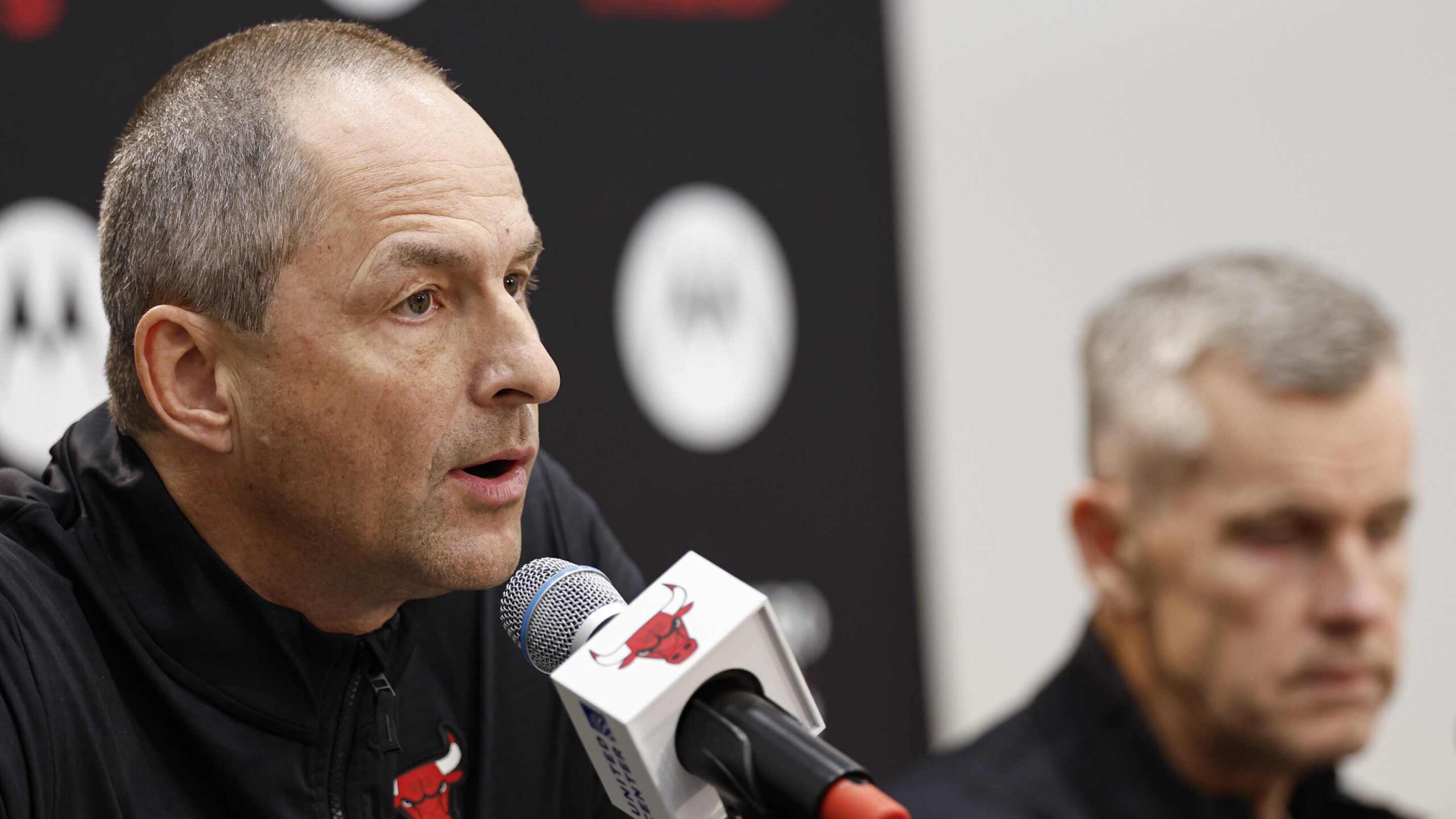
As Arturas Karnisovas, the Bulls’ executive vice president of basketball operations, navigates this pivotal period, the team’s actions are likely to attract attention from other franchises. The Bulls’ ability to adapt and respond to the dynamic landscape of the league is commendable, and their latest move is a testament to their commitment to building a competitive future.
In summary, while the trade may seem like a minor adjustment, it showcases the Bulls’ strategic foresight. This kind of transaction could very well reshape their trajectory in the coming seasons, proving that prudent decision-making can yield significant rewards.