
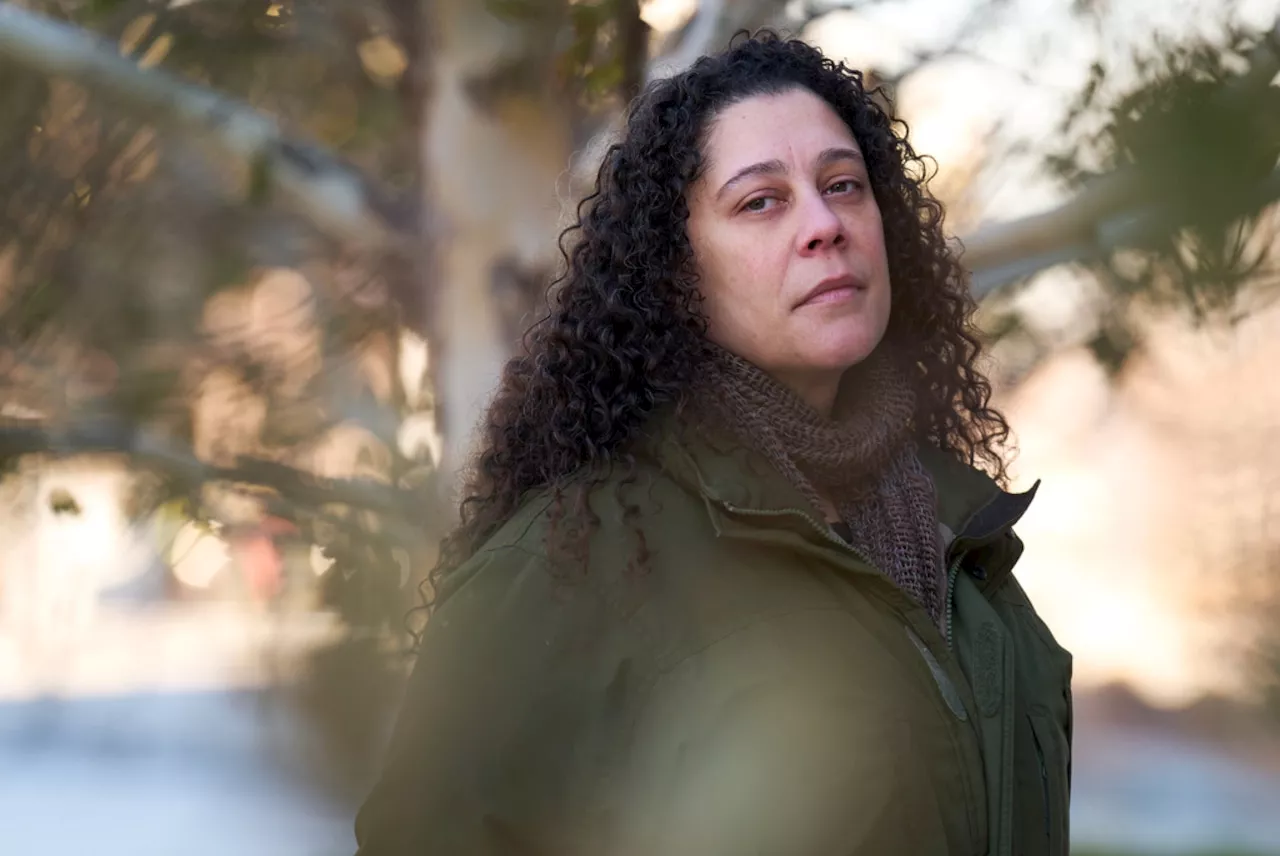
The case of Sidney Reid, who was arrested during a protest against immigration detention, has drawn significant attention following the dismissal of felony assault charges against her. Reid’s arrest, which occurred in Washington on December 16, 2025, highlighted ongoing concerns about prosecutorial conduct and the treatment of protest-related arrests by the Department of Justice.
Initially, Reid faced serious accusations of felony assault, alleged to have injured a federal officer during a demonstration in July. However, body camera footage revealed that the injuries sustained by the officer were self-inflicted, occurring when the agent scratched their hand on a wall while interacting with Reid. This evidence led grand jurors to decline to indict Reid thrice, prompting prosecutors to subsequently charge her with a misdemeanor instead.
Reflecting on her ordeal, Reid expressed deep frustration, stating, “It seemed like my life was just going to be taken away from me. It broke my heart because this is supposed to be a good and fair country, and I did not see anything surrounding my case that was good or fair at all for anybody.” Her case has become emblematic of broader issues regarding the Justice Department’s aggressive stance on protest-related incidents, particularly in relation to the charging of individuals accused of assaulting federal officers.
Concerns Over Prosecutorial Approach
Under the direction of the Trump administration, the Justice Department was reported to have instructed prosecutors to charge individuals accused of assaulting federal officers “with the highest provable offense available under the law.” In a statement, Bondi, a spokesperson for the department, emphasized a commitment to holding offenders accountable, declaring that they would face “severe consequences.” Nonetheless, an analysis by the Associated Press indicated a troubling trend: of 166 federal criminal cases examined since May, many charged with felony assault saw their charges reduced or dismissed.
Specifically, of the 100 individuals initially charged with felonies, 55 had their charges downgraded to misdemeanors or were dismissed altogether. Only 23 individuals pleaded guilty, often to lesser charges that resulted in minimal or no jail time. The analysis also revealed that over 40% of the cases involved relatively minor misdemeanors, challenging claims that individuals accused were domestic terrorists.
Legal experts, including Mary McCord, a former federal prosecutor and director at the Georgetown University Law Center, have raised concerns regarding the government’s approach to these protests. McCord remarked that the data suggests a lack of respect for First Amendment rights, with the government appearing to aim to deter protests against immigration policies.
Mixed Outcomes and Legal Implications
The Justice Department has faced scrutiny for its handling of cases related to protests. Some defendants have experienced significant legal repercussions, including extended periods of detention that jeopardized their employment and family stability. For instance, Reid spent two days in jail before the charges against her were eventually dropped.
Former prosecutors have noted that the aggressive prosecution tactics often do not yield the intended results, as evidenced by the department losing multiple cases in court. This raises questions about the strength of the evidence and the motivations behind pursuing such charges. Ronald W. Chapman II, a defense attorney with extensive federal court experience, emphasized that the department’s failure to secure convictions in such cases is conspicuous.
In addition to Reid, multiple other defendants have found themselves in similar situations, with charges brought against them often reduced or dismissed after evidentiary reviews. For example, Marimar Martinez, charged with assaulting a federal officer, had her case dismissed after video evidence contradicted the official narrative, demonstrating that federal agents had acted aggressively.
The Justice Department maintains its stance on prosecuting those who allegedly pose a threat to federal officers. Natalie Baldassarre, a department spokesperson, reiterated that the department “will not tolerate any violence directed toward our brave law enforcement officials.” The implications of this approach raise significant concerns about the balance between maintaining public safety and upholding constitutional rights.
As ongoing protests continue to unfold across various cities, the handling of these cases will likely serve as a litmus test for the Justice Department’s commitment to fair and just legal practices. The outcomes of these prosecutions may influence both public perception and the future of protest-related legal actions in the United States.