
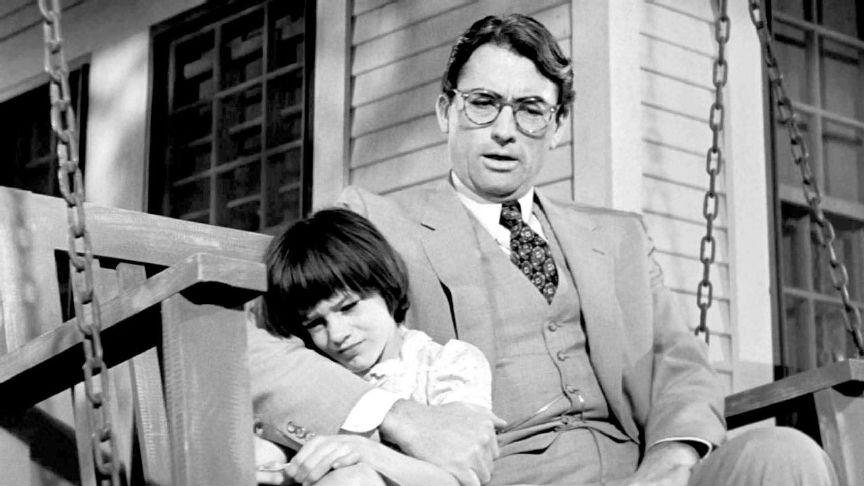
Cinema’s magic has a profound ability to shape our lives, as highlighted by the recent passing of acclaimed actor Robert Duvall on February 15, 2026. Duvall, known for his roles in iconic films such as “The Godfather” and “The Great Santini,” began his career in the unforgettable classic “To Kill a Mockingbird.” This film, much like many others, serves as a poignant reminder of the power of storytelling in cinema.
Reflecting on personal experiences with film can evoke a range of emotions, from joy to nostalgia. The journey through cinema often starts at a young age, where early encounters spark a lifelong appreciation for movies. For many, the first visit to a movie theater becomes a cherished memory, a moment where imagination takes flight.
Personal Connections to Iconic Films
Many individuals recall their first cinematic experiences with vivid detail, often associated with family and significant life events. For one writer, the experience of watching “To Kill a Mockingbird” as a child in a darkened theater left an indelible mark. The film’s narrative, rich with themes of morality and social justice, resonated deeply, even if the complexities of its message were not fully understood at the time.
Similar sentiments are echoed by film enthusiasts across generations. A daughter’s first encounter with “Star Wars” exemplifies how films can bring families together. The excitement of sitting in the front row, fully immersed in another galaxy, highlights how these shared moments become part of family lore.
Movies like “E.T.” and “The Wizard of Oz” also feature prominently in personal narratives, showcasing how they evoke strong emotional responses. The thrill of adventure and the bittersweet moments of loss create lasting impressions that shape individual perspectives.
Influence of Film on Lives and Careers
Beyond personal enjoyment, films often influence career paths and personal interests. For instance, a young viewer’s fascination with “Cars” transitioned into a passion for motorsports, demonstrating how a simple film can ignite a lifelong interest. Similarly, the theatrical release of “The Avengers” sparked a newfound appreciation for the cinematic experience, illustrating the transformative power of film.
The impact of film extends beyond the theater. Many find that certain movies resonate with their identities and experiences. For instance, Aislin Tweedy found significance in films like “Brother Bear,” which offered representation during her formative years, cultivating her love for storytelling and journalism. These connections reveal how cinema serves as a mirror reflecting the diverse tapestry of human experience.
In conversations about favorite films, it becomes clear that the magic of cinema is not confined to the screen. It flows into daily life, influencing relationships and shaping memories. As people share their movie memories, a communal narrative emerges, illustrating cinema’s role as a shared cultural experience.
As the industry faces evolving challenges, the urgency to support cinema becomes ever more critical. The reported decline in theater attendance raises questions about the future of film viewing. Yet, the enduring love for movies suggests that their importance in our lives remains strong.
Films have the power to transport us away from reality, providing respite from daily struggles. They can inspire laughter, provoke thought, and foster connection. As we reflect on our own movie memories, we are reminded of the unique and personal ways in which films impact our lives.
Jeanne Huff, editor at The Astorian, invites readers to share their own cinematic experiences, promising a potential sequel to this celebration of film. As the conversation continues, it becomes apparent that the magic of movies endures, inviting new generations to create their own unforgettable moments.