
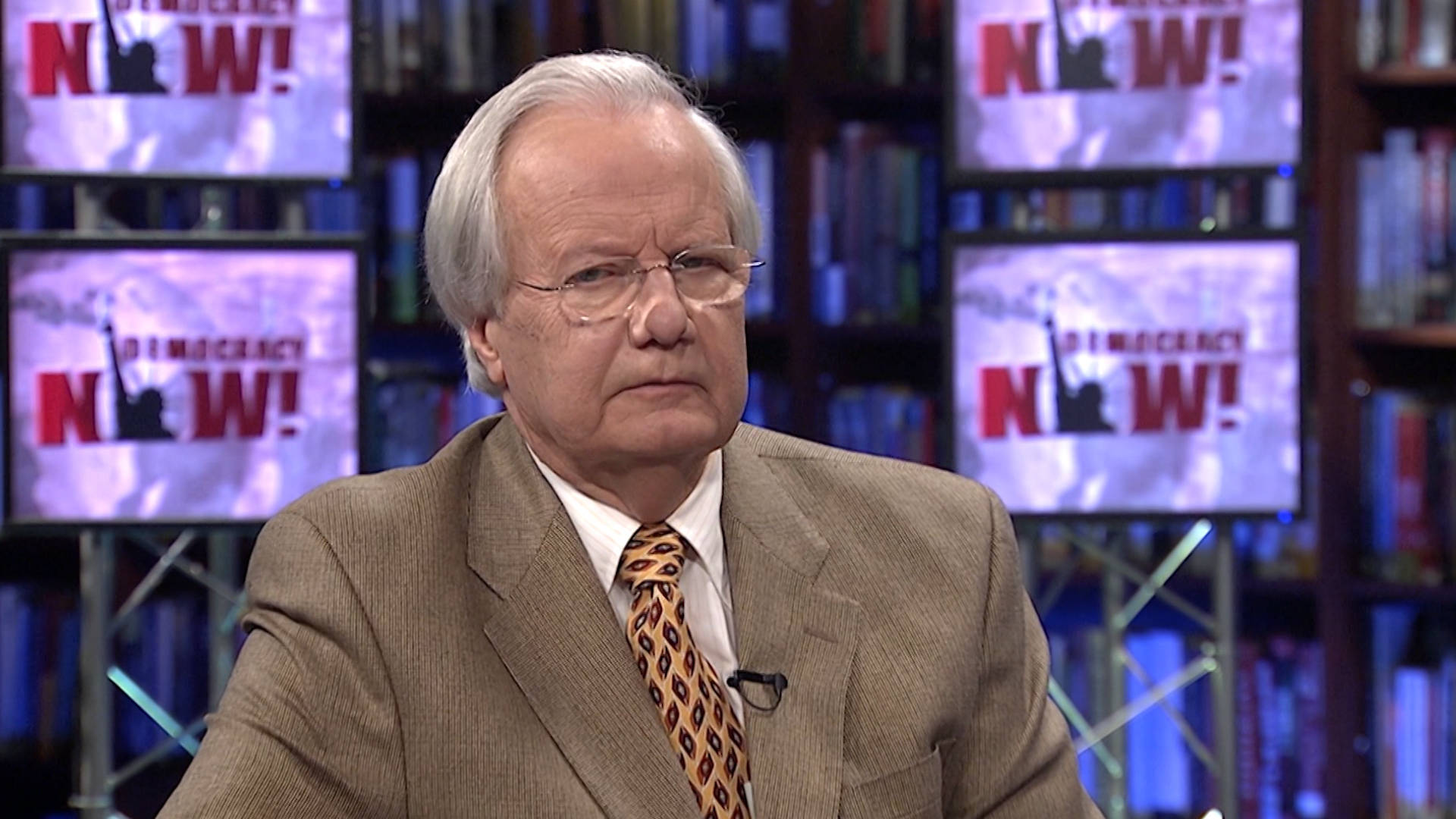
The renowned journalist Bill Moyers passed away in June 2023 at the age of 91, leaving behind a legacy that profoundly shaped public broadcasting in the United States. Throughout his distinguished career, Moyers made significant contributions to independent media, including co-founding the Peace Corps and serving as press secretary to President Lyndon Johnson.
Legacy of Advocacy for Public Media
Moyers was celebrated for his unwavering commitment to public television. His work at the Public Broadcasting Service (PBS) highlighted the importance of independent journalism and the need for a media landscape free from corporate influence. His interviews and discussions often emphasized the critical role that public broadcasting plays in a democratic society.
In a significant 2011 interview with Democracy Now!, Moyers expressed deep concern about the impact of corporate funding on media integrity. He stated, “The power of money trumps the power of democracy today, and I’m very worried about it.” This sentiment resonated with many who share his concerns about the state of media today.
Moyers’ career spanned several decades, during which he received numerous awards for his contributions to journalism. His documentary series and commentary often focused on issues of social justice, political corruption, and the need for a more equitable society. He brought to light the stories and voices that often went unheard, advocating for transparency in governance and accountability from those in power.
Impact on Journalism and Society
The impact of Moyers’ work extends beyond his lifetime. He was instrumental in shaping the discourse around media responsibility and the necessity for public broadcasting as a counterbalance to corporate narratives. His interviews not only informed the public but also engaged audiences in critical discussions about democracy and civic responsibility.
In the wake of his passing, many media professionals and public figures have shared their tributes, recognizing Moyers as a stalwart defender of journalistic integrity. His legacy will undoubtedly inspire future generations of journalists to uphold the values of honesty, rigor, and public service in their work.
As society navigates an increasingly complex media landscape, Moyers’ insights serve as a reminder of the essential role that public broadcasting plays in fostering informed citizens and a healthy democracy. His voice will be missed, but his contributions to journalism and public discourse will continue to resonate.