
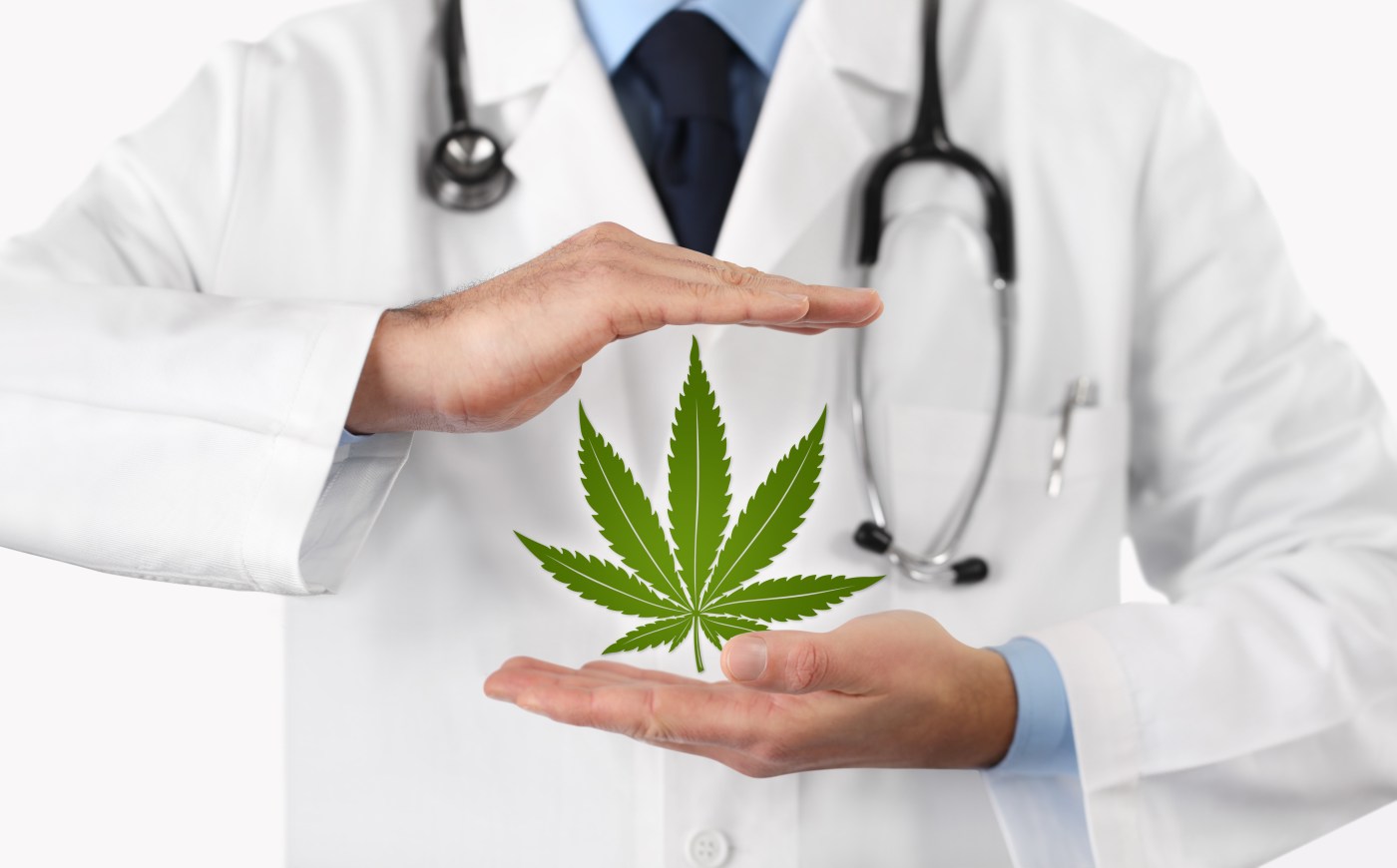
As we approach 2026, cannabis has firmly established itself in the wellness sector, evolving from a symbol of counterculture to a reputable tool for health enhancement. The plant is no longer just associated with recreational use; it has become integral to modern self-care and holistic living. This transformation reflects a broader cultural shift, where cannabis is viewed as a key component in managing physical, mental, and emotional well-being.
Cannabis’s integration into personalized wellness routines marks a significant change. Consumers are moving away from a generic approach to health and are now utilizing data-driven insights and expert guidance. This tailored cannabis use addresses specific needs such as anxiety relief, chronic pain management, sleep enhancement, and mood stabilization. Healthcare professionals and wellness practitioners are increasingly recognizing cannabis as a versatile tool that complements traditional practices like yoga, meditation, and nutrition.
The market’s response to this shift is evident in the surge of cannabis-infused wellness products. In 2026, offerings extend far beyond traditional cannabis forms, such as flower and vape pens. Innovative products now include cannabinoid-enhanced skincare designed to combat inflammation and signs of aging, as well as functional beverages aimed at promoting calm focus or deep relaxation. Nutritional supplements supporting the body’s endocannabinoid system are also gaining popularity, reflecting a sophisticated demand from today’s health-conscious consumers.
Research highlights the holistic impact of cannabis on overall wellness. Cannabinoids interact with the body’s endocannabinoid system, which is crucial for regulating mood, appetite, sleep, and immune function. Such findings position cannabis as a natural ally in preventative health rather than merely a reactive treatment option.
New Experiences and Cultural Shifts
Cannabis is also enhancing wellness experiences across various settings. Wellness retreats, spas, and fitness studios increasingly incorporate cannabis-based therapies into their offerings. From cannabinoid-infused massage oils to guided meditation sessions complemented by microdosing, these experiences cater to a growing demographic eager to explore alternative pathways to well-being.
Beyond consumer trends, cannabis is influencing broader cultural attitudes towards health and self-care. It fosters a more compassionate and mindful approach to managing stress and chronic conditions, prioritizing mental health alongside physical wellness. This evolving perspective encourages individuals to seek balance in their lives, promoting quality of life in a holistic manner.
Despite the progress, challenges persist. Regulatory complexities and the need for more robust scientific validation remain hurdles in the path of widespread cannabis acceptance in wellness. Nevertheless, the advancements in 2026 are significant. Cannabis is no longer sidelined; it is at the forefront of wellness innovation.
This evolution does not suggest a replacement of traditional medicine but rather a complementary role, offering new tools, experiences, and insights for achieving a balanced and vibrant life. The green revolution in wellness is gaining momentum, reshaping how individuals approach health in profound ways.