
The Campbell Soup Company recently terminated Martin Bally, its former Vice President and Chief Information Security Officer, following a lawsuit that disclosed controversial remarks made by him. Bally’s comments, in which he described the company’s soups as being produced for “poor people” using “bioengineered meat” and chicken sourced from a “3-D printer,” sparked considerable backlash. While Campbell’s has categorically denied utilizing such products, the reality of cultivated meat is indeed emerging in the marketplace.
One prominent player in this field is Mission Barns, a company that specializes in lab-grown pork. It is among a select group of U.S. firms that have received clearance from the Food and Drug Administration (FDA) to market cultivated pork fat, making it the first of its kind to achieve this milestone. Other notable companies in the cultivated meat sector include Believer Meats, Good Meat, Upside Foods, and Wildtype, which focus on cultivated chicken and salmon.
The Process Behind Cultivated Pork
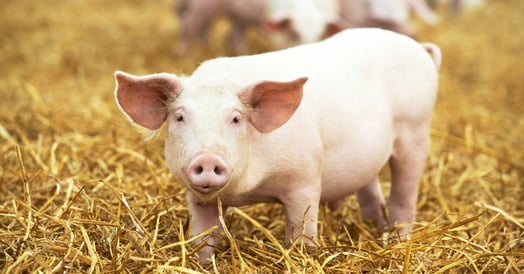
Mission Barns utilizes bioreactors to grow fat samples derived from Dawn, a Yorkshire pig residing in a sanctuary in upstate New York. This process involves replicating the nutrients found in a pig’s body to create meat products that closely resemble traditional pork. The outcome includes offerings such as meatballs, bacon, and sausage, which have been described by Grist reporter Matt Simon as “Diet Meat”—similar in taste but with a slightly altered texture.
Consumers may wonder why cultivated meat products are appealing. They offer a solution for individuals who wish to consume meat without the ethical implications of animal slaughter. Additionally, these products provide an alternative for those seeking more sustainable meat consumption methods, particularly in comparison to conventional agricultural practices. Some even speculate about the possibility of tasting meat from extinct species, such as woolly mammoths, if cultivated technologies advance further.
Challenges in the Cultivated Meat Market
Despite the potential benefits, scaling up production of cultivated meat remains a significant hurdle. Currently, these products are not widely available and are primarily found in a limited number of restaurants and a grocery store in Berkeley, California, where an eight-pack of meatballs retails for approximately $14. This price point suggests that cultivated meat is still a premium product, unlikely to feature in affordable items like canned soups.
Political opposition and public perception also pose challenges for the industry. As cultivated meat continues to gain traction, the environmental impact and sustainability of these products remain areas of active research and debate. The uncertainty surrounding these factors complicates the narrative about whether cultivated meat truly represents a more sustainable choice.
As the market for cultivated meat evolves, the story of Martin Bally and Campbell’s highlights the complexities and challenges facing this emerging industry. The future of meat consumption may be changing, but the path forward will require overcoming both logistical and societal barriers.