
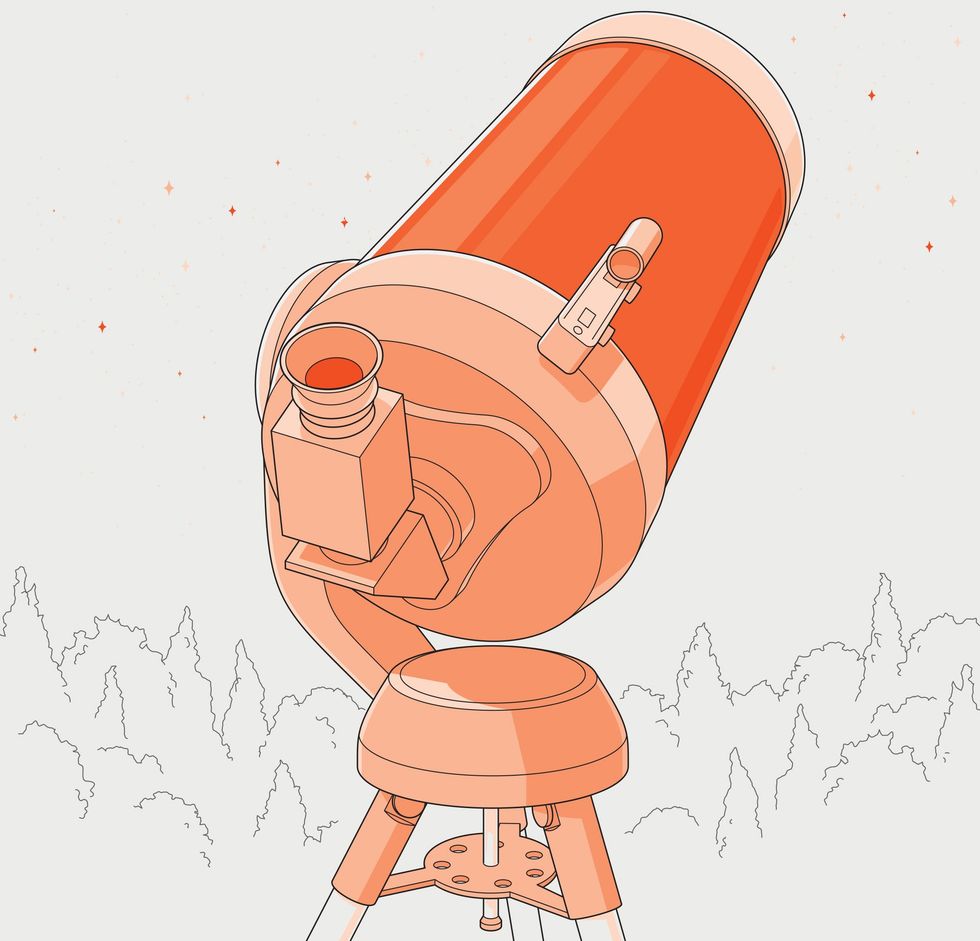
Amateur astronomers can now enhance their stargazing experience with a new, affordable DIY amplifying eyepiece developed by James Provost. This innovative device allows users to observe stunning astronomical objects such as nebulae and galaxies without the hefty price tag typically associated with commercial products, which can range from hundreds to thousands of dollars. Provost’s creation offers a practical solution for those participating in community astronomy events.
Leveraging Security Camera Technology
Provost’s journey began with a simple goal: to create a low-cost, effective eyepiece for public observation nights. He quickly discovered that the security camera industry provided a wealth of components suitable for low-light conditions. These cameras utilize technology designed to capture clear images in dim environments, which is ideal for stargazing.
The key innovation came from using a CMOS image sensor module, which combines a 2-megapixel Sony IMX307 sensor with an NVP2441 chipset. This combination supports a feature known as Sens-Up mode, enhancing the camera’s sensitivity to light. While the exposure time of approximately 1.2 seconds may lead to choppy video in security settings, it is perfectly acceptable for capturing the beauty of the night sky.
Provost faced challenges in sourcing the right components, ultimately testing multiple modules before finding a suitable one. The final design integrates a digital viewfinder that displays both video output and control menus, allowing for seamless navigation.
A Cost-Effective Stargazing Solution
The entire project was completed for under USD $250, demonstrating that advanced technology can be accessible to all. Provost housed the components in a custom enclosure made from 3D-printed parts, which fits most telescope eyepieces with a diameter of 32 millimeters. This design allows for easy mounting on various telescopes.
Testing the eyepiece with his Celestron C11 telescope, Provost was able to observe the Dumbbell Nebula, also known as Messier 27. He noted a significant improvement in brightness compared to traditional naked-eye observations. While the results may not match those of commercial products equipped with advanced features, the enhancement was substantial given the low investment.
The versatility of the amplifying eyepiece further elevates its utility. When detached from the telescope and fitted with a 2.8-mm HD lens, it transforms into a night-vision camera, allowing users to navigate dark outdoor conditions effectively.
This innovative project not only demonstrates the potential of repurposing technology from unrelated fields but also emphasizes the importance of making astronomy more accessible. By building a DIY amplifying eyepiece, Provost has opened new avenues for amateur astronomers and the general public to explore the wonders of the universe.