
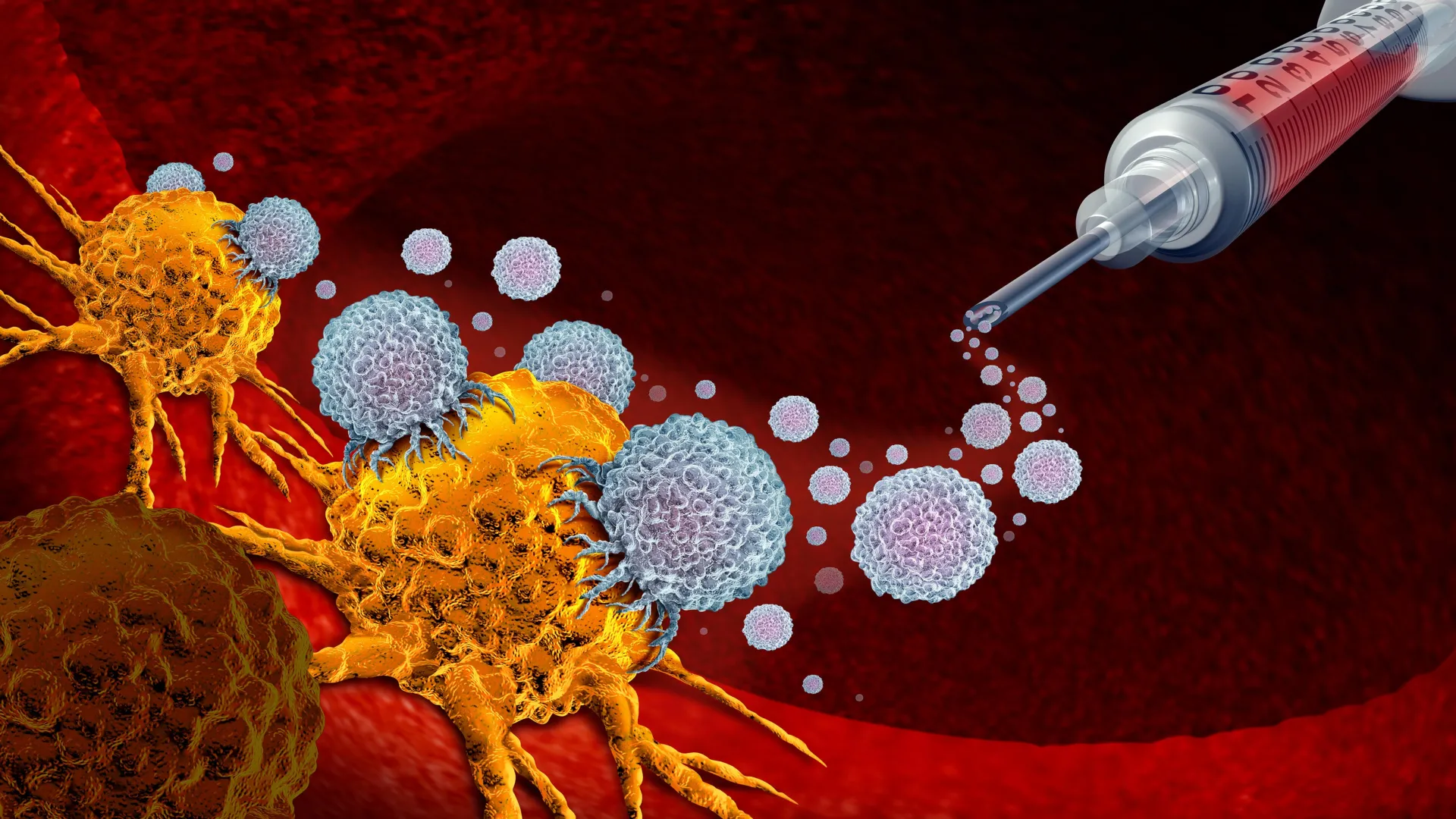
A clinical trial involving a cancer vaccine conducted over two decades ago has yielded remarkable results: every participant is still alive today. This outcome is especially significant given the challenges faced by individuals with metastatic breast cancer. Researchers at Duke Health have reinvigorated interest in this vaccine, revealing that the immune systems of the trial participants have retained long-lasting memory cells capable of recognizing cancer.
The study, led by Herbert Kim Lyerly, M.D., the George Barth Geller Distinguished Professor of Immunology at Duke University School of Medicine, highlights the role of a specific immune marker known as CD27. This marker is crucial for the immune system’s ability to remember and respond to past threats. According to the findings published in Science Immunology, the presence of CD27 could be pivotal in enhancing the effectiveness of cancer vaccines.
“We were stunned to see such durable immune responses so many years later,” said Zachary Hartman, Ph.D., the senior author of the study and an associate professor in multiple departments at Duke. His team was motivated to explore whether boosting this CD27 response could lead to better outcomes in cancer treatment.
Innovative Lab Experiments Show Promising Results
To investigate this possibility, researchers conducted experiments using mice. They combined a vaccine targeting the HER2 protein, commonly found in certain breast cancers, with an antibody designed to activate CD27. The results were striking: nearly 40% of the mice receiving this combined treatment saw their tumors disappear completely, compared to just 6% of those treated with the vaccine alone.
Investigation into the mechanics of this success revealed that the CD27 antibody significantly enhanced the activity of CD4+ T cells, a type of immune cell often referred to as “helper” cells. Traditionally, most cancer research focuses on CD8+ T cells, known for their direct attack on tumors. However, Hartman’s research indicates that CD4+ T cells may be just as vital in driving lasting immune memory and supporting the overall immune response.
“When researchers added another antibody that further supports CD8+ T cells, tumor rejection rates in mice climbed to nearly 90%,” Hartman noted. This finding challenges previous assumptions about the roles of different immune cells in fighting cancer.
Implications for Future Cancer Vaccines
The research team discovered another significant aspect: the CD27 antibody only needs to be administered once, alongside the vaccine, to achieve long-lasting effects. This simplicity could facilitate its integration with existing cancer therapies, including immune checkpoint inhibitors and antibody-drug conjugates already utilized in patients.
Hartman expressed optimism over these findings, stating, “We’ve known for a long time that vaccines can work against cancer, but they haven’t lived up to the hype. This could be a missing piece of the puzzle.” The research received funding from the National Institutes of Health and the Department of Defense, underscoring the potential significance of these findings in the broader field of cancer treatment.
The implications of this study could be profound, potentially paving the way for more effective cancer vaccines and improving survival rates for patients with challenging forms of the disease. The ongoing exploration of immune responses in cancer treatment highlights the promise of innovative therapies in the fight against cancer.