
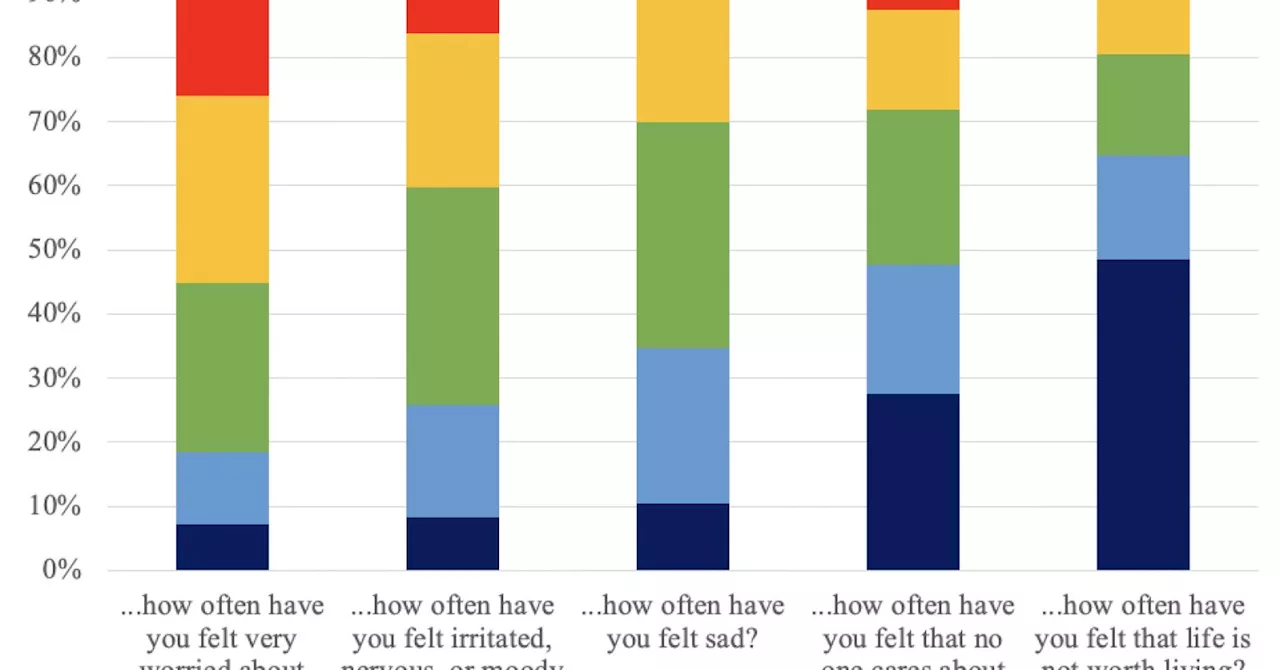
A significant study conducted in Brazil highlights the concerning connection between peer victimization in schools and increased reports of depressive symptoms among adolescents. The research, organized by the Ministry of Health, analyzed data from over 100,000 Brazilian youth, revealing that experiences of bullying correlate strongly with mental health issues.
The research involved a large-scale assessment of approximately 165,000 adolescents from various regions of Brazil, aiming to understand the impact of victimization on mental health. While a majority of participants reported minimal depressive symptoms—often indicating they felt “sad” or “moody” only “never,” “rarely,” or “sometimes”—the study also uncovered troubling data about those who do face victimization.
Participants were asked how frequently they experienced bullying, specifically incidents that made them feel “hurt, annoyed, offended, or humiliated.” Despite most students reporting no victimization, the researchers expressed concern for the 13 to 40 percent of youths who did.
Understanding the Impact of Victimization
The study found that peer victimization accounted for an additional 34.41 percent of the differences in depressive symptoms among students. This means that among those who reported feelings of depression, a significant portion could attribute their mental health struggles directly to experiences of being bullied.
These findings align with previous research indicating that victimization can have lasting negative effects on mental health. The study stands out for its scale and representation, providing insights into the experiences of adolescents in a country characterized as part of the “majority world.”
The implications of this research are profound. It emphasizes the critical role of school environments in shaping adolescent mental health. While many students report positive experiences, those attending schools with higher instances of bullying are more likely to experience depression.
The Role of Positive Interventions
The researchers advocate for ongoing efforts by educators and school administrators to create supportive and safe environments. Positive peer relationships and a healthy school climate are essential in mitigating the adverse effects of victimization.
According to the study’s lead researcher, Josafa da Cunha, a Professor of Educational Psychology at the Federal University of Paraná, the goal is to examine how positive school experiences can serve as a buffer against the psychological impacts of bullying. He notes that strong teacher-student relationships and supportive classroom settings can significantly help students cope with the challenges of peer victimization.
Future studies are planned to further explore how various factors within the school environment can protect young people from the depressive consequences of being bullied. The overarching message from this research is clear: while the majority of adolescents may not experience significant mental health issues, those who do face bullying are at a heightened risk of developing depression.
In conclusion, the findings underscore the need for comprehensive strategies to enhance school safety and promote positive interactions among students. Every young person deserves a nurturing environment to learn and grow, and understanding the dynamics of peer relationships is vital in achieving that goal.