
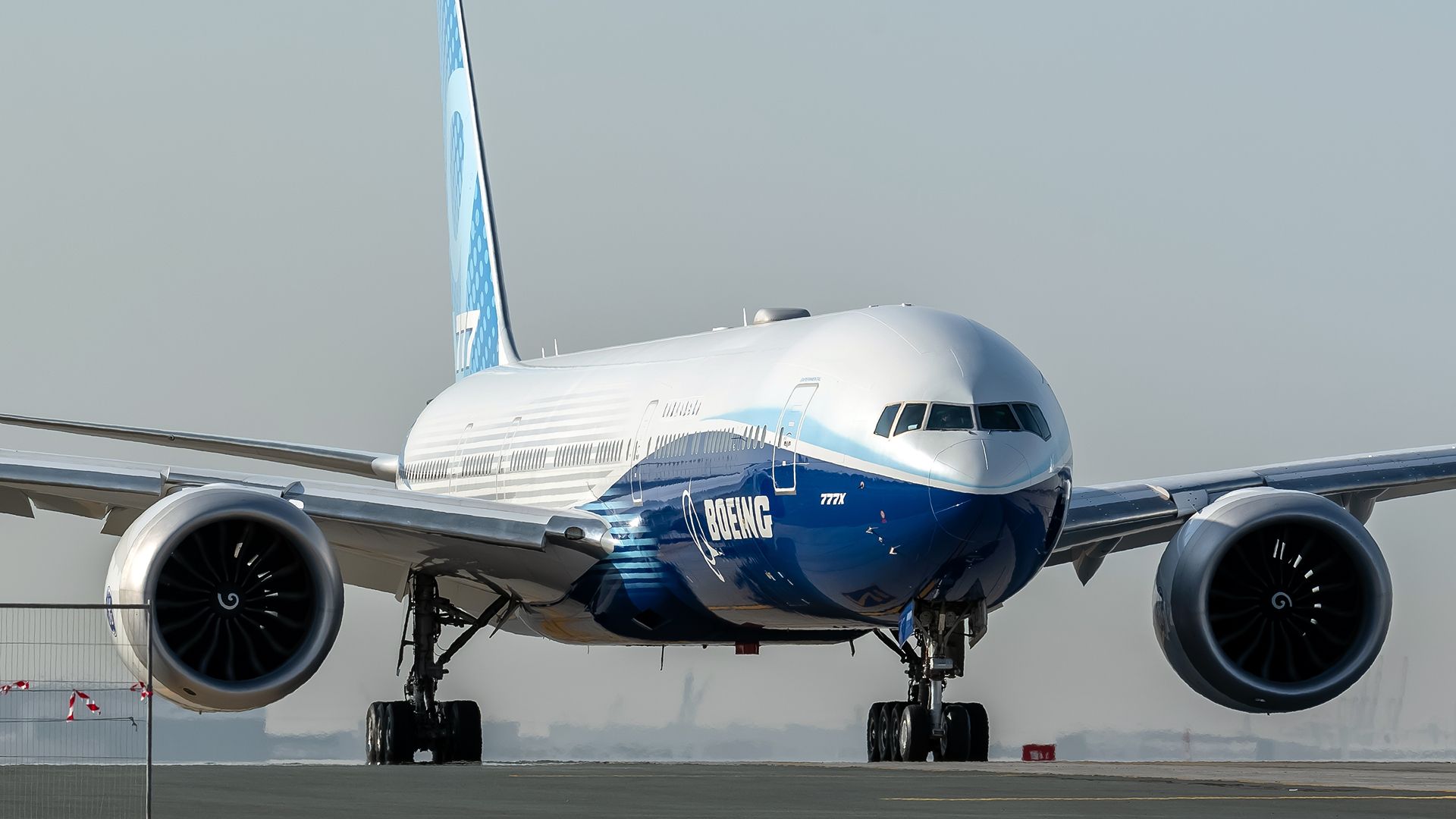
Boeing is actively seeking a waiver from the Federal Aviation Administration (FAA) to allow the sale of an additional 35 Boeing 777 Freighters (777F), as delays in the certification and service entry of the new Boeing 777-8F continue to push back timelines. This request comes as the company grapples with the implications of new emissions standards set to take effect in 2028. Boeing has argued that without this exemption, a significant gap in the supply of widebody freighters could emerge.
In a petition submitted to the FAA on December 19, Boeing requested relief from emissions regulations that would otherwise prevent the sale of these aircraft after December 31, 2027. The company maintains that the current Boeing 777F exceeds the upcoming fuel-efficiency limits, while the 777-8F is compliant but will not be available in time to fill the market need. Boeing aims to secure this waiver by May 1, 2024, to maintain continuity in global cargo services until the 777-8F enters commercial service, which is projected to be about two years after the first delivery of the Boeing 777-9, currently expected in 2027.
Boeing emphasizes that the additional 777Fs are crucial for sustaining high-value air exports, particularly in light of a global shortage of widebody freighters. This situation places regulators in a challenging position, as the intent of the emissions rules is to promote the use of newer, cleaner aircraft. Granting this waiver could potentially prolong the operational life of older, less efficient freighters, which contradicts the objective of driving the industry toward greener solutions.
Boeing’s competitive landscape is further complicated by Airbus’s advancements with the A350F, expected to enter service in the latter half of 2027. The company has noted that the General Electric GE90-powered 777F remains the most fuel-efficient high-capacity freighter currently available. Analysts indicate that a significant gap exists in the heavy-freighter pipeline, with some estimates suggesting the 777-8F may not be operational until as late as 2029, pushing some customer expectations to 2030.
This uncertainty is particularly pressing as operators seek to phase out older jets amid rising demand for reliable cargo services. The urgency has been amplified by recent events, including the November 4 crash of a UPS Airlines MD-11F in Louisville, which led to further groundings and highlighted the fragile state of the cargo market. Boeing has positioned the 777F as a stopgap solution, warning that without new production, airlines may continue to rely on aging freighters, undermining the efficiency gains that the emissions standards aim to achieve.
Boeing argues that each exported 777F represents approximately $440 million in transaction value, underscoring the economic significance of this aircraft in the global supply chain. The proposed waiver reflects both a strategic business maneuver and an urgent response to the complexities of the current aviation landscape.