
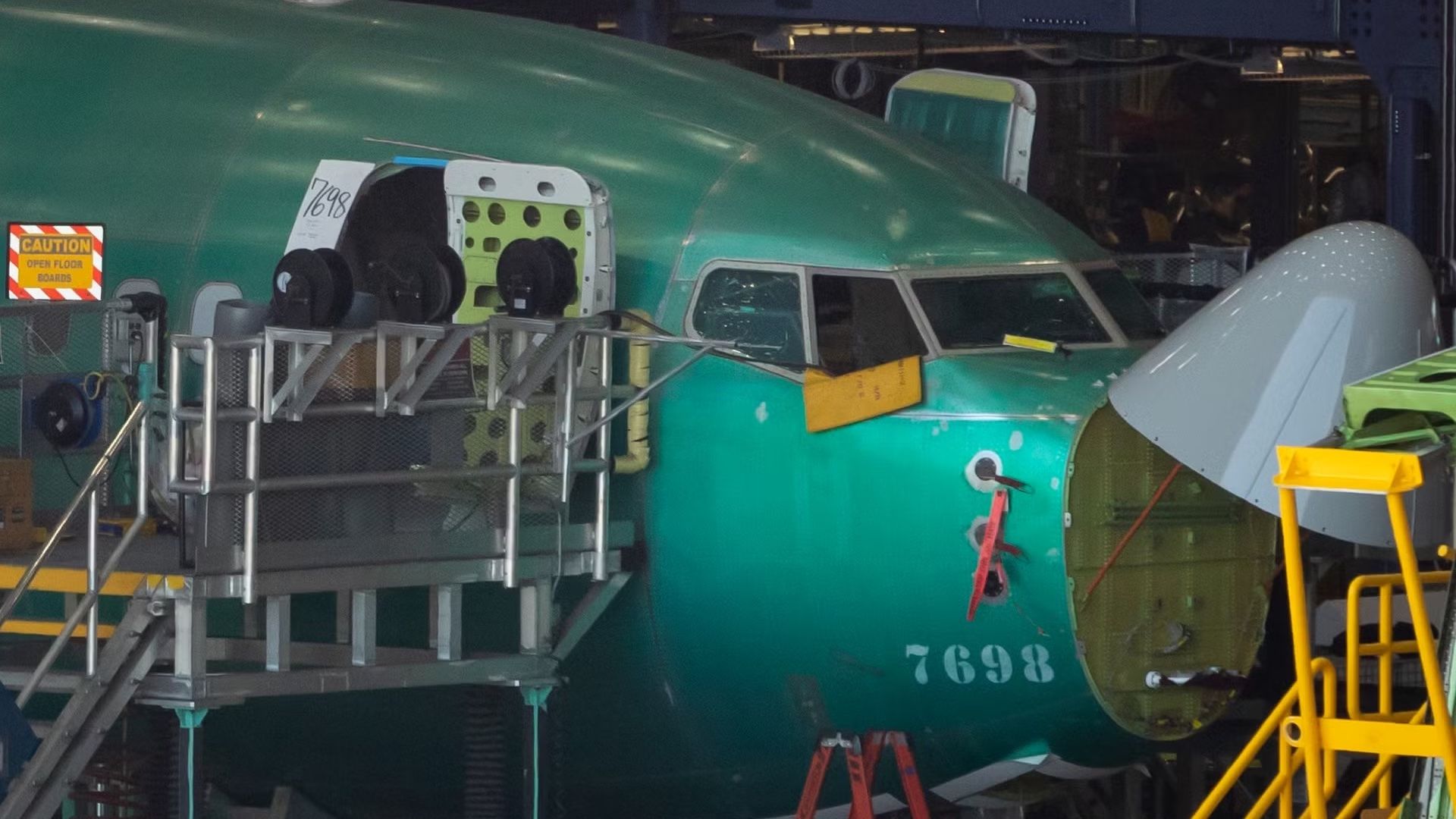
The Federal Trade Commission (FTC) has approved Boeing’s acquisition of Spirit AeroSystems, contingent on the divestiture of Spirit operations that supply Airbus. This decision, announced on December 3, 2025, aims to maintain competitive balance in the aerospace sector by effectively boosting Boeing’s primary rival, Airbus.
In a proposed consent order, Boeing will be required to transfer significant Spirit businesses that serve Airbus, including essential assets and personnel. Additionally, the order mandates the divestiture of Spirit’s Subang, Malaysia, aerostructures facility to Composites Technology Research Malaysia (CTRM). This move is intended to ensure that Spirit remains a neutral supplier, continuing to serve competing U.S. defense contractors on equitable terms.
Conditions for Boeing’s Acquisition
Boeing’s $8.3 billion deal with Spirit is set to be executed under strict oversight. The FTC’s requirements include several pivotal steps: Boeing must divest Spirit’s Airbus-related operations to Airbus directly, ensuring a clean transfer of capabilities. The company also must provide transitional services to Airbus and CTRM, facilitating uninterrupted production while an FTC-appointed monitor oversees compliance.
The order also encompasses critical safeguards specific to the defense industry. Spirit is obligated to continue supplying competing military aircraft contractors without favoring Boeing. Furthermore, the agreement prohibits Boeing from accessing sensitive information from Spirit’s other clients, effectively treating Spirit as a neutral supplier within its corporate structure.
The FTC emphasized the importance of this action, stating, “American commercial travelers and our military deserve to fly on dependable aircraft, manufactured with reliable components.” This initiative aims to protect aircraft manufacturing competition and ensure that high-quality aircraft remain accessible to consumers.
Impact on Boeing and the Aerospace Industry
Boeing’s inability to retain Spirit’s Airbus-facing businesses marks a significant concession. The FTC has raised concerns that Boeing’s ownership of these operations could incentivize the company to raise costs or limit Airbus’s access to vital aerostructures. Thus, the consent order effectively alters the competitive landscape, allowing Airbus to gain direct control over its supply chain.
This divestiture aligns with a pre-negotiated plan between Airbus and Spirit, announced earlier in 2025. Under this arrangement, assets related to Airbus’s commercial programs will be handed over to Boeing, allowing the company to stabilize its supply chain while complying with regulatory demands.
For Boeing, these conditions may limit the potential benefits of acquiring Spirit. Nonetheless, they reduce regulatory friction and help ensure that Airbus’s production capabilities remain insulated from Boeing’s internal priorities. The approval reflects an understanding of the tight capacity in the global aerostructures market, highlighting the ongoing need for robust competition.
The FTC’s measures aim to prevent any bias in favor of Boeing within the defense industry. By requiring Spirit to uphold existing contracts with other defense contractors, the commission seeks to ensure fairness in future military procurement efforts, which often operate on a winner-take-most basis.
Ultimately, while the restrictions may limit Boeing’s strategic options, they significantly enhance the likelihood of regulatory approval for the acquisition. The merger is positioned as a pathway to improved quality and manufacturing discipline across the aerospace sector, benefiting both commercial and military aviation.