
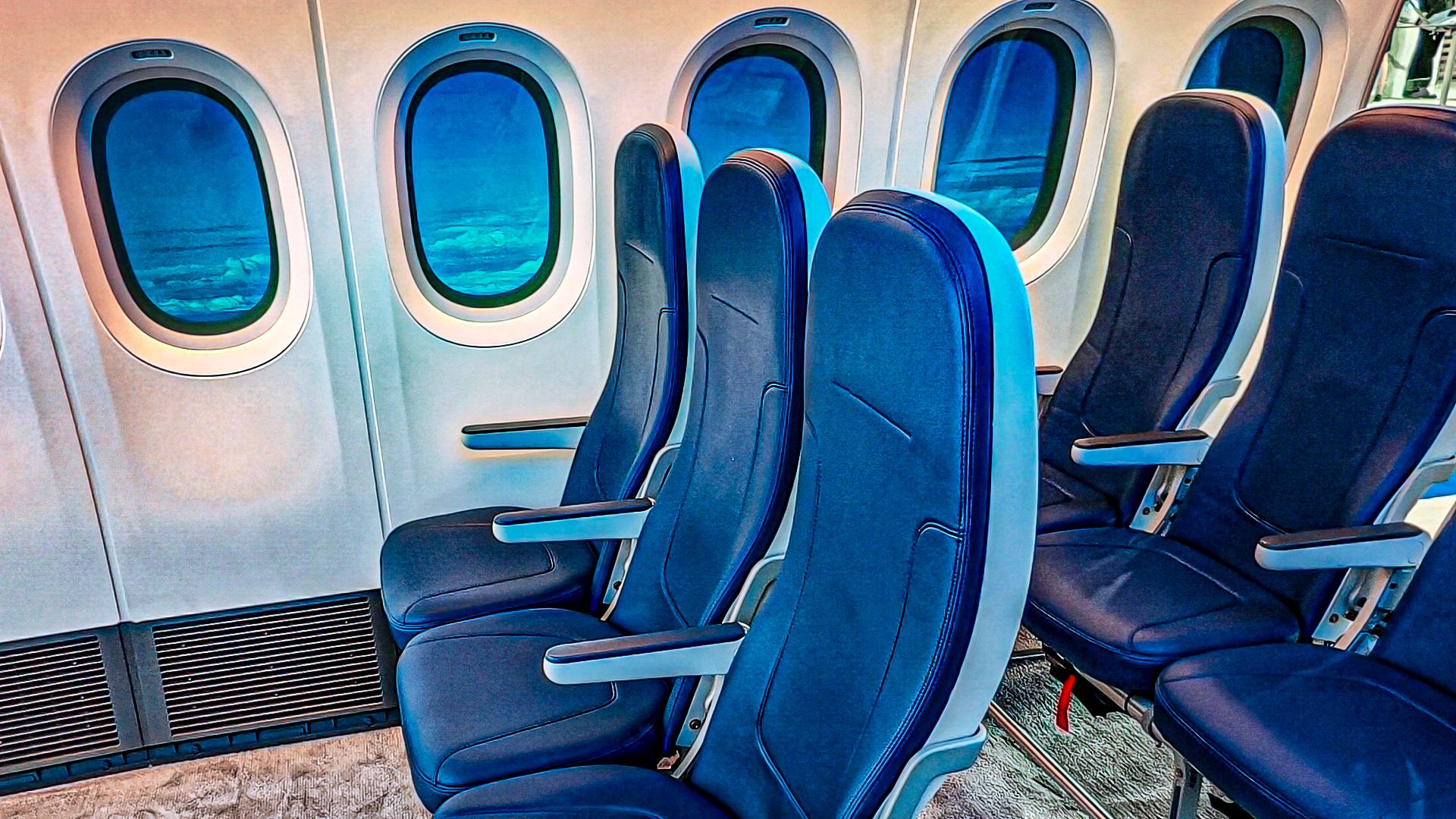
Boeing has introduced electronically dimmable windows on its new 777X, enhancing passenger comfort and operational efficiency. This innovative feature, similar to that found on the 787 Dreamliner, allows travelers to control light levels at the touch of a button, aiming to create a more premium flying experience. The decision to incorporate this technology reflects the evolving demands of airlines and their customers for modern long-haul travel.
The dimmable windows, supplied by Gentex, are designed to transition from clear to dark, blocking over 99.999% of visible light. This capability addresses a common concern among passengers about glare while maintaining outside visibility. The technology provides a more sophisticated alternative to traditional pull-down shades, aligning with the trend toward enhanced cabin environments that prioritize passenger well-being.
Transforming Long-Haul Travel
Boeing’s focus on passenger comfort and efficiency has shaped the design philosophy of the 787 Dreamliner, which serves as a foundation for the 777X. The 787 was built around two main priorities: operational efficiency for airlines and an improved travel experience for passengers. This aircraft features larger windows, quieter cabins, and better humidity control, which collectively contribute to a more pleasant long-haul journey.
The integration of dimmable windows on the 777X extends these principles. By minimizing mechanical parts, Boeing not only simplifies cabin management for crews but also reduces potential maintenance issues. Centralized control of the dimming feature allows flight attendants to adjust cabin lighting consistently, enhancing the overall passenger experience during flights that can span multiple time zones.
Boeing has also reimagined the interior architecture of the 777X. The cabin will be approximately 16 inches (40.6 centimeters) wider than those of competing aircraft, with economy seat widths reaching up to 18 inches (45.7 centimeters). This redesign aims to accommodate varying airline preferences, creating a flexible space that can be tailored by cabin class with distinct lighting and storage options.
Focus on Passenger Experience
The decision to implement dimmable windows on the 777X signifies a commitment to enhancing passenger experience as a core aspect of Boeing’s marketing strategy. By offering a modern, customizable cabin environment, airlines can attract travelers seeking a more comfortable flying experience. The 777X is positioned as a flagship aircraft for the next decade, expected to play a crucial role in the competitive landscape of long-haul travel.
Despite the innovation, feedback on dimmable windows remains mixed. While many passengers appreciate the technology’s aesthetic and functional advantages, concerns linger regarding the effectiveness of the tinting feature. Some travelers have reported that even at maximum tint, the windows do not achieve the darkness of traditional shades, allowing sunlight to penetrate the cabin. Additionally, operational issues have arisen where flight crews lock the tinting feature, limiting passenger control and leading to frustration.
Boeing’s collaboration with Gentex aims to address these shortcomings. The new generation of dimmable windows is engineered to darken more quickly and effectively, ensuring that passengers can enjoy a comfortable environment during rest periods.
The 777X is set to redefine the standards for long-haul flight, merging advanced technology with a focus on passenger comfort. As Boeing navigates regulatory certification delays, anticipation builds for the aircraft’s entry into service, promising a modern evolution in the airline industry’s flagship widebody jets.
In conclusion, Boeing’s introduction of dimmable windows on the 777X encapsulates a broader trend toward enhanced passenger experiences in air travel. As airlines compete for customer loyalty, the emphasis on comfort and innovative design is likely to shape the future of long-haul flights in the coming years.