
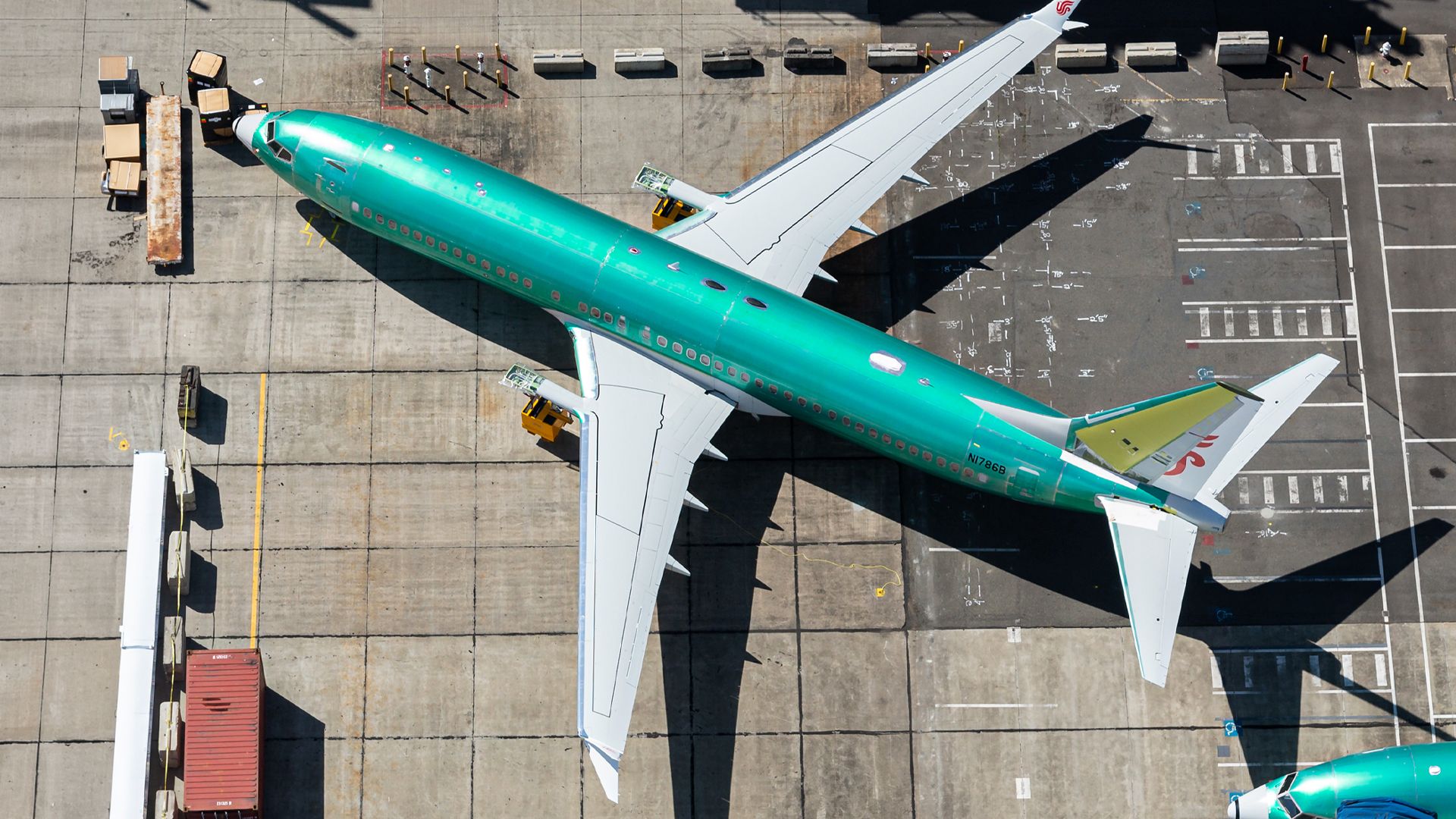
Orders for the Boeing 737 MAX are experiencing a significant resurgence as production issues that plagued the aircraft in previous years are being addressed. After a challenging period marked by a 20-month grounding and manufacturing setbacks, Boeing is ramping up its 737 MAX production and attracting renewed interest from major airlines.
The narrowbody aircraft market has long been dominated by Airbus, particularly with the success of the A321 family. In recent years, Boeing struggled to compete, further hampered by the grounding of the 737 MAX following two fatal crashes. However, as of March 2026, Boeing is producing 42 737 MAX aircraft per month, with plans to increase this number to 47, pending approval from the Federal Aviation Administration (FAA).
Production Improvements and Market Recovery
Boeing’s challenges have included a notable incident in January 2024, when a door plug failure grounded all 737 MAX 9 aircraft in service. This incident resulted in the FAA imposing a production cap, limiting Boeing’s output and increasing wait times for deliveries. The company has since made considerable progress in improving its production processes and is actively working to acquire Spirit AeroSystems to bring more components in-house.
The establishment of a fourth final assembly line in Everett, Washington, is expected to enhance production capabilities further. This new line will specifically focus on the 737 MAX 10 variant, which aims to provide airlines with a competitive alternative to the Airbus A321neo.
The 737 MAX 8 has emerged as a particularly strong performer, with over 4,800 orders to date. This places it on the verge of surpassing the 737-800, which has received 4,991 orders. The 737 MAX 8’s efficiency, slightly larger size, and range make it an attractive option for airlines operating both domestic and shorter transatlantic routes.
Air Canada, which initially ordered the 737 MAX in 2013, has successfully integrated the aircraft into its fleet, operating 50 737 MAX 8s. Other airlines, such as Southwest Airlines, American Airlines, and United Airlines, have also made significant commitments to the 737 MAX, indicating a shift in market dynamics.
Competitive Landscape and Future Prospects
The competitive landscape is evolving, with Boeing making inroads against Airbus. The 737 MAX 10 is poised to be a key player in this shift, as it aims to deliver lower per-seat costs compared to the A321neo. With a range of 3,100 nautical miles (5,700 kilometers), the 737 MAX 10 is designed for short to medium-haul operations, making it an attractive option for airlines looking to optimize their fleets.
Recent orders from American Airlines and Delta Air Lines signal a strategic move away from reliance solely on the A321neo. American Airlines has ordered 115 737 MAX 10s, while Delta has placed an order for 100. This shift underscores Boeing’s confidence in the 737 MAX 10’s operational economics.
Despite the challenges faced by both Boeing and Airbus, the strategy of dual sourcing has gained traction among major airlines. By operating fleets of both Boeing and Airbus aircraft, airlines can mitigate disruptions caused by production delays or technical issues, ensuring smoother operations overall.
As the demand for narrowbody aircraft continues to rise, Boeing’s ability to fulfill orders promptly and efficiently will be crucial. With Airbus facing high demand and limited availability for new A320neo family aircraft until the 2030s, the 737 MAX presents a compelling alternative, as it is generally available sooner and at a more competitive price point.
In conclusion, the resurgence of orders for the Boeing 737 MAX marks a significant turning point for the aircraft manufacturer. As production challenges are resolved and new strategies are implemented, Boeing is positioning itself to reclaim market share and meet the evolving needs of airlines worldwide.