
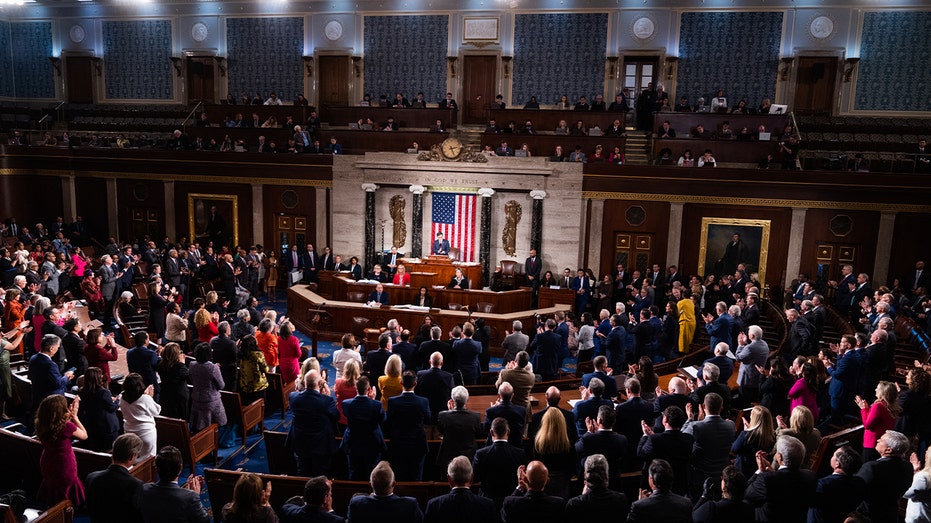
A recent analysis of census data highlights significant shifts in congressional representation expected after the 2030 elections. Democratic strongholds, particularly New York and California, are projected to lose a combined total of six House seats to Republican-leaning states like Texas and Florida. The study, conducted by Dr. Jonathan Cervas from Carnegie Mellon University and disseminated by the Redistricting Network, indicates that if these estimates hold true, the redistribution of seats could pose challenges for the Democratic Party.
The analysis reveals that New York’s congressional delegation may drop to 24 seats, a significant decline from its peak of 45 seats in the 1940s. California, currently the state with the largest congressional representation, could see its delegation reduced to 48 seats. In contrast, Texas is expected to gain four seats, increasing from 38 to 42, while Florida may add four seats, rising from 28 to 32. These changes reflect ongoing demographic trends, as Texas has gained approximately 2.5 million residents since 2020, while Florida’s population has increased by around 2 million.
Implications for Electoral Representation
The potential loss of seats for states such as Illinois, Rhode Island, and Oregon further emphasizes the shift in power dynamics. Each of these states is forecasted to lose one or two congressional representatives. Additionally, smaller gains are expected in red states like Utah and Idaho, as they continue to attract residents.
Jeff Wice, Director of the New York Elections, Census, and Redistricting Institute at New York Law School, commented on the ramifications of these projections. He stated, “This is not good news for New York or California,” highlighting concerns that the loss of congressional representation could complicate the Democratic Party’s strategies moving forward, especially in the context of the upcoming 2026 midterm elections.
The analysis underscores broader implications for the Electoral College, potentially making it more difficult for Democrats to secure victories in future presidential elections. If the 2030 apportionment predictions materialize, the shifting balance of power could reshape political strategies across the country.
Future Challenges for Blue States
Wice also noted that further seat losses could occur if measures allowing for citizenship questions in the census are implemented. While the U.S. Constitution mandates the counting of all residents, inquiries regarding legal status could dissuade undocumented immigrants from participating, thereby affecting population counts and, consequently, representation.
As red states experience population surges, blue states grapple with declines, signaling a potential realignment in American political power. The upcoming decade will be crucial as these trends play out, shaping the legislative landscape in ways that could have lasting effects on governance and policy-making.
In summary, the findings from Dr. Cervas’s analysis present a stark picture for blue states facing potential congressional seat losses while red states capitalize on population growth. As the nation approaches critical elections, the implications of these demographic shifts will undoubtedly be a focal point in political discussions and strategies.