
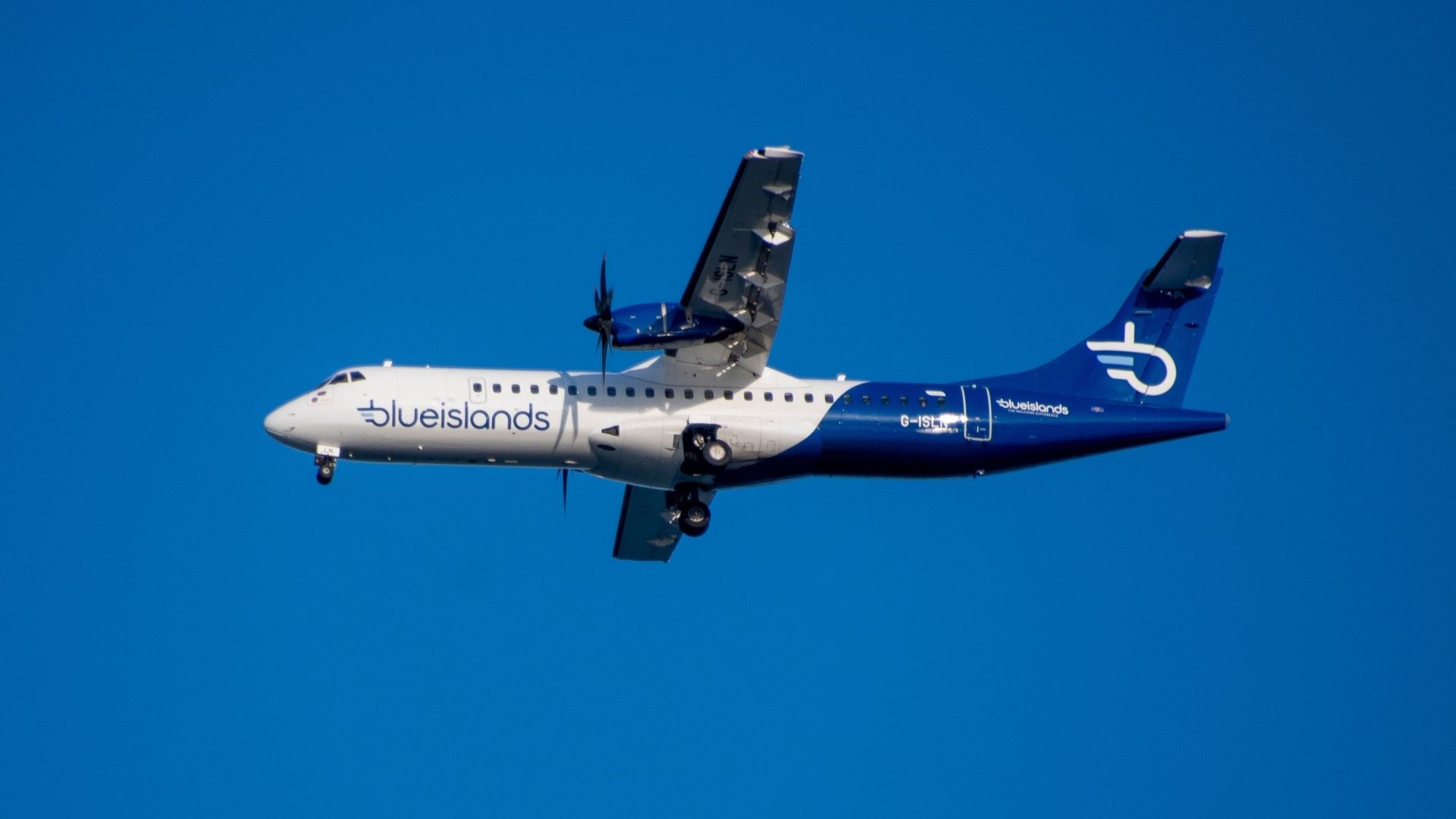
Blue Islands, a regional airline serving the Channel Islands, has suspended all operations effective immediately due to a lack of government support. The decision, announced on November 14, 2025, follows the Government of Jersey’s withdrawal of financial assistance crucial for sustaining low-demand routes. This suspension affects thousands of passengers and eliminates a vital transportation link between Jersey and Guernsey and cities such as Bristol, Exeter, East Midlands, and Southampton.
The airline, which has operated for approximately 26 years, has grounded its fleet of ATR 72 aircraft and canceled all scheduled flights. Passengers are advised not to travel to the airport, and those with existing bookings can seek refunds through credit card providers or travel agents. Blue Islands has directed customers to pursue chargebacks or other consumer protections due to the suspension of trading.
Impact on the Regional Airline Sector
The closure of Blue Islands significantly disrupts the UK regional airline market, removing around 9,200 weekly seats and approximately 136 flights per month from the UK-Channel Islands route. This loss is particularly severe in a market characterized by thin margins and limited options for travelers. Routes like Jersey to Exeter and Guernsey to Southampton are challenging for larger airlines to serve profitably, making the situation even more critical for local residents and businesses who rely on these connections.
The lack of available flights increases dependence on remaining carriers such as Aurigny, easyJet, Loganair, and British Airways. It also raises the potential for fare hikes as demand outstrips supply. While there might be opportunities for new market entrants, establishing new services will likely take significant time and investment.
Blue Islands’ management indicated that dialogues with the Government of Jersey had concluded without any additional funding being offered. This decision left the airline with no viable options to continue operations while it considers restructuring or a potential sale to another operator, according to a report by Aviation Week. The airline’s CEO, Rob Veron, expressed disappointment over the situation, emphasizing the challenges faced by regional carriers in the UK.
What Passengers Need to Know
Passengers who had planned to fly with Blue Islands should refrain from heading to the airport unless they have secured alternative travel arrangements. With operations completely halted, no airline staff will be available to assist travelers at check-in or customer service desks. Customers are encouraged to retain receipts for any expenses incurred due to the disruption, such as replacement flights or accommodation, as they may be eligible for reimbursements through their banks or travel insurance policies that cover scheduled airline failure.
The Civil Aviation Authority (CAA) is currently providing guidance for affected travelers and advises consulting official resources for reliable information. Passengers with urgent travel needs between the Channel Islands and the UK mainland should act quickly to book seats on the remaining airlines, as capacity is expected to tighten further in the wake of Blue Islands’ shutdown.
This recent closure, following the earlier collapse of Eastern Airways and the exit of Flybe from the market, underscores the vulnerabilities within the UK’s regional airline sector. The high fixed costs, fluctuating demand, and limited government support have created a precarious environment for these airlines. The ongoing debate about the need for more robust, long-term public service obligation funding for peripheral air services is likely to intensify in response to these developments.