
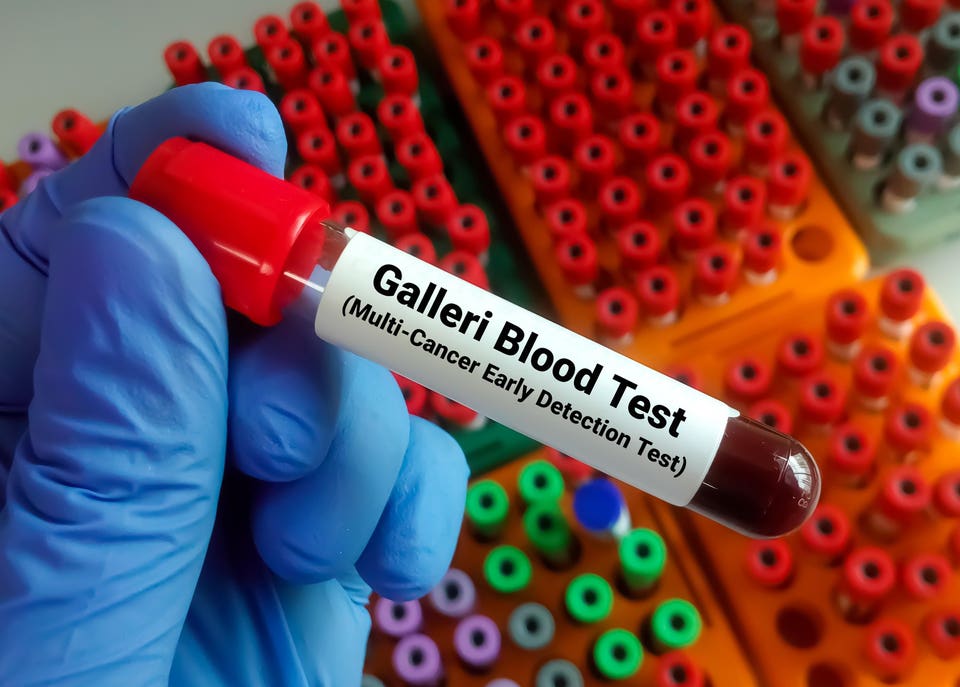
This year’s Super Bowl will feature a commercial for the Galleri cancer test, a blood analysis that claims to detect hidden cancers before symptoms arise. Retailing at $949, Galleri is marketed by companies such as Hims & Hers and aims to identify methylation patterns in cell-free DNA from blood samples. The test is designed for individuals at higher risk of developing cancer, particularly those aged 50 and older or with risk factors such as smoking or a family history of cancer.
Receiving a Galleri test is straightforward. After purchasing the test online, individuals visit a designated testing center for a blood draw, with results available in approximately two weeks. The outcome indicates either “cancer signal detected” or “no cancer signal detected.” Notably, in real-world applications, about 1 in 100 individuals will receive a positive result. For those who test positive, the test provides a likely tissue of origin, which helps guide further investigations.
Evaluating the Efficacy of Galleri
Despite its marketing appeal, scrutiny reveals significant limitations in the Galleri test. The primary concern centers around its performance in detecting early-stage cancers, which are critical for effective treatment. According to a validation study, Galleri’s sensitivity for Stage I cancers is only 16.8%. This contrasts sharply with its sensitivity of over 90% for Stage IV cancers, which are more advanced and harder to treat. Such statistics raise questions about the test’s overall utility in preventing cancer-related mortality.
Furthermore, while Galleri boasts a specificity of approximately 99%, this figure can be misleading. In a large-scale study known as the PATHFINDER study, about 62% of positive results were false positives. This means the majority of individuals who received a “cancer signal detected” result did not actually have cancer following further testing. The psychological and financial toll of navigating a “diagnostic odyssey” can be burdensome, as patients undergo multiple invasive tests over an average span of six months.
Additionally, a negative result from Galleri may provide a false sense of security. In the PATHFINDER study, 71% of the cancers diagnosed were identified through standard screenings or symptomatic presentations rather than through Galleri. Patients may mistakenly believe they are free from cancer risk, potentially delaying necessary screenings or ignoring early warning signs.
Current Medical Perspectives and Future Directions
Medical professionals emphasize the importance of rigorous validation before fully endorsing tests like Galleri. No major professional medical society currently supports multi-cancer early detection tests for general population screening, highlighting the need for ongoing trials, including the NHS-Galleri study, which will involve 150,000 participants to ascertain the test’s impact on cancer mortality.
As research progresses, the potential for Galleri to detect cancers lacking standard screening protocols—such as gastric, pancreatic, or ovarian cancers—remains intriguing. However, due to its performance issues, there is still uncertainty about its ability to improve early-stage diagnosis, which is vital for effective treatment.
Another challenge is what has been termed “the diagnostic black hole.” When Galleri indicates a cancer signal but follow-up imaging fails to detect any malignancy, patients may face prolonged uncertainty without clear guidelines for further testing. This situation can lead to unnecessary stress and financial burdens, particularly when the test identifies indolent cancers that would not have posed a significant risk.
The economic implications of Galleri are also a concern. Priced at $949 out-of-pocket, the test may primarily benefit individuals with disposable income, potentially widening healthcare disparities. Proven screenings often remain underutilized in underserved communities where access to care is limited.
While some patients may opt for the Galleri test, particularly those eager to understand their health status, it is crucial that they engage in comprehensive pre-test discussions with healthcare providers. This should include information on the likelihood of false positives and negatives, as well as a clear plan for managing the psychological and financial implications of possible follow-up tests.
The ambition of intercepting multiple cancers through a simple blood test is undoubtedly compelling. Nonetheless, current scientific understanding indicates that the Galleri test falls short of delivering a reliable solution. As the field evolves, more accurate blood-based tests for early cancer detection may emerge, but until then, individuals should prioritize established cancer prevention strategies. These include staying current with recommended screenings, avoiding tobacco use, maintaining a healthy weight, moderating alcohol consumption, and addressing persistent symptoms promptly.