
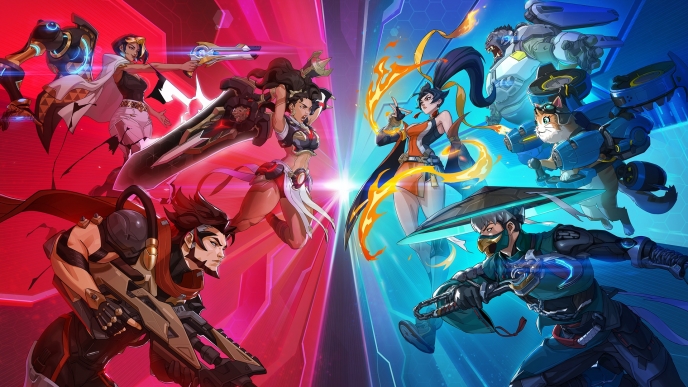
The long-anticipated transformation of Overwatch 2 has culminated in a significant rebranding that returns the game to its original title. Announced during the Overwatch 2026 Spotlight presentation, Blizzard Entertainment revealed its intention to revitalize the title, shedding the baggage associated with the previous iteration. This change comes as the game’s community expresses renewed hope for its future.
Originally unveiled at BlizzCon 2019, Overwatch 2 promised an exciting evolution of the beloved franchise, complete with new heroes, maps, and a narrative-driven experience. However, the game fell short of expectations, leading to disappointment among players. Microtransactions, a controversial shift to 5v5 matches, and a lack of engaging story content contributed to a perception that Overwatch 2 had lost its way.
In a bid to move forward, Blizzard has opted to drop the “2” from the title, signaling a fresh start. The negative associations with Overwatch 2 were substantial, and the company recognizes the need for a clean slate. As Blizzard embarks on this new chapter, the focus is shifting back to the core elements that originally captivated fans.
New Narrative Focus and Gameplay Innovations
The revitalized game strategy places a strong emphasis on narrative, with the Reign of Talon storyline set to unfold over multiple seasons. This ongoing narrative will influence character releases, map selections, and player rewards, aiming to rekindle the excitement that characterized the early days of Overwatch. Recent content, including a cinematic trailer featuring the character Vendetta confronting Doomfist, suggests a commitment to storytelling reminiscent of other successful Blizzard franchises, such as Hearthstone.
Gameplay enhancements are also in the works, addressing previous criticisms. Players can now engage with more defined roles within the game, as the differentiation of Tanks, Damage, and Support into sub-roles offers clearer gameplay dynamics. A refreshed user interface adds to the sense of a new beginning, while a feature allowing players to express appreciation for teammates through voice lines introduces a more positive atmosphere, enhancing the overall experience.
The recent updates breathe new life into a franchise that was perceived as stagnant. As Blizzard prepares for the launch of Season 1 next week, there is cautious optimism among the community. The changes outlined in the Spotlight presentation suggest that Blizzard is taking its commitment to player feedback seriously, aiming to foster a more engaging and enjoyable environment.
In conclusion, the return to the original Overwatch title, combined with a renewed narrative focus and gameplay innovations, marks a pivotal moment for Blizzard. The company is determined to regain the trust of its community and deliver a gaming experience that aligns with the expectations set during its initial reveal in 2019. Whether these changes will resonate with long-time fans remains to be seen, but the anticipation for the upcoming season is palpable.