
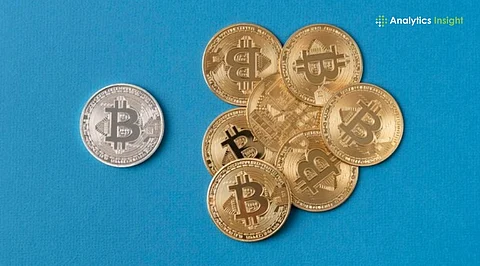
Bitcoin is currently trading around $68,600, showing signs of recovery from earlier dips this month, although it remains below January’s highs. The cryptocurrency market is cautiously optimistic, bolstered by recent ETF filings and increasing institutional interest, yet concerns about macroeconomic risks linger. In a recent analysis, Standard Chartered warned that Bitcoin could fall to $50,000 if these risks escalate.
The price of Bitcoin has stabilized in the mid to high $60,000 range after experiencing a sharp decline earlier in February. The cryptocurrency dropped below its recent highs but has since regained some of those losses. Buyers appear active in the market, indicating a cautious yet resilient sentiment among investors. In India, the price of Bitcoin is approximately Rs. 6.22 million, maintaining its position as a leading digital asset with a substantial global market capitalization.
Recent price movements have highlighted a consolidation phase, with Bitcoin’s 24-hour price change remaining within a low single-digit percentage range. Trading volumes have been steady, suggesting that traders are observing the market closely without making significant moves.
Market Dynamics and Resistance Levels
The early weeks of February brought notable volatility to the cryptocurrency market. After reaching record highs, Bitcoin experienced a drop to the low $60,000 range. The recovery toward $68,600 represents a partial comeback, but resistance levels remain a key focus for traders. Analysts have identified the $78,000 to $84,000 range as a significant barrier that had previously acted as a strong ceiling early in the year.
Technical indicators present a mixed picture. While short-term momentum appears slightly weak, longer-term averages still reflect robust performance from earlier in 2026. The wide trading band indicates potential for sharp price movements should new developments arise.
Institutional Interest and ETF Developments
Institutional interest continues to play a crucial role in shaping Bitcoin’s trajectory. Recent applications for exchange-traded funds (ETFs) have been filed, including proposals from a prominent social media company seeking approval for Bitcoin and Ethereum products. Such filings contribute to long-term optimism, as they provide traditional investors easier access to cryptocurrency markets.
Despite this positive momentum, the timeline for approval and regulatory decisions remains uncertain. Investors are exercising caution, aware that delays or rejections could rapidly alter market sentiment. Nevertheless, the ongoing push for new crypto products indicates that major financial players are committed to the space.
On-chain activity reveals intriguing trends, particularly among large holders of Bitcoin. Wallets containing between 100 and 10,000 BTC have been actively accumulating during price dips, while some smaller retail investors have sold during periods of volatility, leading to brief selling pressure. Exchange activity is also telling; an increase in Bitcoin moving onto exchanges may signal potential selling, while coins being withdrawn often suggest long-term holding by investors.
Overall market sentiment remains mixed but stable. The rebound to $68,600 highlights resilience, though caution persists due to macroeconomic uncertainties and analyst downgrades. Bitcoin continues to hold above significant support in the low $60,000 range, which traders view as a critical level.
Investor sentiment reflects a wide range of expectations. Some anticipate that the current price range may persist for weeks, while others predict a return to volatility, as the cryptocurrency markets are rarely quiet for long.
In conclusion, Bitcoin’s price is currently near $68,600, maintaining its position after earlier dips. Institutional ETF activity fosters positive anticipation for broader market adoption, while warnings from institutions like Standard Chartered serve as reminders of potential downside risks towards $50,000. The digital asset space appears balanced between buyers and sellers, with the next significant movement likely contingent on global economic signals, regulatory developments, and the positioning of large holders in the coming weeks.